
Key Highlights
- Historic Low Levels:The Danube River has reached unprecedented low water levels this April.
- Economic Impact:Local economies dependent on the river face significant challenges.
- Environmental Concerns:Wildlife and ecosystems are adapting to the changing conditions.
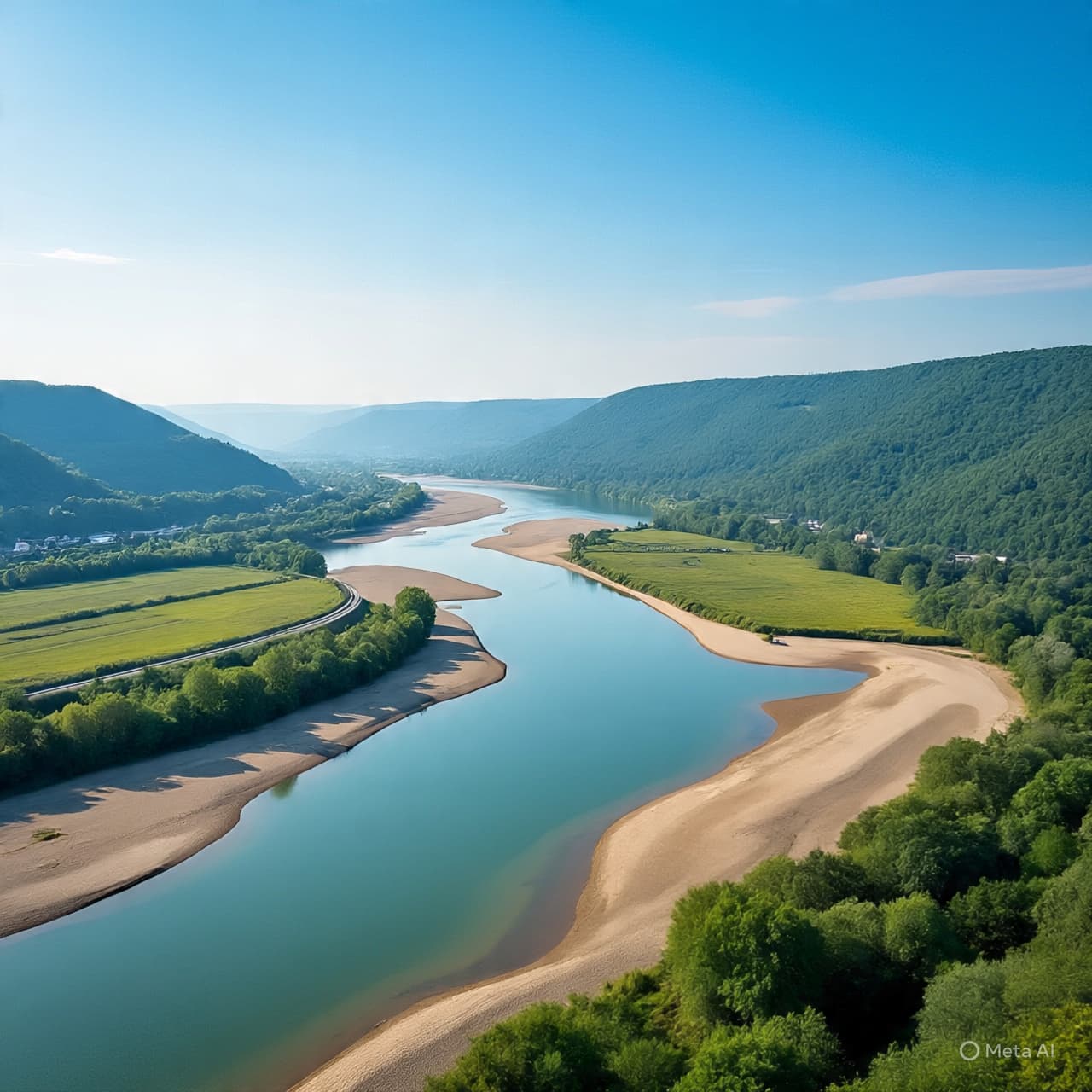
The Danube has always been a restless giant, a moving road of silver and silt that carries the history of Europe within its constant flow. In the quiet reaches of Serbia this April, however, the river seems to be drawing inward, pulling back from its banks to reveal a landscape of long-hidden stones and drying mud. The water levels have reached historic lows, a silent and visual testament to a season that has forgotten the rhythm of the rain. It is a moment of profound atmospheric stillness, where the grand artery of the continent feels suddenly fragile, its deep pulse slowed by the warming air.
To walk along the river now is to see a geography transformed, where the familiar landmarks of the shoreline stand exposed and awkward in the bright spring light. The barges and cargo ships, which usually move with a heavy, confident grace, now navigate with a cautious precision, their hulls riding high in the shallowing channel. There is a specific kind of tension in the air—a collective holding of breath as the region’s primary trade route faces the limitations of the natural world. The river is no longer just a backdrop; it is a protagonist struggling with its own strength.
The impact of the low water ripples through the ports and the local economies that rely on the Danube’s depth to carry the weight of industry. When the current slows and the bottom rises, the logistics of the modern world are forced to adapt to the ancient realities of the weather. It is a reminder that despite our technological mastery, we remain beholden to the elementary balance of evaporation and precipitation. In the cafes along the Belgrade waterfront, the conversation often turns toward the water, a shared concern for the blue line that defines the city’s soul.
As the sun sets over the exposed sandbars, creating long, golden shadows across the riverbed, the scene is one of stark and haunting beauty. The drying earth cracks in patterns that mimic the deltas of the world, a miniature map of the thirst that characterizes the current season. This is not merely a local inconvenience, but a chapter in a larger narrative of shifting climates and the changing character of the Balkan interior. The river tells the story of the land, and right now, that story is one of a profound and persistent dryness.
Archeologists and curious onlookers often find themselves drawn to the newly revealed stretches of the bank, searching for the debris of the past that the water has finally surrendered. From rusted anchors to the smooth, rounded glass of another century, the river reveals its secrets only when it is at its most vulnerable. There is a sense of discovery in the air, but it is tempered by the knowledge that this revelation comes at the cost of the river’s vitality. We are seeing parts of the Danube that were meant to remain hidden in the dark.
The environmental consequences of the low levels extend into the marshes and tributaries, where the wildlife must adjust to a shrinking habitat. The fish and the birds of the Danube delta are sensitive to the depth and temperature of their world, and their movements now reflect a search for the coolness of the deeper pools. The stillness of the water is a challenge to the resilience of every creature that calls it home.
Reflecting on the state of the river, one is struck by the idea that we often take the permanence of our natural resources for granted. We assume the Danube will always be there, a reliable and inexhaustible force of nature. Yet, the current low levels force a reconsideration of that assumption, urging a deeper respect for the fragility of our water systems. The river is an editorial written in the language of drought and current, a warning that the patterns of the past may no longer be the maps of the future.
As the region looks toward the clouds for the relief of a late spring storm, the Danube continues its slow, quiet passage toward the sea. The resilience of the river is legendary, having survived centuries of human and environmental change, and it will surely rise again when the rains return. For now, however, it remains in a state of quiet retreat, a shimmering ribbon of blue that reminds us of the power of the elements and the profound importance of the water that sustains us all.
Hydrologists in Serbia have reported that the Danube River has reached near-historic lows, prompting concerns about the ecological and economic ramifications of this phenomenon. As the region grapples with these changes, the need for sustainable water management practices becomes increasingly urgent.
Published by Banx Network. This article is part of the Banx decentralized media programme, powered by the BXE token on the XRP Ledger.



