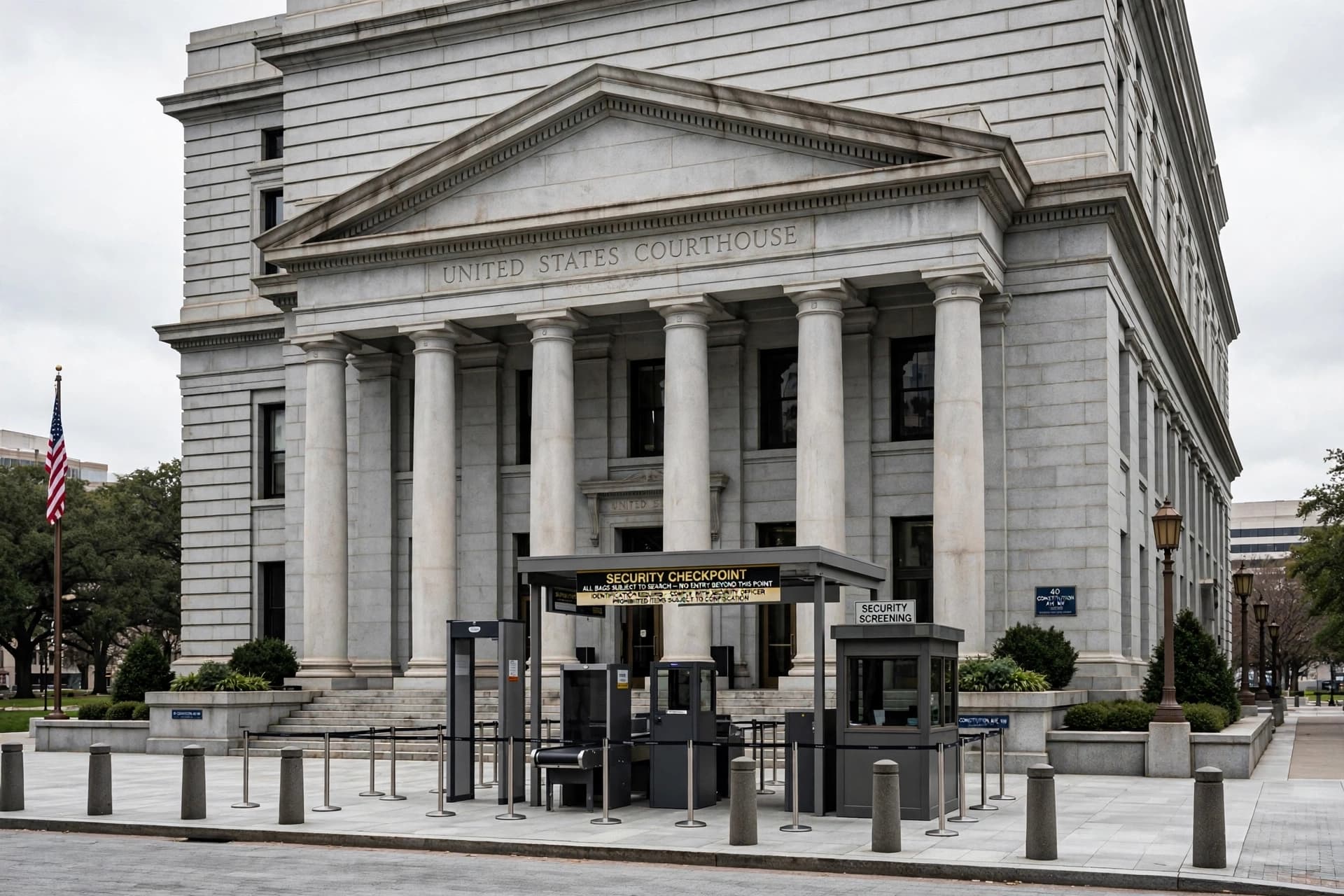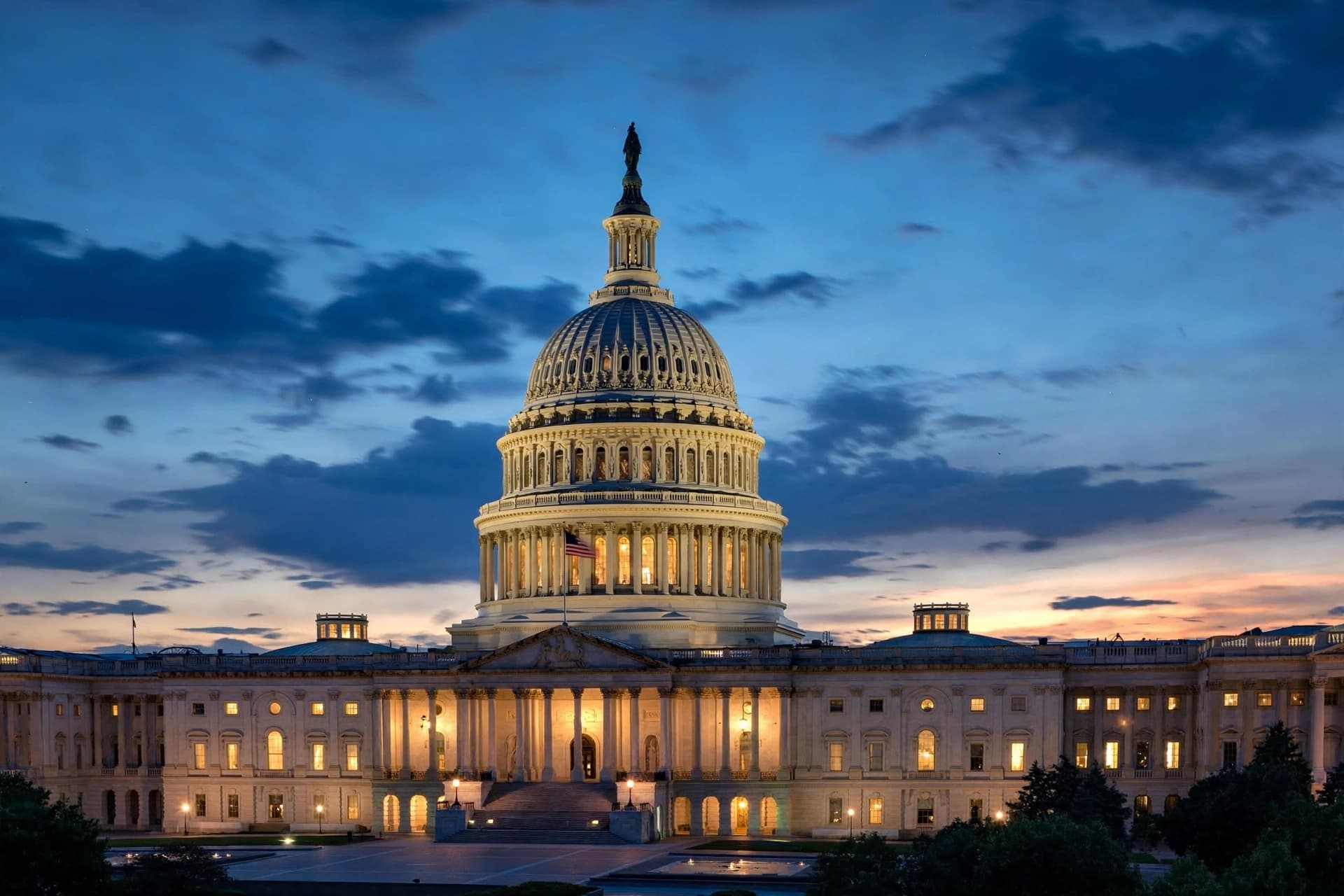
Morning settles gently over Washington, where marble columns catch the first light and familiar corridors prepare once again for conversations that reach far beyond the city's boundaries. Inside the Senate, measured voices replace the quiet of dawn, while thousands of miles away, the skies above the Middle East continue to carry the echoes of military operations. Between these distant places stretches an invisible thread, connecting decisions made in hearing rooms with events unfolding across another horizon.
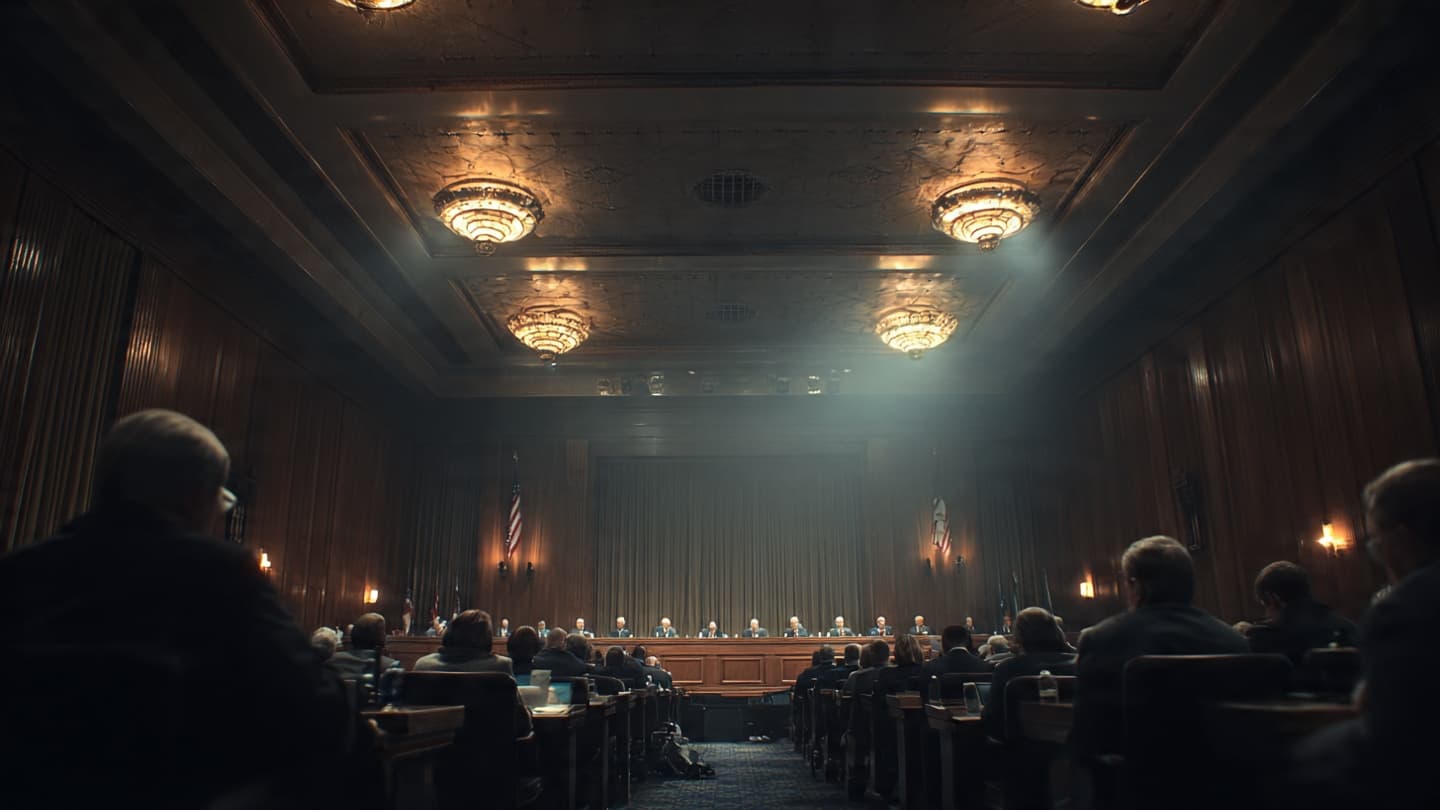
Against this backdrop, U.S. Defense Secretary Pete Hegseth and Chairman of the Joint Chiefs of Staff Gen. Dan Caine appeared before the Senate as lawmakers sought answers about the expanding confrontation involving Iran. Their testimony came during a period of heightened military activity, with questions focusing on operational objectives, regional security, force protection, and the broader consequences of continued escalation.
Congressional hearings often serve as moments of reflection as much as oversight. They offer an opportunity for elected representatives to examine military strategy while balancing national security concerns with public accountability. As senators questioned senior defense officials, the discussion reflected not only immediate battlefield developments but also the longer trajectory of American involvement in one of the world's most complex regions.
The conflict has evolved beyond isolated military exchanges. Recent strikes and counterstrikes have heightened concerns among regional governments, international organizations, and global markets. Military planners continue to assess potential risks to U.S. personnel stationed across the Middle East while monitoring the possibility of additional retaliatory actions that could widen the confrontation further.
Throughout the hearing, attention also turned toward the readiness of American forces and the measures being taken to protect service members deployed throughout the region. Lawmakers sought greater clarity regarding strategic objectives, operational planning, and the conditions under which military activities might either expand or transition toward diplomatic engagement. Such discussions illustrated the enduring challenge of balancing immediate security requirements with longer-term political outcomes.
Beyond the hearing room, allies and partners continue to observe developments closely. Governments across Europe, the Gulf, and Asia remain attentive to the implications for regional stability, international shipping, and energy markets. Even when military operations remain geographically concentrated, their economic and diplomatic consequences often extend far beyond the battlefield.
For many Americans, hearings such as these represent an essential bridge between military institutions and civilian oversight. Behind each exchange of testimony lies a broader effort to understand how evolving events overseas may influence national policy, international partnerships, and the responsibilities entrusted to those directing military operations.
History often shows that military campaigns unfold alongside equally significant debates within democratic institutions. While commanders evaluate operational realities, legislators examine the legal, strategic, and financial dimensions of prolonged conflict. These parallel conversations remind observers that national security is shaped not only through actions in the field but also through deliberation within government.
As the hearing concluded and senators departed beneath the Capitol's familiar dome, the conflict itself remained unresolved. Air operations continued, diplomatic channels faced renewed pressure, and uncertainty lingered across the region. The testimony of Defense Secretary Pete Hegseth and Gen. Dan Caine underscored that while military leaders may explain the course of ongoing operations, the broader path toward stability will ultimately depend upon decisions that extend beyond the reach of armed force alone.
AI Image Disclaimer These illustrations are AI-generated representations created to accompany the story and should not be interpreted as authentic photographs.
Sources Reuters Associated Press BBC News The New York Times Reuters
Published by Banx Network. This article is part of the Banx decentralized media programme, powered by the BXE token on the XRP Ledger.