In the long Australian summer, heat does not arrive suddenly — it gathers. It settles across paddocks and rooftops, dries the breath from the land, and waits. In Victoria’s south-west this week, that waiting gave way to urgency, as rising temperatures and shifting winds carried the threat of bushfire toward small communities already familiar with nature’s unforgiving rhythm.
As thermometers climbed across the state, an active bushfire burning in grassland and scrub began edging closer to towns in the region. Emergency services issued warnings urging residents to remain alert, monitor conditions closely, and prepare to act should the fire’s behavior change. Aircraft, ground crews, and local brigades were deployed as authorities worked to contain the blaze under increasingly volatile conditions.
Fire officials warned that extreme heat, combined with dry vegetation and gusting winds, could cause rapid flare-ups. Even fires that appear stable, they said, can shift suddenly when temperatures peak, turning containment lines into fragile boundaries.
For residents, the threat brought familiar rituals — clearing yards, packing essential belongings, checking emergency apps, and scanning the horizon for smoke. In rural communities where distance defines daily life, preparation becomes both practical and emotional, balancing calm routine with quiet vigilance.
Across Victoria, the heatwave has stretched emergency resources. Total fire ban days were declared in several districts, with authorities urging people to postpone outdoor activities that could spark ignition. Power companies also warned of possible outages as demand surged and infrastructure faced stress.
Community centers opened as information hubs, while local councils coordinated welfare support for those needing assistance. Schools and childcare providers monitored advice closely, prepared to adjust operations should conditions deteriorate.
Officials emphasized that no lives had been lost and that protecting communities remained the highest priority. Yet they acknowledged the unpredictability of bushfire behavior, particularly under climate conditions that are becoming increasingly intense and frequent.
As evening fell and temperatures slowly eased, attention turned to forecasts — to whether cooler air would arrive, or whether the heat would linger another day. In the south-west, the land waited again, watched closely by those who know that in fire season, vigilance is never far from hope.
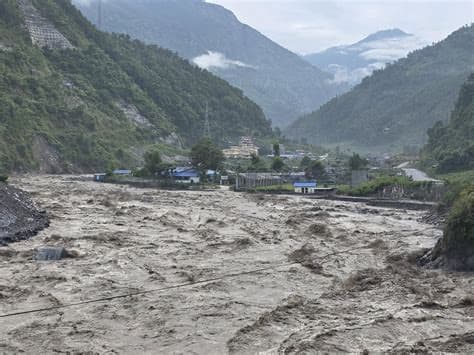
AI Image Disclaimer Graphics are AI-generated and intended for representation, not reality.
Sources ABC News Australia SBS News The Guardian Australia 9News The Age
Published by Banx Network. This article is part of the Banx decentralized media programme, powered by the BXE token on the XRP Ledger.