
Key Highlights
- Incident:A high school student was fatally stabbed while walking home in Gwangju.
- Arrest:The suspect, a 30-year-old man, was apprehended shortly after the attack.
- Community Impact:The tragedy has left the local community in mourning and heightened awareness of safety.
On a seemingly ordinary evening in Gwangju, a tragic incident unfolded that would shatter the peace of the community. A female high school student, returning home from a private academy, became the victim of a fatal stabbing, an act of violence that has left residents grappling with shock and grief. The streets, usually filled with the sounds of laughter and the bustle of daily life, now echo with the somber reality of loss.
The attack occurred as the young girl walked home, a routine journey that many take for granted. Witnesses reported that a bystander intervened during the assault, showcasing remarkable bravery in the face of danger. This act of courage, however, could not prevent the tragic outcome, as the victim succumbed to her injuries shortly after the incident. The community is now left to mourn a life cut short, with neighbors reflecting on the fragility of safety in their everyday lives.
Authorities quickly apprehended the suspect, a 30-year-old man, near the scene of the crime. Initial investigations revealed that he had no prior connection to the victim, raising questions about the motivations behind such a senseless act. During questioning, the suspect reportedly expressed feelings of despair and personal grievances, suggesting a complex interplay of mental health issues that culminated in this violent encounter. The legal proceedings are now underway, with prosecutors seeking to understand whether the attack was premeditated or a spontaneous eruption of rage.
Gwangju, a city known for its resilience and rich history, now faces the painful reality of this tragedy. The empty desk in the victim's classroom serves as a stark reminder of the potential that has been lost. Community members are coming together, sharing their sorrow and support, as they navigate the aftermath of this incident. Conversations among neighbors have shifted to concerns about safety, with parents expressing heightened anxiety over their children's evening routines.
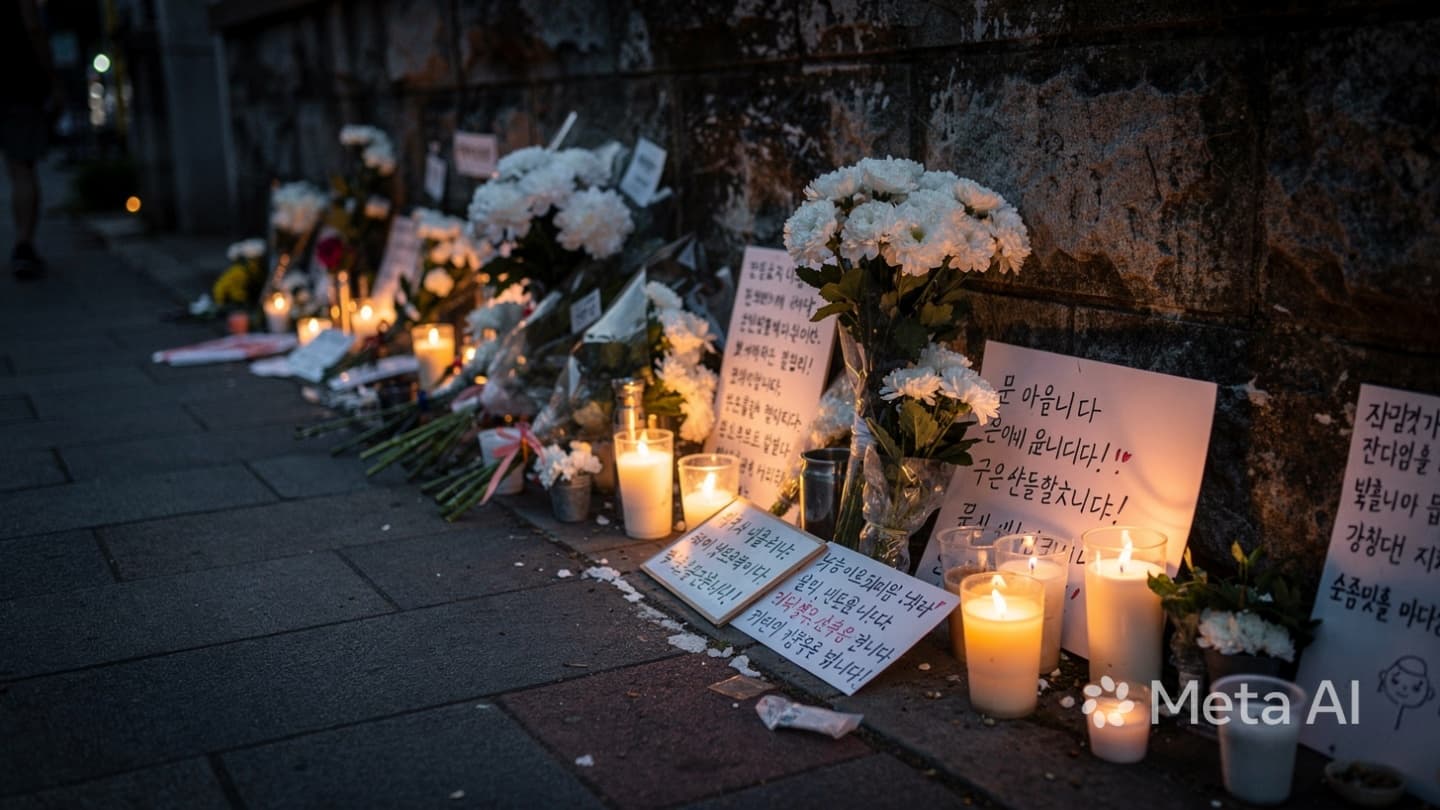
As flowers and notes are placed at the site of the attack, the community is finding ways to honor the memory of the young girl. These tributes, small yet significant, serve as a testament to the impact of her life and the love that surrounds her. The act of remembering is a powerful one, as it transforms a site of tragedy into a space of collective mourning and reflection.
In the wake of this incident, Gwangju's residents are left to grapple with the implications of urban violence. The streets that once felt safe now carry an undercurrent of fear, prompting many to reconsider their evening routines. The darkness of night has taken on a new meaning, reminding everyone of the vulnerability that exists in everyday life. As the community seeks to heal, the hope is that they can emerge stronger, united in their grief and determination to ensure safety for all.
The legal system will now play a crucial role in addressing the complexities of this case, as it seeks to provide answers and justice for the victim and her family. The courtroom will serve as a stage for the unfolding narrative, where the emotional weight of the tragedy will be juxtaposed against the cold language of law. Gwangju stands at a crossroads, facing the challenge of reconciling its past with the harsh realities of the present.
Published by Banx Network. This article is part of the Banx decentralized media programme, powered by the BXE token on the XRP Ledger.



