
Key Highlights
- Emergency department at Schiedam's Franciscus Vlietland Hospital closes at night due to staff shortages.
- Residents must travel to Delft for urgent care, raising accessibility concerns.
- Local officials express frustration over the loss of nearby healthcare services.
In the quiet hours when most of a city sleeps, the heartbeat of care should still thrum steadily — a reassuring promise that help is near when the unexpected knocks at midnight. Yet in Schiedam’s Franciscus Vlietland Hospital, that pulse has dimmed under the soft cloak of night. The doors that once welcomed those in need of urgent care now remain closed after dark, forcing residents to turn toward another city for help when dawn still feels far away.
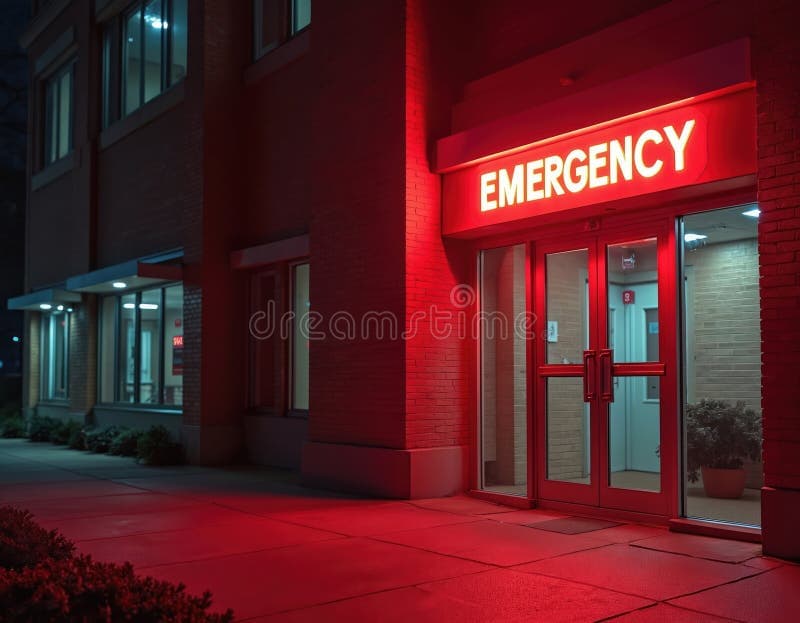
Earlier this year, the emergency department at Franciscus Vlietland ceased its nighttime operations due to a shortage of medical staff. This closure has significant implications for the community, as the nearby huisartsenpost — the out-of-hours GP service that traditionally bridges the gap between regular care and urgent need — is now following suit. Together, these closures mean that those facing pressing health concerns in the deep night must journey to Delft, where both services remain open.
For local leaders, the change is more than logistical; it feels like a retreat from care close to home. “It can’t be right that as a Schiedammer, if something happens at night, you have to go all the way to Delft,” says Petra Zwang, the city’s health alderwoman, openly frustrated by the situation. “I’m strontchagrijnig about it — and that comes from the bottom of my heart.” Her sentiments reflect a growing concern among residents who feel abandoned by the healthcare system.
The reactions are echoed by neighboring officials who see a pattern of services slipping away. In Vlaardingen, Jacky Silos points out that this closure follows the earlier loss of obstetric care and evening emergency services, eroding the safety net that once kept acute care nearby. There are fears — voiced by both municipal leaders and insurer DSW — that closing these services at night could discourage people from seeking help or delay care when every minute counts.
From the perspective of the huisartsenpost leadership, the choice to close was not easy. The shortage of doctors and nurses is not unique to Schiedam but reflects a broader challenge across the Dutch healthcare system. Attempts to keep the services open without sufficient qualified staff could risk burnout or compromised care quality. The decision underscores the difficult balance between maintaining service availability and ensuring patient safety.
In practice, only a handful of patients — on average about six per night — would have used the GP post during these hours. Official figures suggest that many of those in need still call and travel to the Delft facility when necessary. Yet for those long nights when uncertainty presses hard, a few extra kilometers can feel like an eternity. The emotional toll on families and individuals needing urgent care cannot be understated, as the distance to the next available service can exacerbate already stressful situations.
As community representatives seek dialogue with hospitals and insurers, the debate reflects a deeper question about how society balances resource constraints with the promise of immediate care. For now, the night remains quieter in Schiedam’s care corridors, but the conversation about accessibility and proximity continues in town halls and living rooms alike. The community's resilience and determination to advocate for their healthcare needs will be crucial in shaping the future of local services.
Published by Banx Network. This article is part of the Banx decentralized media programme, powered by the BXE token on the XRP Ledger.



