
Key Highlights
- Surge in kidnappings:Police report a significant rise in ransom cases in rural Sindh.
- Criminal tactics:Kidnappers exploit the remote landscape for ambushes.
- Community impact:Families face uncertainty and fear as crime disrupts rural life.
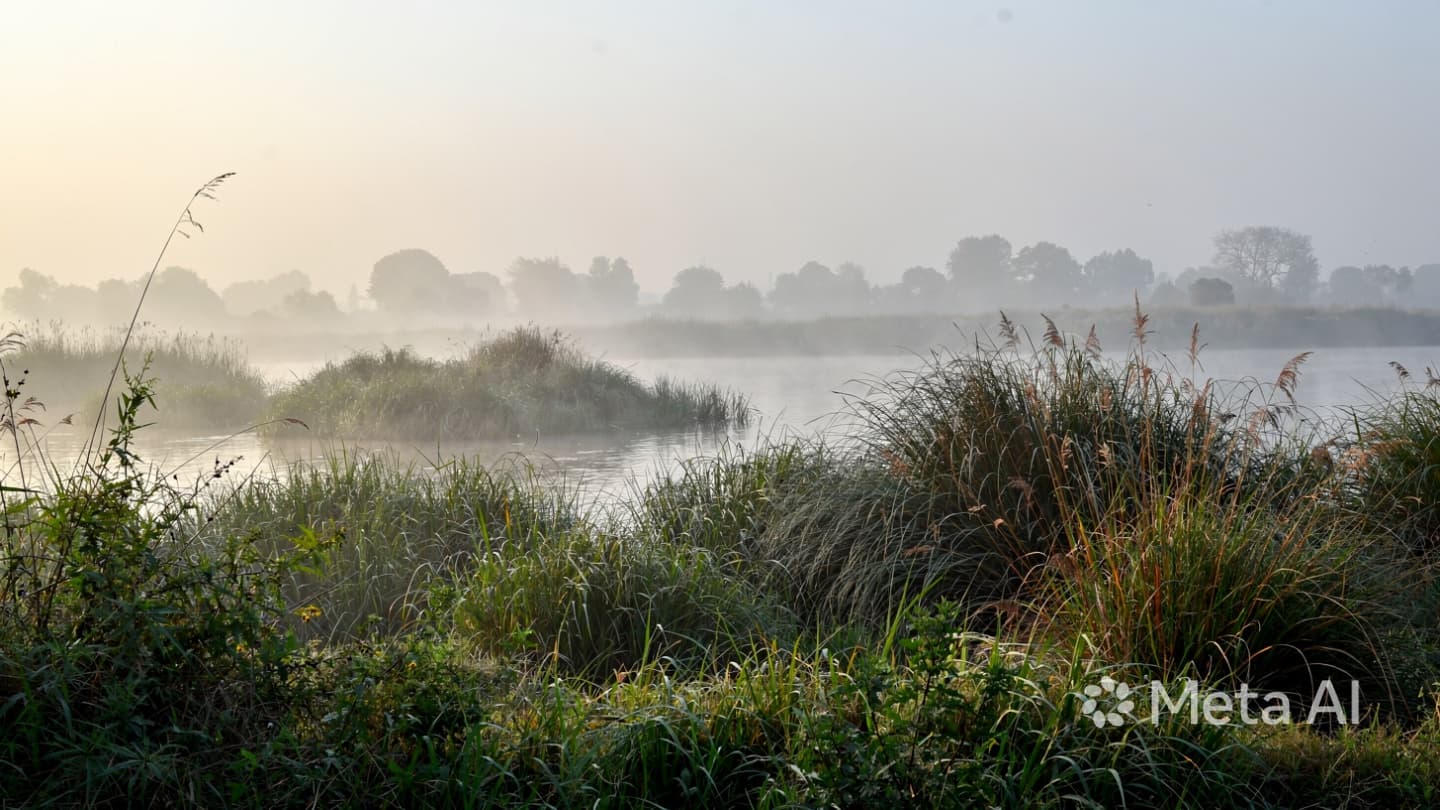
In the rural reaches of Sindh, where the Indus River carves a path through the ancient silt and the fields stretch out in a sea of emerald and gold, the rhythm of life has always been one of patient labor. Here, the sun dictates the hours of work, and the evening brings a quietude that is as deep as the soil itself. But lately, this rural peace has been disturbed by a recurring and predatory shadow—the rise of kidnapping for ransom, a crime that feeds on the vastness and the isolation of the landscape.
Police reports indicate a significant surge in kidnapping for ransom cases across rural Sindh, particularly in the riverine "katcha" areas. The statistics reveal a troubling trend: families are increasingly vulnerable to organized criminal gangs that target local landowners and travelers. The police, in their response, speak of increased patrols and targeted operations, but the terrain itself is an ally to the criminal. The labyrinthine waterways and dense forests provide a sanctuary for those who have turned the rural heartland into a hunting ground.
The report from the police carries the dry, clinical tone of an official document, yet beneath the statistics lies a landscape of profound human suffering. To be taken from one’s own land, to vanish into the tall reeds or the hidden thickets of the river delta, is a violation that strikes at the very heart of the community. It is a crime that transforms the familiar geography of home into a place of hidden traps and sudden, violent absences.
There is a mechanical cruelty to the way these operations are conducted: the sudden ambush on a lonely road, the disappearance into the katcha areas where the law struggles to follow, and the chilling, distant voice on a phone demanding a price for a life. The kidnappers move like spirits through the terrain they know so well, exploiting the gaps in the state’s reach to build a commerce of fear. For the families left behind, the world becomes a space of agonizing uncertainty, a waiting game played out in the shadow of a ransom demand they can rarely afford to meet.
Reflection on this surge leads one to consider the vulnerability of those who provide the nation's sustenance. The farmer and the laborer, already burdened by the whims of the seasons, now carry the added weight of looking over their shoulder as they work. The kidnapping trade is not just an attack on the individual, but an assault on the stability of the rural economy, chilling the very spirit of the countryside.
Within the small villages, the atmosphere has grown heavy with a cautious and watchful silence. The gates are locked earlier, and the travelers move in groups, trying to create a safety that the landscape no longer provides. The news of each new abduction ripples through the community like a cold wind, a reminder that the shadows are growing longer and bolder with each passing season.
As the sun sets over the Indus, casting a deep, golden light across the water, the beauty of the landscape is tinged with a new and jagged edge of anxiety. The search for the lost continues, a quiet struggle for the return of a peace that was once as constant as the river. The police's efforts to combat this crisis are ongoing, but the challenge remains daunting as the criminals adapt to the changing dynamics of their environment.
Published by Banx Network. This article is part of the Banx decentralized media programme, powered by the BXE token on the XRP Ledger.



