
Key Highlights
- Record snowfall in Japan has led to over 30 fatalities.
- Infrastructure struggles include power outages and transportation delays.
- Emergency shelters opened as communities faced unprecedented snow levels.
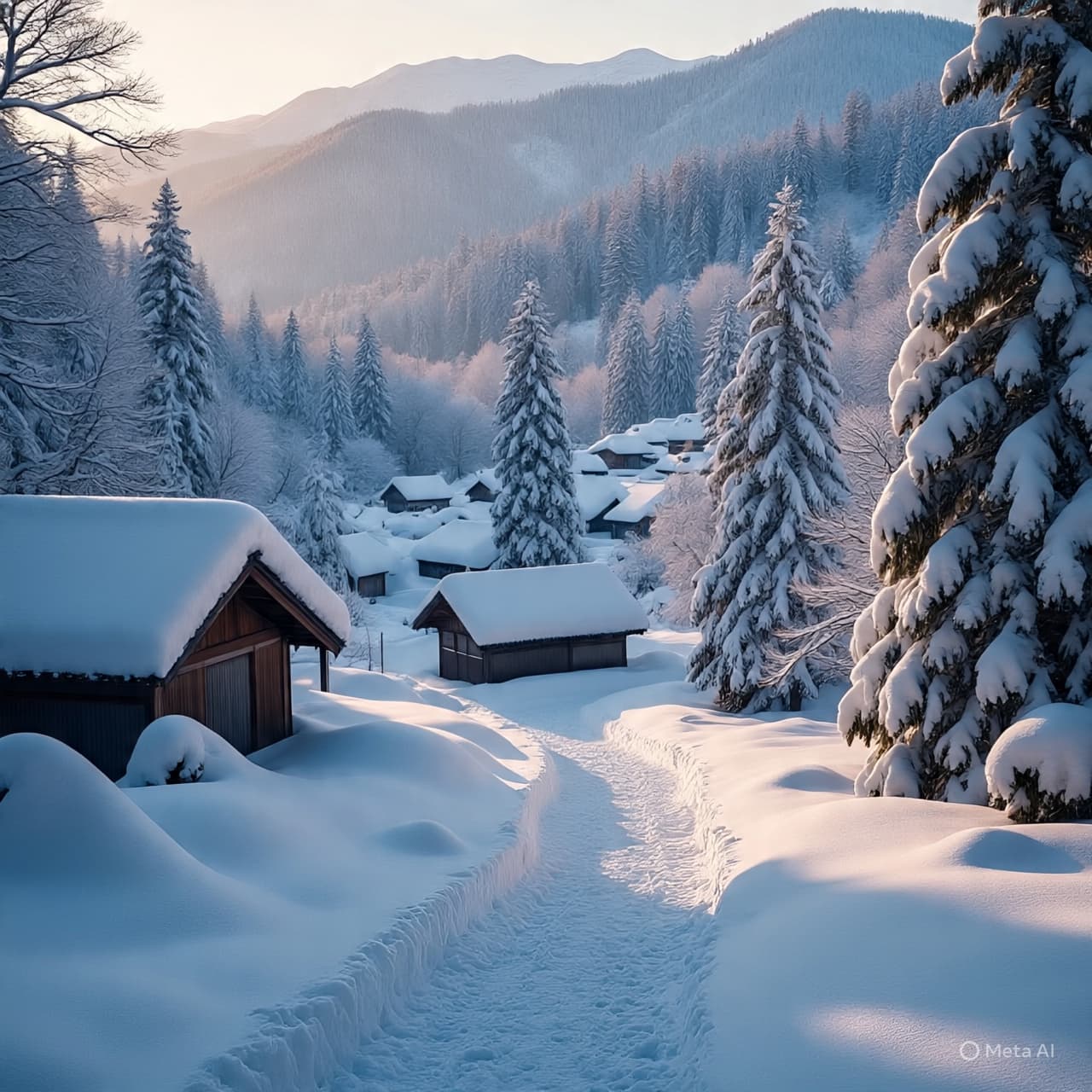
Japan's winter has taken a severe turn this year, with record-breaking snowfall accumulating across the country, particularly along the Sea of Japan coast and in northern regions. What began as a gentle winter blanket quickly escalated into a formidable challenge, as snow piled higher than windows in some areas, collapsing roofs and disrupting daily life. The situation has transformed from picturesque to perilous, with communities grappling with the relentless accumulation of snow.
As the snow continued to fall, the impact on daily life became increasingly severe. Roads turned into icy corridors, and public transportation faced significant delays and cancellations. The Japan Meteorological Agency reported that storm systems stalled, leading to persistent cold fronts and moisture-laden air. This unusual weather pattern has resulted in snow that not only disrupts but also endangers lives, with at least 30 fatalities reported, many occurring during routine activities such as clearing roofs or navigating familiar roads.
Japan is no stranger to heavy snowfall, particularly in regions known as yukiguni, or snow country. These areas are accustomed to harsh winters, with steep roofs designed to handle heavy snow loads and communities prepared for isolation. However, this winter has tested those preparations to their limits. Emergency warnings have urged residents to stay indoors, while local governments mobilized to clear roads and check on vulnerable populations, particularly the elderly, who face heightened risks during such extreme weather.
The weight of the snow has been felt most acutely in rural and mountainous regions, where aging populations struggle with the physical demands of snow removal. In urban areas, commuters have faced a different set of challenges, with train platforms filled with frustrated passengers as delays mounted. Power outages, though brief, served as unsettling reminders of the fragility of infrastructure in the face of nature's fury.
Meteorologists have described the conditions using technical jargon, but for those on the ground, the experience is one of fatigue and uncertainty. The decision to clear a roof or venture out becomes a heavy burden, with each choice carrying significant consequences. As the storms begin to ease and forecasts hint at a gradual thaw, the reality of the situation becomes clearer: the death toll, the damage to infrastructure, and the records broken by this relentless winter.
As cleanup efforts commence, communities are slowly returning to normalcy, but the scars of this winter will linger. The snowbanks that once blocked streets are being carved back into shape, and trains are cautiously resuming service. Yet, the emotional toll remains, as families mourn losses and reflect on the quiet devastation that a harsh winter can bring. This season serves as a poignant reminder that even in regions accustomed to snow, nature can deliver more than expected, altering lives in profound ways.
Published by Banx Network. This article is part of the Banx decentralized media programme, powered by the BXE token on the XRP Ledger.



