
Key Highlights
- Gabon integrates environmental education into school curricula.
- Teacher training programs and nature clubs established.
- Focus on cultivating eco-conscious future leaders.
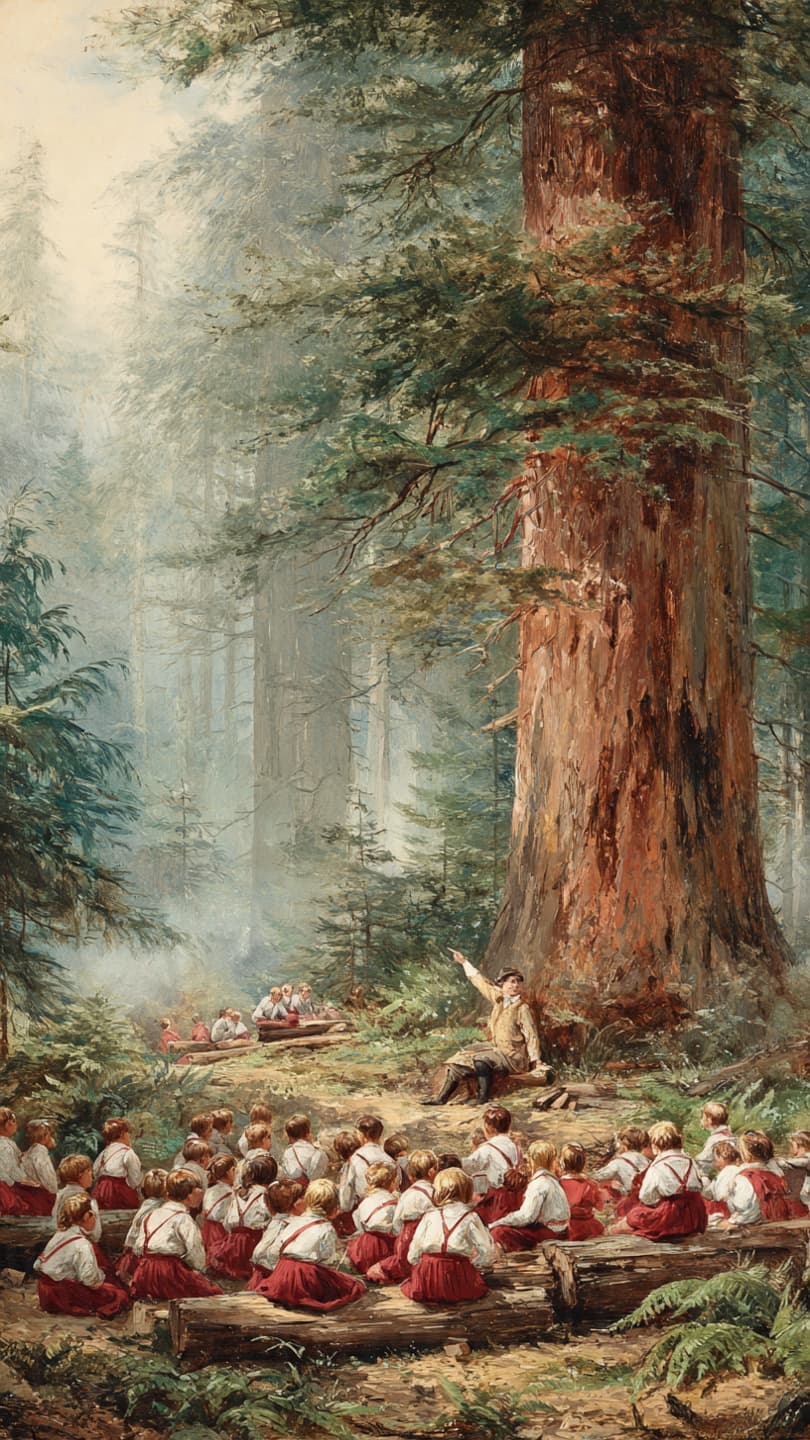
In the schools that dot the perimeter of Gabon’s urban centers and the villages nestled deep within the interior, a new kind of literacy is being cultivated. It is a narrative of connection—a story of how the next generation is being taught to read not just the printed word, but the intricate language of the ecosystem that surrounds them. To watch a child identify the medicinal bark of an ancient tree or explain the carbon cycle of a peatland is to witness the sowing of a seed that will eventually shade the entire nation’s future.
This educational shift is marked by a quiet, intellectual motion, found in the outdoor laboratories of the national parks and the revised textbooks that place the Congo Basin at the heart of the national story. The atmosphere is one of profound awakening, a realization that the survival of the forest depends on the wisdom of those who will inherit it. The curriculum reflects a sovereign intent—to raise a population of guardians rather than just consumers.
The narrative of environmental education is written in the language of curiosity and stewardship. It speaks of university students conducting field research in Lopé and primary school pupils visiting the mangroves to understand the tides. This policy motion is a calibration of identity, ensuring that Gabonese citizens see their natural heritage as their greatest professional and spiritual asset. It is a story of how a nation builds its resilience through the minds of its children.
As the afternoon sun warms the open windows of a rural classroom, casting long, dusty beams across maps of the thirteen national parks, one reflects on the power of perspective. Education is the ultimate conservation tool. The atmosphere is one of measured hope, a sense that the lessons learned beneath the canopy will endure long after the school bell rings. The forest is becoming the textbook, and the students are becoming its most eloquent authors.
In the reflective silence of the training institutes, the teachers of the next decade are being prepared to lead this cultural shift. There is a beauty in this level of preparation, a desire to marry traditional indigenous knowledge with the latest environmental science. The atmosphere is one of shared discovery, a commitment to proving that the most advanced society is the one that understands its place within the web of life.
The transition from a standard education system to one focused on sustainable development represents a significant milestone in Gabon’s social evolution. By integrating ecology into every level of learning, the nation is creating a new social contract with nature. The motion of this knowledge will eventually become a constant, stabilizing rhythm, a reminder of the power of the mind to protect the earth.
The narrative of the living library is ultimately a story of inclusion. By giving every child the tools to understand their environment, Gabon is democratizing the future of the planet. It is a journey of foresight and light, a recognition that the most important resource is not under the ground, but inside the classroom. The policy moves forward, a steady hand guiding the young mind through the deep green corridors of the future.
The Gabonese Ministry of Education, in partnership with conservation NGOs, has formally integrated environmental education into the national primary and secondary school curricula. This initiative includes teacher training programs and the establishment of "nature clubs," ensuring that environmental literacy becomes a core competency for the next generation of Gabonese leaders and citizens.
Published by Banx Network. This article is part of the Banx decentralized media programme, powered by the BXE token on the XRP Ledger.



