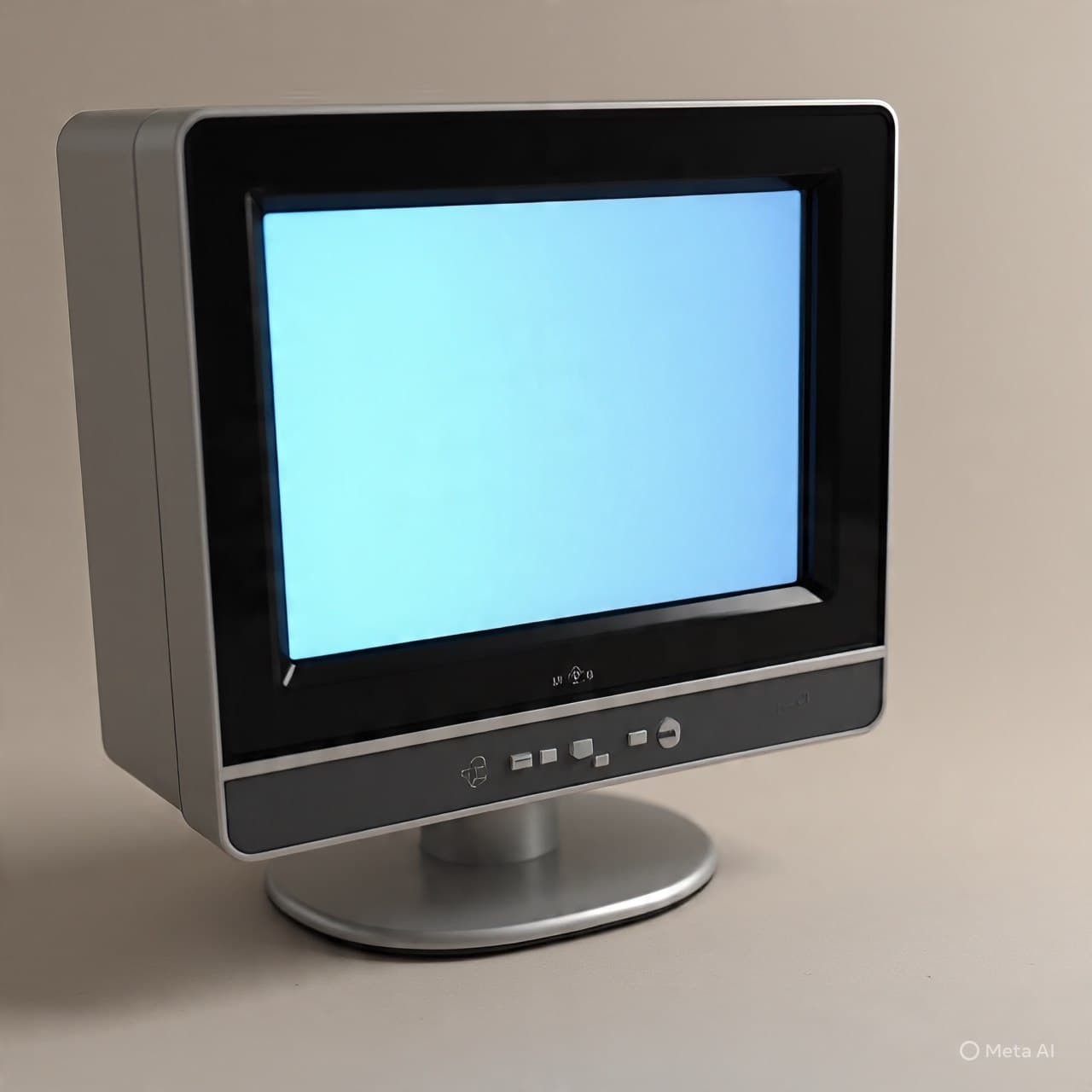
In the glow of today’s ultra-thin displays, it’s easy to forget that not long ago, screens were heavy, hot, and tethered to the deep hum of cathode ray tubes. Those bulky boxes defined the early computer era, dictating not just how images looked but how desks and living rooms were arranged. The transition to liquid crystal displays did more than slim down devices; it redefined how humans see and interact with digital worlds.
Liquid crystals themselves were not new discoveries—they were first studied in the late 19th century. But their practical application as display technology came much later, when engineers realized they could manipulate light with an electric charge. The concept was deceptively simple: align molecules in predictable ways, pass light through them, and you could form images without the heat and bulk of a cathode ray. The real challenge was engineering precision at scale, and that challenge consumed decades.
The first LCDs appeared in calculators and watches, their segmented digits crisp but basic. From there, the technology grew bolder. By the late 1990s, as manufacturing matured and costs dropped, LCD screens began replacing CRTs in earnest. The shift was dramatic: monitors became flat, lightweight, and energy-efficient. Suddenly, portability felt achievable. Laptops slimmed down, televisions grew wider, and handheld gaming became a lifestyle rather than a novelty.
The impact stretched beyond convenience. LCDs changed design languages across industries. Devices no longer had to be built around bulky displays, freeing architects and engineers to create sleeker, more integrated hardware. Homes and offices gained space once occupied by deep monitors. Even public spaces—airports, stadiums, classrooms—embraced vast walls of screens, broadcasting information in ways that felt futuristic.
Of course, the rise of LCDs also surfaced limitations. Early panels struggled with viewing angles and color fidelity. Gamers and graphic professionals noticed lag and ghosting. Yet each generation improved, paving the way for further breakthroughs like LED backlighting and OLED successors. What began as an incremental upgrade became a foundation upon which the visual culture of the 21st century rests.
The LCD’s legacy is not just in pixels but in perception. It helped erase the line between the digital and physical, embedding screens into daily rituals. We glance at them in pockets, mount them on walls, and carry them into meetings without thinking twice. In their quiet ubiquity, LCDs reshaped how society consumes information, entertainment, and even each other’s faces.
The lens may have changed, but its story is etched into every bright rectangle we stare at today.
*Disclaimer: featured images are created by Meta AI, they may contain errors and not match the original version.*
Published by Banx Network. This article is part of the Banx decentralized media programme, powered by the BXE token on the XRP Ledger.