
Key Highlights
- Final Deployment:The USS Nimitz returns home after decades of service.
- Emotional Reunions:Families embrace after long separations.
- Legacy:The Nimitz leaves behind a significant maritime history.
The horizon has long symbolized distance for sailors, often measured in months rather than miles. This week, that distance closed as the USS Nimitz returned home from its final deployment, reuniting thousands of Navy families after years marked by separation. The aircraft carrier's arrival not only signifies the end of its operational journey but also marks a poignant moment for those who have served aboard it.
Commissioned in the 1970s, the USS Nimitz has spent nearly half a century at sea, projecting American power and responding to global crises. Its last deployment was characterized not by a single conflict but by a commitment to continuous presence and routine operations. This enduring role has made the Nimitz a workplace and home for tens of thousands of sailors throughout its service.
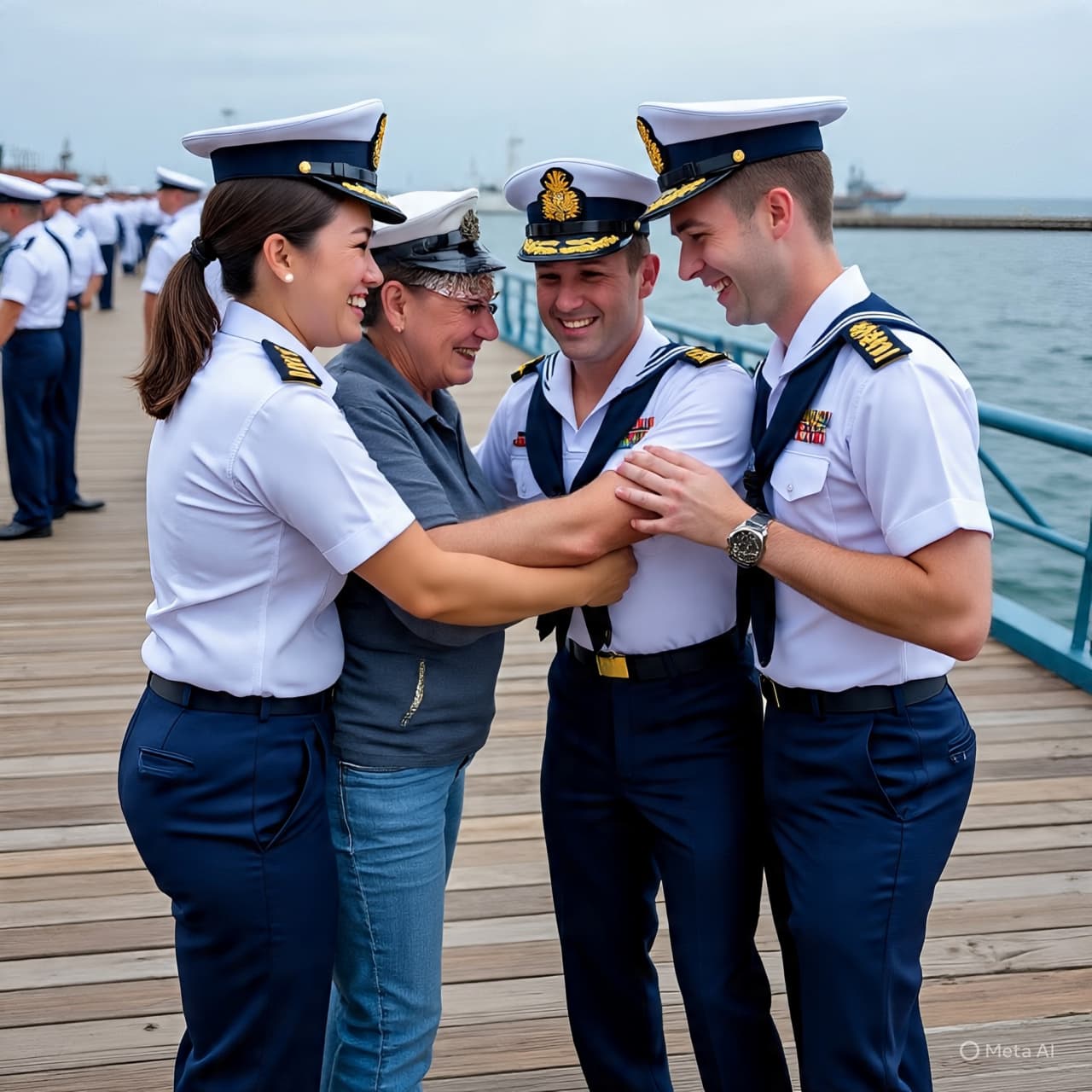
As the ship docked, emotional reunions unfolded along the pier. Children recognized their parents by uniforms rather than faces, and embraces were often delayed by hesitation, with relief breaking through the initial composure. For these families, the return was less about the ship's storied history and more about the time regained—birthdays missed, holidays postponed, and conversations resumed without the barrier of screens.
The Navy has emphasized that the Nimitz's final deployment was executed safely and professionally, reflecting the carrier's significant role in maritime operations. However, there was a shared understanding that this homecoming carried added weight; there will be no next departure for this iconic vessel. For many sailors, this return closed a chapter defined by watch rotations, flight operations, and long stretches without land. Many served aboard the Nimitz knowing they were part of its final generation, acting as custodians of a ship that had trained them while preparing for retirement.
The journey home for the Nimitz also highlights a broader transition within the U.S. Navy. Newer ships equipped with advanced systems are entering service, while older platforms like the Nimitz step aside. The carrier leaves behind not just a physical berth but a legacy shaped by decades of deterrence and presence in international waters.
Yet, the day belonged less to military strategy and more to the people involved. Commanders spoke briefly, flags were lowered, and the gangway opened. Families, long practiced in patience, crossed the final few meters that had separated them for months. Soon, the ship will transition into the next phase of its life, moving away from deployment cycles and toward decommissioning.
What remains hardest to quantify is what the Nimitz carried back: the accumulated weight of service, routine, fatigue, pride, and endurance. As the USS Nimitz rests at home for the last time, it does so quietly—not as a symbol of departure but as a reminder that even the largest instruments of war ultimately return to human hands and the waiting arms of loved ones.
Published by Banx Network. This article is part of the Banx decentralized media programme, powered by the BXE token on the XRP Ledger.



