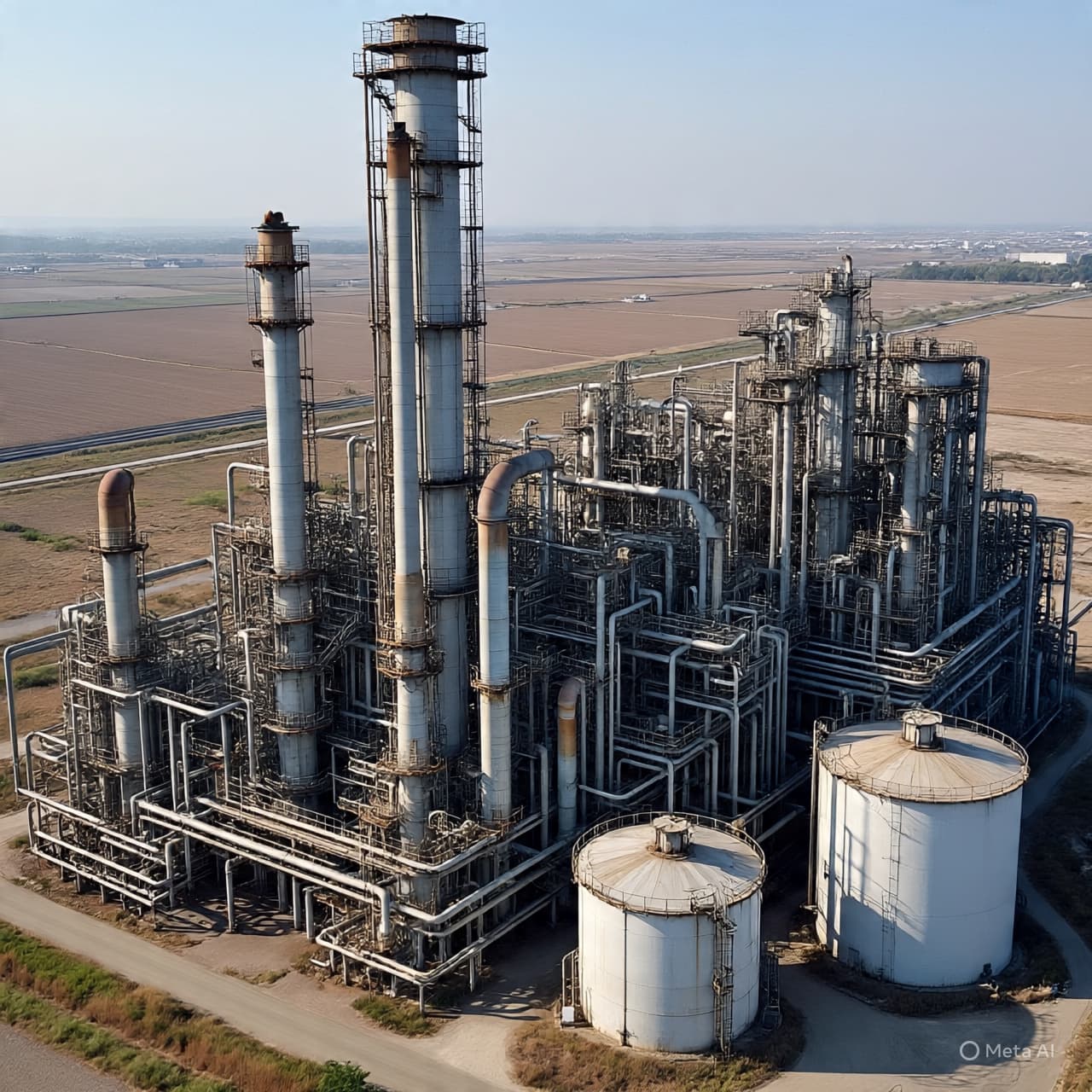
Heavy industry rarely commands attention until it stands on the edge of disappearance. When it does, the conversation shifts from efficiency and margins to continuity and consequence. The news that the UK’s last ethylene plant has been secured with £150 million in new funding arrives with that quiet sense of reprieve, less celebratory than relieved.
Ethylene sits at the foundation of modern manufacturing, an unseen ingredient that feeds into plastics, packaging, construction materials, and countless everyday products. The survival of the plant is therefore not only an industrial matter, but a symbolic one, tied to questions about domestic capability and strategic resilience.
The funding package offers breathing room at a time when the sector has faced sustained pressure. High energy costs, global competition, and aging infrastructure have all weighed heavily on the economics of UK chemical production. Against that backdrop, the decision to commit fresh capital reflects a belief that preservation still holds value.
Supporters of the move argue that maintaining domestic ethylene production protects supply chains and skilled employment. Once facilities of this scale close, reopening them is rarely viable. Investment, even when defensive in nature, becomes a way of keeping options open rather than surrendering them outright.
The plant’s future, however, is unlikely to mirror its past. Survival increasingly depends on adaptation, whether through efficiency improvements, cleaner processes, or alignment with longer-term decarbonisation goals. The funding is seen less as an endpoint and more as a bridge toward a more sustainable operating model.
Critics note that rescue funding does not resolve structural challenges on its own. Global markets remain competitive, and policy uncertainty continues to cloud long-term planning. Yet even they acknowledge that the alternative, an unmanaged closure, would carry its own costs.
For now, the injection of £150 million steadies the plant’s position. It offers time, a resource that has become scarce in energy-intensive industries. In that pause, decisions about the future of UK manufacturing can be made with deliberation rather than urgency.
Published by Banx Network. This article is part of the Banx decentralized media programme, powered by the BXE token on the XRP Ledger.