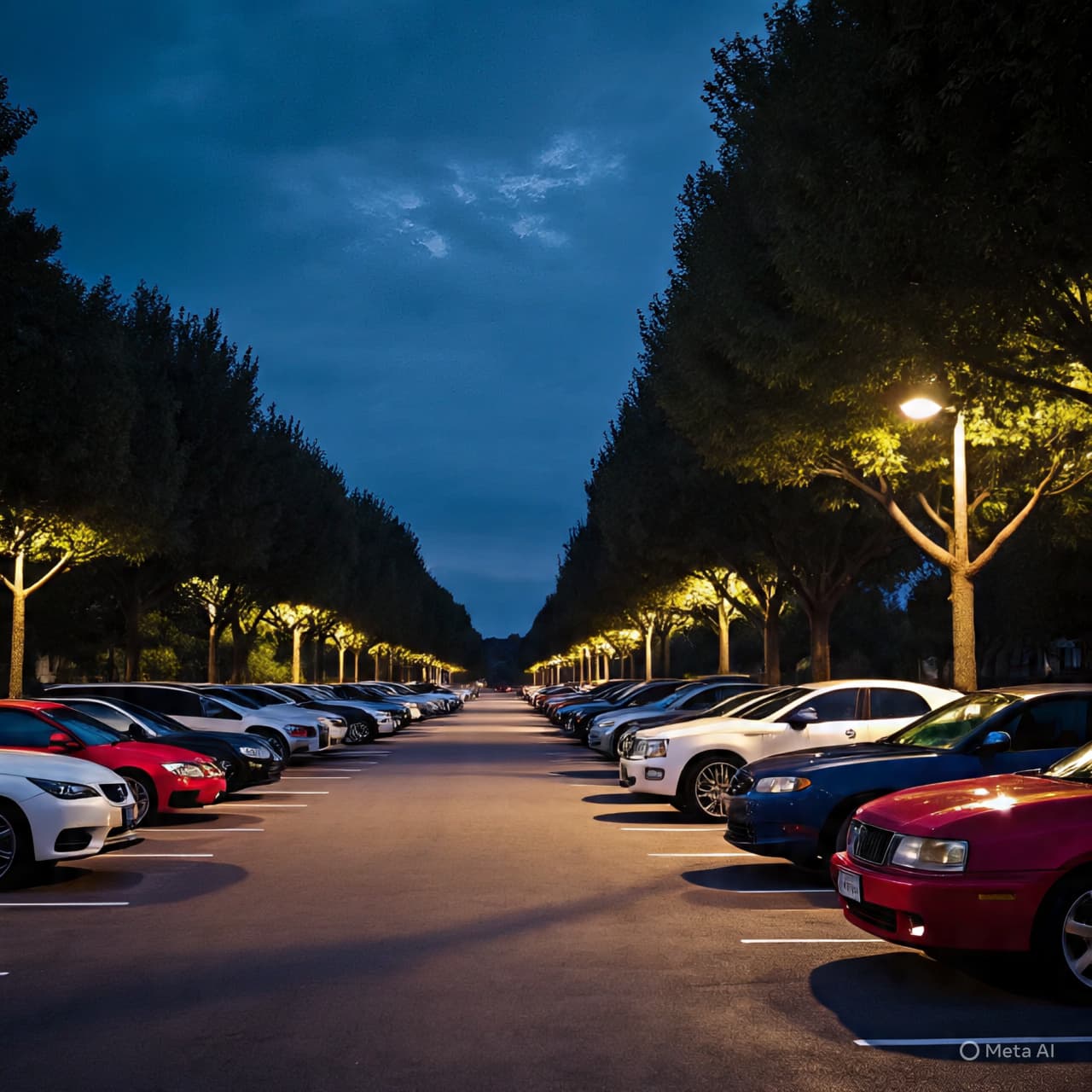
In a world rushing toward electric horizons, President Vladimir Putin has taken a different tone — one steeped in the hum of combustion. Speaking this week, he said that gasoline-powered cars will remain in use for a long time, emphasizing the enduring practicality and accessibility of fossil-fueled transport even as the world’s major economies pivot toward electrification.
For Moscow, the remark is as much strategic as it is reflective. Russia remains one of the largest oil producers on Earth, and its industrial ecosystem is deeply interwoven with hydrocarbon exports. To acknowledge the decline of gasoline too quickly would be to concede the fading of one of the country’s core economic engines.
Globally, the remark resonates with quiet realism. While electric vehicles are transforming urban landscapes in the West and parts of Asia, much of the developing world still depends on internal combustion — infrastructure, cost, and geography tying them to the old model of motion. In that sense, Putin’s comment is less resistance than recognition: the world’s energy transition may not be evenly timed.
His statement suggests that Russia will continue to bet on traditional energy markets while gradually exploring alternative technologies. The engine, for now, still runs — and in many places, it will for years to come.
Published by Banx Network. This article is part of the Banx decentralized media programme, powered by the BXE token on the XRP Ledger.