
Key Highlights
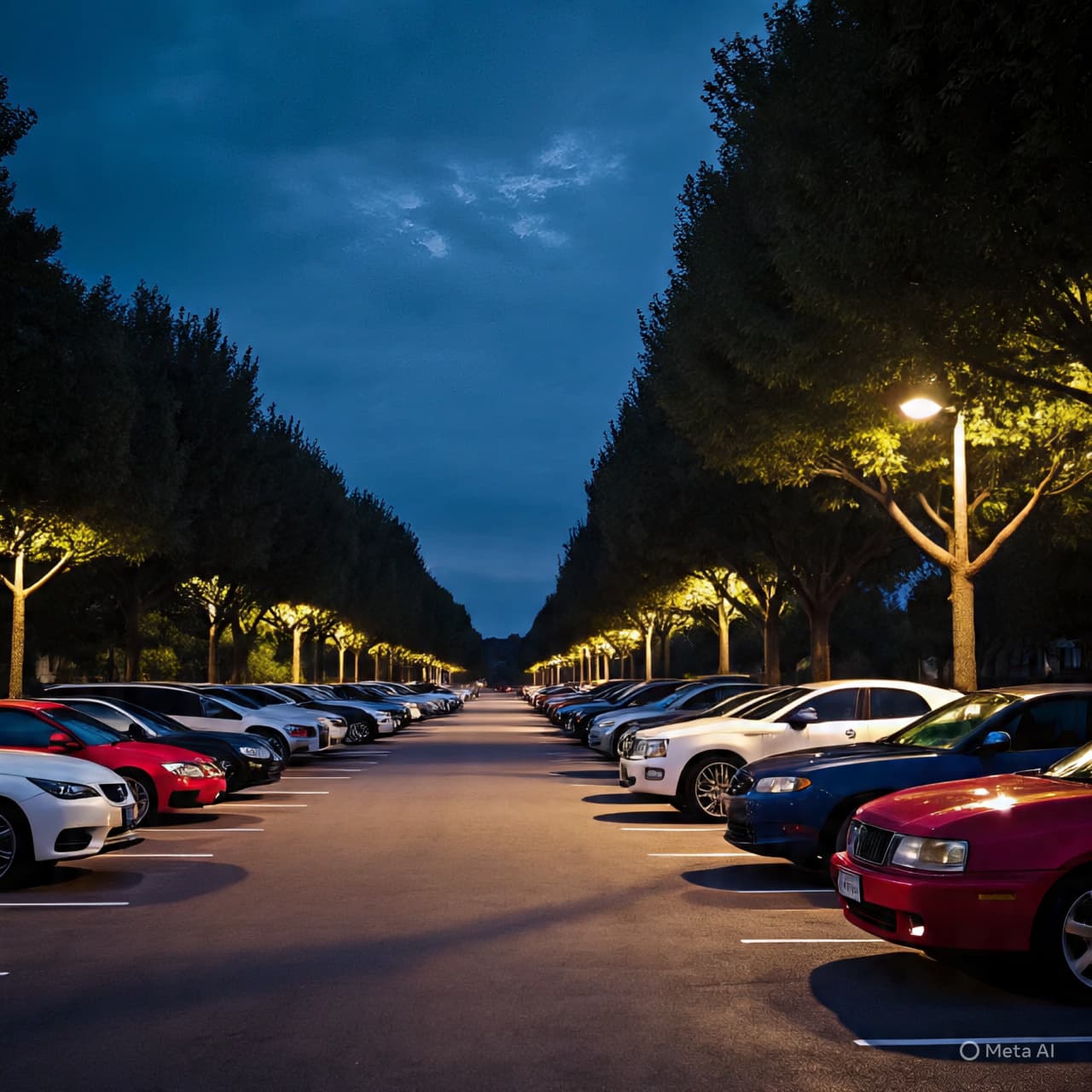
- Putin's Statement: President Vladimir Putin claims gasoline-powered cars will remain relevant for years.
- Economic Context:Russia's economy is heavily reliant on oil production and hydrocarbon exports.
- Global Perspective:Many developing nations still depend on internal combustion vehicles due to infrastructure and cost.
In a world rushing toward electric horizons, President Vladimir Putin has taken a different tone — one steeped in the hum of combustion. Speaking this week, he stated that gasoline-powered cars will remain in use for a long time, emphasizing the enduring practicality and accessibility of fossil-fueled transport even as the world’s major economies pivot toward electrification.
Putin's remarks come at a time when the global automotive industry is increasingly focused on electric vehicles (EVs). Major manufacturers are investing heavily in EV technology, and countries are implementing policies to phase out internal combustion engines. However, for Russia, the statement is as much strategic as it is reflective. As one of the largest oil producers on Earth, Russia's industrial ecosystem is deeply interwoven with hydrocarbon exports. To acknowledge the decline of gasoline too quickly would be to concede the fading of one of the country’s core economic engines.
The implications of Putin's comments extend beyond Russia. Globally, they resonate with a quiet realism. While electric vehicles are transforming urban landscapes in the West and parts of Asia, much of the developing world still depends on internal combustion. Factors such as infrastructure, cost, and geography tie these regions to the old model of motion. In that sense, Putin’s comment is less resistance than recognition: the world’s energy transition may not be evenly timed.
Putin's assertion highlights a critical divide in the global automotive landscape. In developed nations, the shift to electric vehicles is often seen as an urgent necessity to combat climate change. However, in many developing countries, the transition is hindered by economic constraints and a lack of charging infrastructure. For these nations, the internal combustion engine remains a vital component of transportation, making Putin's perspective relevant in a broader context.
His statement suggests that Russia will continue to bet on traditional energy markets while gradually exploring alternative technologies. The engine, for now, still runs — and in many places, it will for years to come. As the world grapples with the complexities of energy transition, Putin's comments serve as a reminder of the diverse realities faced by different nations in the shift toward sustainable transportation.
In conclusion, while the global narrative increasingly favors electric vehicles, the reality is that many regions still rely on internal combustion engines. Putin's remarks underscore the need for a nuanced understanding of the energy transition, one that considers the economic and infrastructural challenges faced by various countries.
Published by Banx Network. This article is part of the Banx decentralized media programme, powered by the BXE token on the XRP Ledger.



