

Key Highlights
- Ebola remains a significant public health threat in Central Africa.
- Health experts emphasize the importance of rapid detection and community engagement.
- Advances in vaccines and treatments improve response capabilities.
In the world of public health, progress often resembles a lantern carried through uncertain terrain. Each outbreak that is contained becomes a reminder of scientific achievement, yet every new resurgence underscores how vigilance remains an essential companion. Across Central Africa, health experts are once again focusing their attention on Ebola as concerns emerge over ongoing challenges in controlling the virus.
Researchers and health authorities have highlighted that significant questions remain about how Ebola behaves in certain environments and populations. These uncertainties complicate efforts to fully contain outbreaks and prevent future transmission. The virus, which has affected multiple African countries over the past several decades, poses a serious public health threat whenever new cases emerge, despite advances in vaccines, treatments, and surveillance.
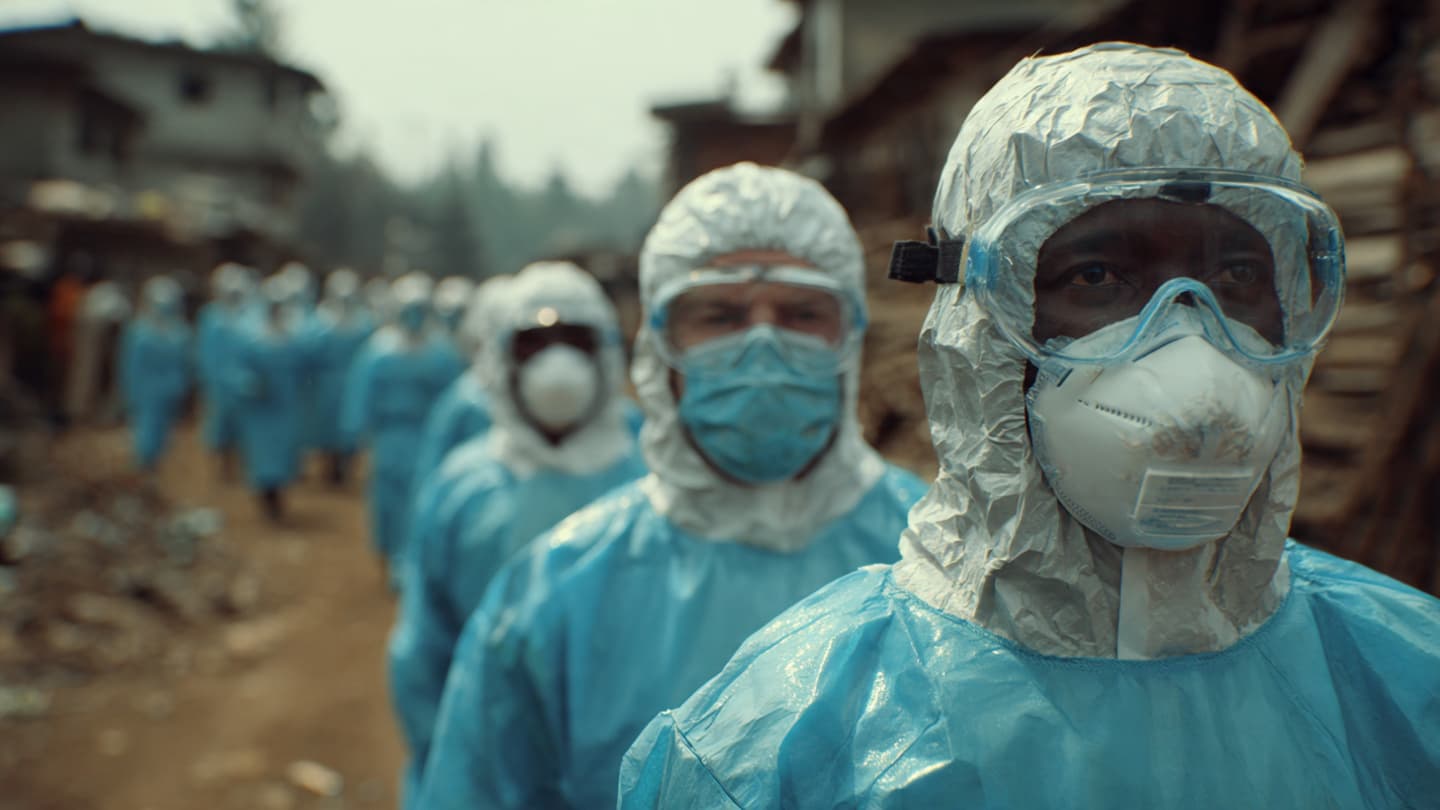
Medical teams working in affected regions face a range of challenges. Remote geography, limited healthcare infrastructure, and difficulties in tracking transmission chains can slow response efforts and complicate containment strategies. The terrain in Central Africa often hinders access to affected areas, making it difficult for health workers to deliver timely interventions.
Scientists continue studying how the virus persists in nature and how sporadic outbreaks may originate. Understanding these factors is essential for improving prevention strategies and reducing future risks. The ongoing research aims to uncover the ecological and social dynamics that contribute to the virus's transmission, which is crucial for developing effective public health responses.
International organizations, including global health agencies, have emphasized the importance of rapid detection and coordinated responses. Early identification of cases often plays a decisive role in preventing wider spread. The collaboration between local health authorities and international partners is vital for enhancing surveillance and response capabilities in the region.
Community engagement remains another critical element in combating Ebola. Public trust, health education, and cooperation with local leaders can significantly improve the effectiveness of disease-control measures. Engaging communities in health initiatives fosters a sense of ownership and responsibility, which is essential for successful public health interventions.
Recent advances in medical science have provided valuable tools that were unavailable during earlier Ebola outbreaks. Vaccines and therapeutic treatments have improved outcomes, offering health workers stronger resources in combating the disease. These innovations are crucial in the fight against Ebola, as they enhance the ability to respond quickly and effectively to new cases.
As surveillance efforts continue, health authorities remain focused on preparedness rather than alarm. The situation serves as a reminder that infectious diseases do not recognize borders, making international cooperation an enduring part of global health security. The ongoing challenges posed by Ebola highlight the need for sustained investment in public health infrastructure and research to ensure that communities are better equipped to handle future outbreaks.
Published by Banx Network. This article is part of the Banx decentralized media programme, powered by the BXE token on the XRP Ledger.




