In times of rising conflict, language itself begins to change. Words grow sharper, heavier, almost echoing like distant thunder before a storm fully arrives. In the unfolding tensions between the United States and Iran, such language has returned to the global stage, carrying with it both warning and uncertainty. Iran’s recent threat to “rain fire” on American troops, should they set foot on its soil, reflects not only military posturing but also the fragile edge upon which the region now stands.
The warning came from senior Iranian leadership amid mounting speculation that the United States could move beyond air and naval operations toward limited ground involvement. Iranian officials have accused Washington of speaking the language of diplomacy in public while preparing for escalation behind the scenes. One senior figure stated that Iranian forces are “waiting” for American troops, suggesting they would respond with overwhelming retaliation if a ground incursion occurs.
At the same time, the military reality on the ground appears to be shifting. The United States has deployed additional forces to the region, including thousands of Marines and naval assets, signaling preparedness for a range of scenarios. While officials have emphasized that no full-scale invasion has been approved, contingency planning for targeted operations — such as securing strategic locations or neutralizing threats — is underway.
This buildup unfolds against the backdrop of a broader and already intense conflict. Since late February 2026, coordinated strikes by the United States and Israel have targeted Iranian military and infrastructure sites, prompting retaliation across the region. Iran has launched missiles and drones toward U.S. bases and allied territories, widening the scope of the confrontation beyond a single battlefield.
The rhetoric from Tehran reflects both defiance and deterrence. By issuing stark warnings, Iranian leaders appear to be signaling the high cost of any ground operation, particularly given Iran’s geographic size, military capabilities, and network of regional allies. Analysts note that even limited incursions could trigger prolonged asymmetric warfare, drawing in multiple fronts across the Middle East.
Yet alongside the escalation, a quieter current of diplomacy continues to flow. Talks — some indirect and facilitated by regional actors — are being explored, with suggestions that negotiations could still produce an agreement. U.S. officials have expressed cautious optimism about potential deals, even as military preparations continue in parallel.
The tension between these two tracks — diplomacy and escalation — creates a landscape filled with uncertainty. Each new deployment, each statement, and each strike adds another layer to a situation that appears both fluid and precarious. Markets react, alliances shift, and populations across the region watch closely as events unfold.Iran’s warning to “rain fire” on U.S. troops underscores the heightened stakes as discussions of potential ground operations emerge. While military preparations continue and rhetoric intensifies, diplomatic efforts remain ongoing, leaving the trajectory of the conflict uncertain. The coming days are likely to be shaped by both strategic decisions and negotiations, as global attention remains fixed on whether escalation or de-escalation will define the next phase.
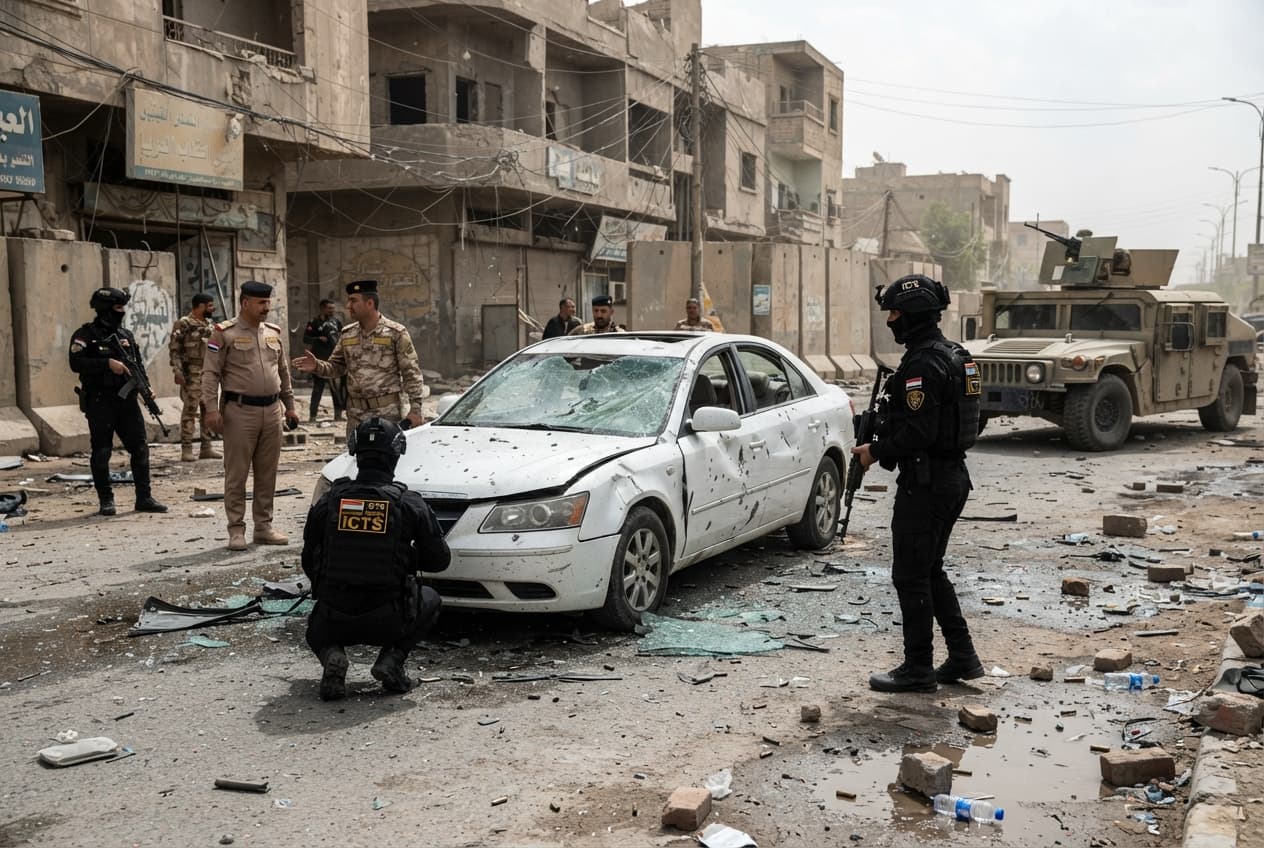
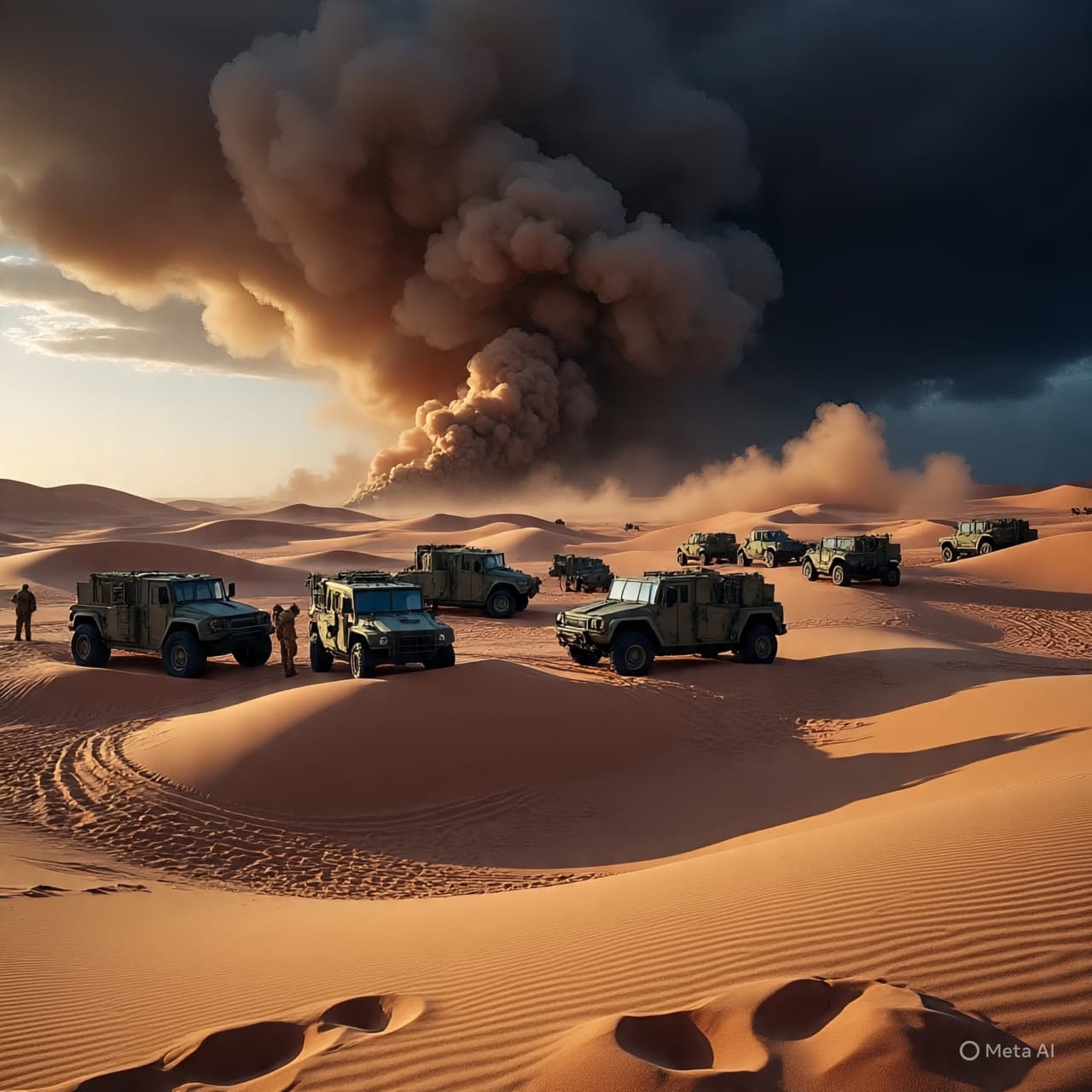
AI Image Disclaimer Images in this article are AI-generated illustrations, meant for concept only.
Source Check Credible mainstream coverage exists for this topic.
Sources (media names only):
Reuters The Guardian Euronews The Washington Post The Times
Published by Banx Network. This article is part of the Banx decentralized media programme, powered by the BXE token on the XRP Ledger.