Ceasefires are often imagined as clean lines drawn across conflict—sharp, decisive, and absolute. Yet in practice, they tend to resemble something more fragile: a thin layer laid over unsettled ground, where pressure still moves beneath the surface, and cracks appear not as surprises but as continuations of what came before.
In the ongoing war between Ukraine and Russia, both sides have accused each other of carrying out hundreds of ceasefire violations, underscoring the persistent instability that continues to define the front lines. The exchange of accusations reflects a broader pattern in which moments of declared restraint are repeatedly tested by localized clashes and competing interpretations of battlefield conduct.
The language of “violations” itself carries a kind of procedural weight, as though the conflict were temporarily governed by a shared rulebook whose pages are being turned differently by each side. Reports from both governments describe incidents of shelling, drone activity, and continued engagement along contested areas, each presenting its own account of where restraint ended and escalation resumed.
Within Ukraine, officials have characterized the alleged violations as evidence of continued pressure along key defensive lines, particularly in regions where control remains fluid and infrastructure remains vulnerable. In contrast, statements from Russia frame the situation as reciprocal, asserting that ceasefire conditions have also been breached by opposing actions. The divergence in narratives is not new, but its repetition reinforces the difficulty of establishing shared factual ground during active conflict.
Ceasefire agreements in such contexts often function less as endpoints and more as temporary frameworks—attempts to regulate intensity rather than eliminate it entirely. They create intervals in which diplomacy, military positioning, and information reporting intersect, each shaping how the other is understood. Even when violations are reported in large numbers, the existence of the ceasefire itself becomes part of the strategic landscape.
Observers of the conflict note that such exchanges of blame are common in prolonged wars, where communication channels remain active even as trust remains minimal. In this environment, information becomes both a tool and a terrain, with each side seeking to define not only what is happening, but how it should be interpreted by external audiences.
On the ground, the impact of continued hostilities—whether framed as violations or responses—extends into civilian life, where periods of relative quiet are often interrupted by renewed alerts and localized disruption. The uneven rhythm of conflict produces a landscape in which stability is partial, and uncertainty remains a constant presence.
As reports of violations accumulate, the broader question of ceasefire durability remains unresolved. Whether these agreements serve as stepping stones toward de-escalation or as brief pauses within a longer confrontation depends largely on whether mechanisms for enforcement, verification, and mutual trust can be strengthened over time.
In closing, the situation returns once more to its familiar tension: a declared pause that does not fully hold, and a conflict that continues to move within and around the boundaries meant to contain it. Between statement and reality, the ceasefire exists not as a fixed condition, but as a contested space—one that both sides continue to interpret, challenge, and redefine.
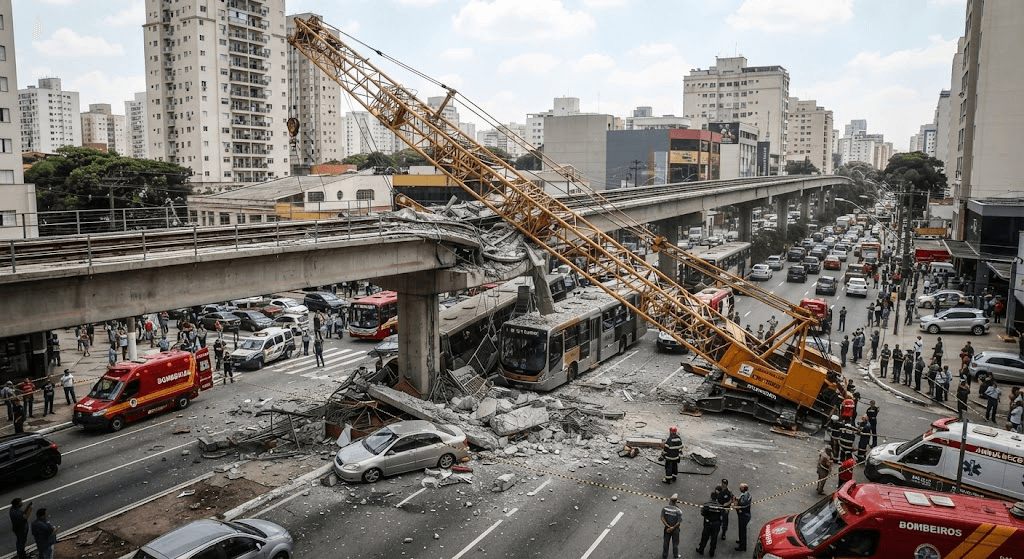
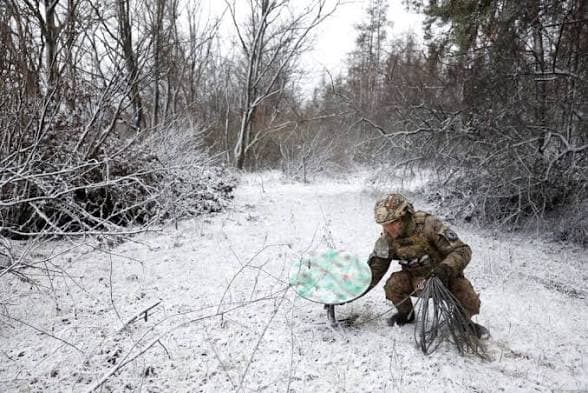
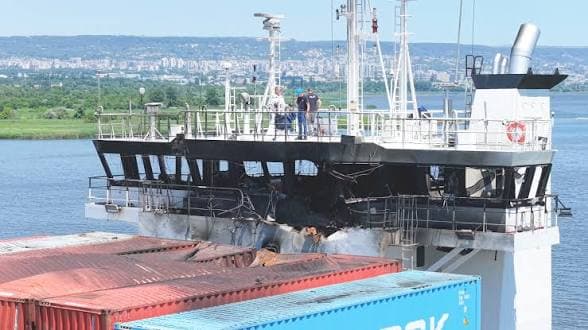
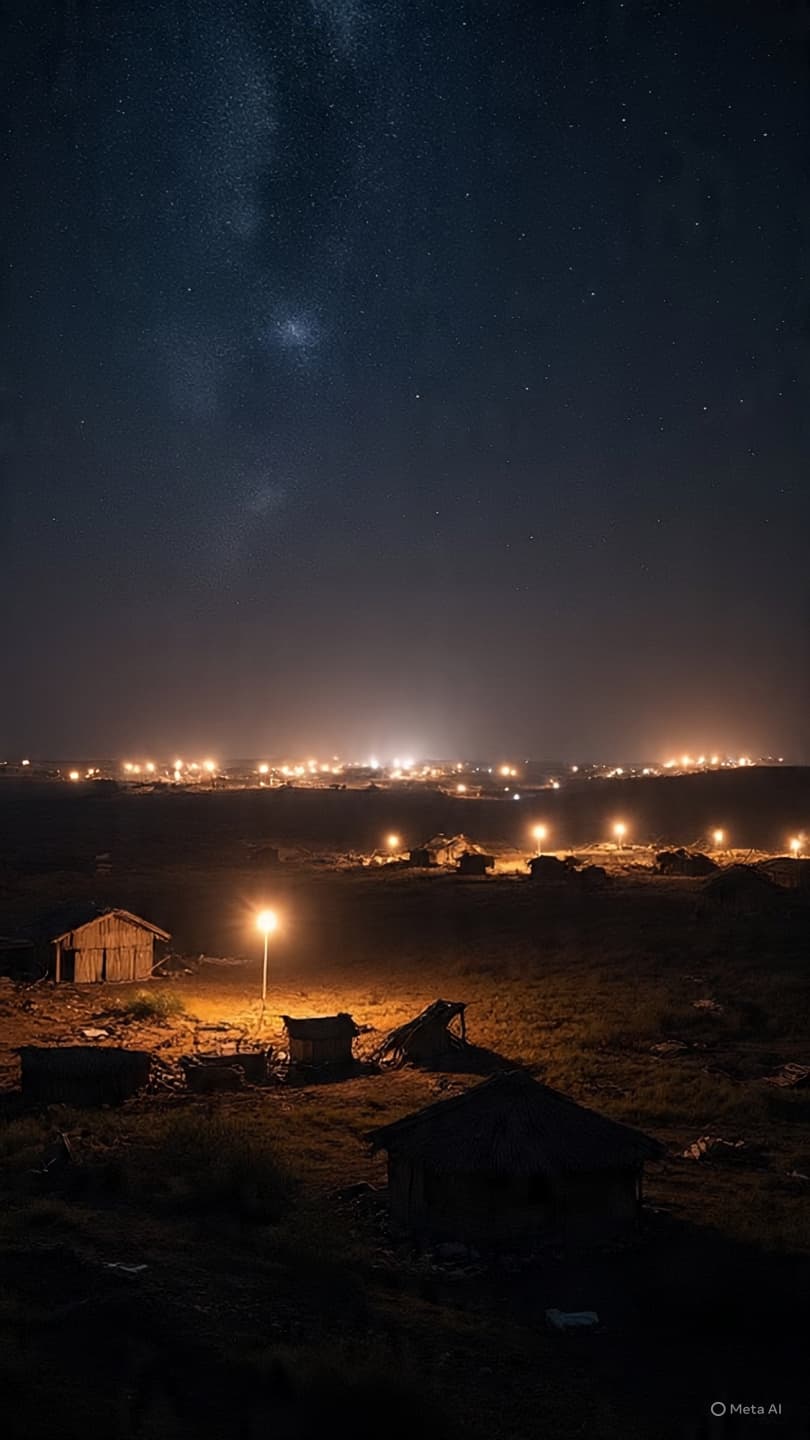
AI Image Disclaimer Visuals were generated using artificial intelligence tools and are intended as conceptual representations, not real photographs.
Sources : Reuters BBC News Associated Press Al Jazeera The Guardian
Published by Banx Network. This article is part of the Banx decentralized media programme, powered by the BXE token on the XRP Ledger.