
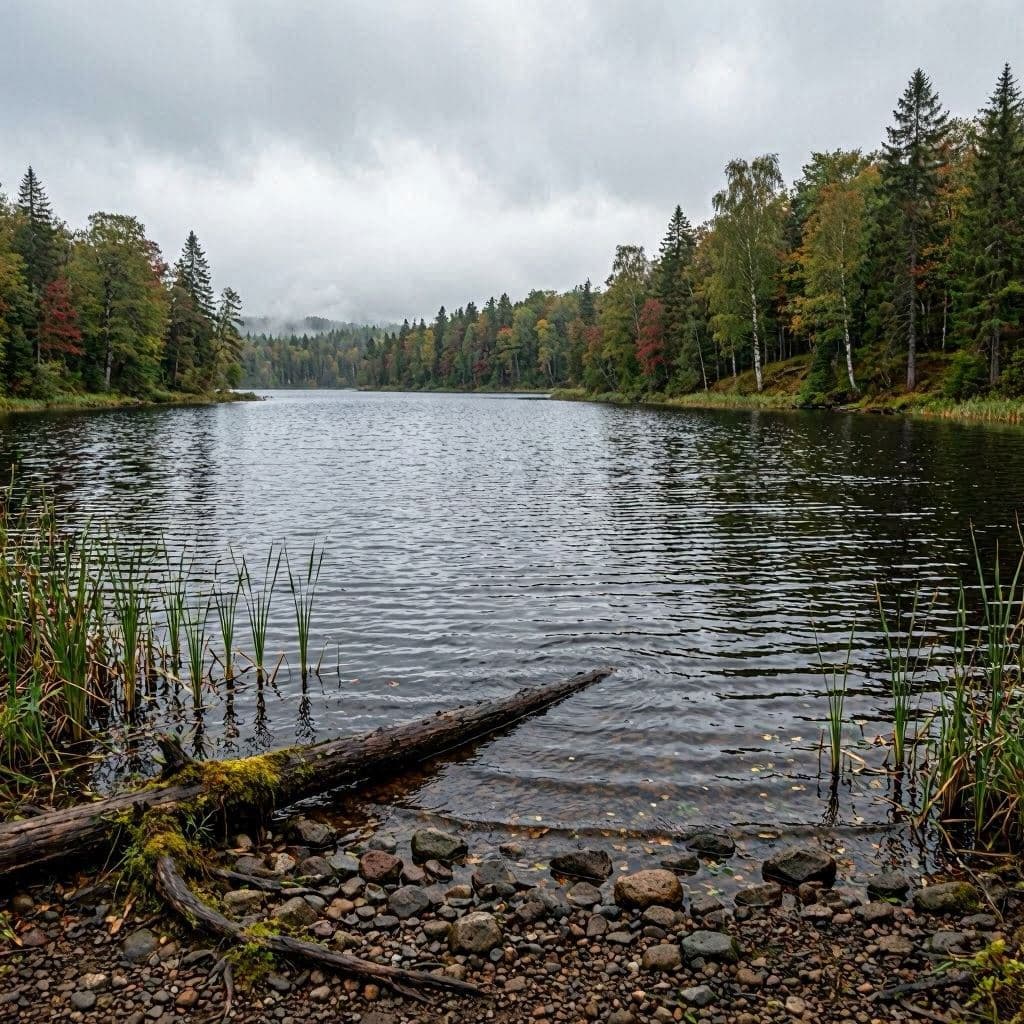
Lakes have often served as mirrors of the natural world, reflecting skies, forests, and seasons with quiet consistency. Yet scientists now report that many freshwater lakes across North America and Europe are gradually changing in appearance, revealing deeper shifts occurring within surrounding ecosystems.
Recent research indicates that numerous lakes in these regions are becoming darker, a phenomenon commonly referred to as "lake browning." The process is primarily linked to increased concentrations of organic matter and dissolved substances entering waterways from surrounding landscapes.
Researchers explain that darker water absorbs more sunlight and alters ecological conditions within lakes. Reduced light penetration can affect aquatic plants, disrupt food webs, and influence oxygen levels throughout freshwater ecosystems.
Several environmental factors contribute to this trend. Changes in precipitation patterns, land use, soil chemistry, and recovery from historical acid rain are all believed to play important roles in increasing organic material runoff into lakes.
Scientists emphasize that lake browning does not necessarily indicate pollution in every case. Instead, it often reflects complex interactions between climate, vegetation, soil processes, and watershed dynamics. Nevertheless, these changes can significantly affect ecosystem functioning.
Freshwater lakes provide numerous ecological and economic benefits, including drinking water, fisheries, recreation, and biodiversity support. Alterations to water quality may therefore carry consequences for both wildlife and human communities.
Long-term monitoring programs have proven essential in documenting these trends. By collecting environmental data over decades, researchers can identify subtle changes that might otherwise go unnoticed.
As investigations continue, scientists hope to better understand how freshwater ecosystems will respond to ongoing environmental change. The darkening of lakes serves as another reminder that even familiar landscapes are continually evolving.
AI Image Disclaimer: The visuals accompanying this article were created with AI assistance to illustrate environmental research findings.
Sources: ScienceDaily, Nature Communications, Environmental Research Letters, Reuters, Limnological Society publications
Published by Banx Network. This article is part of the Banx decentralized media programme, powered by the BXE token on the XRP Ledger.



