There are moments in economic history when pressure doesn’t arrive as a shock but as a slow tightening — a subtle constriction felt first in household routines before it shows up in national ledgers. Russia’s wartime economy, once fueled by rapid defense outlays and emergency industrial expansion, is now entering that quieter, heavier phase. The state, confronting rising costs and a cooling industrial surge, is looking inward for revenue. And for millions of Russians, that shift is becoming tangible.
For much of the conflict period, Moscow’s war-driven spending acted as a powerful stimulant. Factories hired at record speed, regions bustled with construction contracts, and government budgets stretched boldly to meet military demand. But a long war carries its own arithmetic. Growth from defense production is beginning to plateau, wages are struggling to keep pace with inflation, and the fiscal space that once felt wide now feels increasingly narrow.
Faced with this slowdown, the Kremlin has begun leaning more heavily on consumers. Taxes on goods, services, and personal spending are under quiet review across multiple regions. Proposals for broader revenue measures — including higher levies on everyday transactions — are circulating with a sense of inevitability rather than debate. In a system where state priorities outrank public consultation, households are learning that their role is shifting from beneficiaries of wartime economic momentum to contributors to its sustainability.
This recalibration reflects a deeper structural challenge. Russia’s industry, drilled into war footing, cannot indefinitely carry the weight of both production and fiscal resilience. Meanwhile, international sanctions continue choking investment channels, limiting the government’s alternatives. What remains is the domestic market: predictable, compliant, and large enough to absorb new costs, even reluctantly.
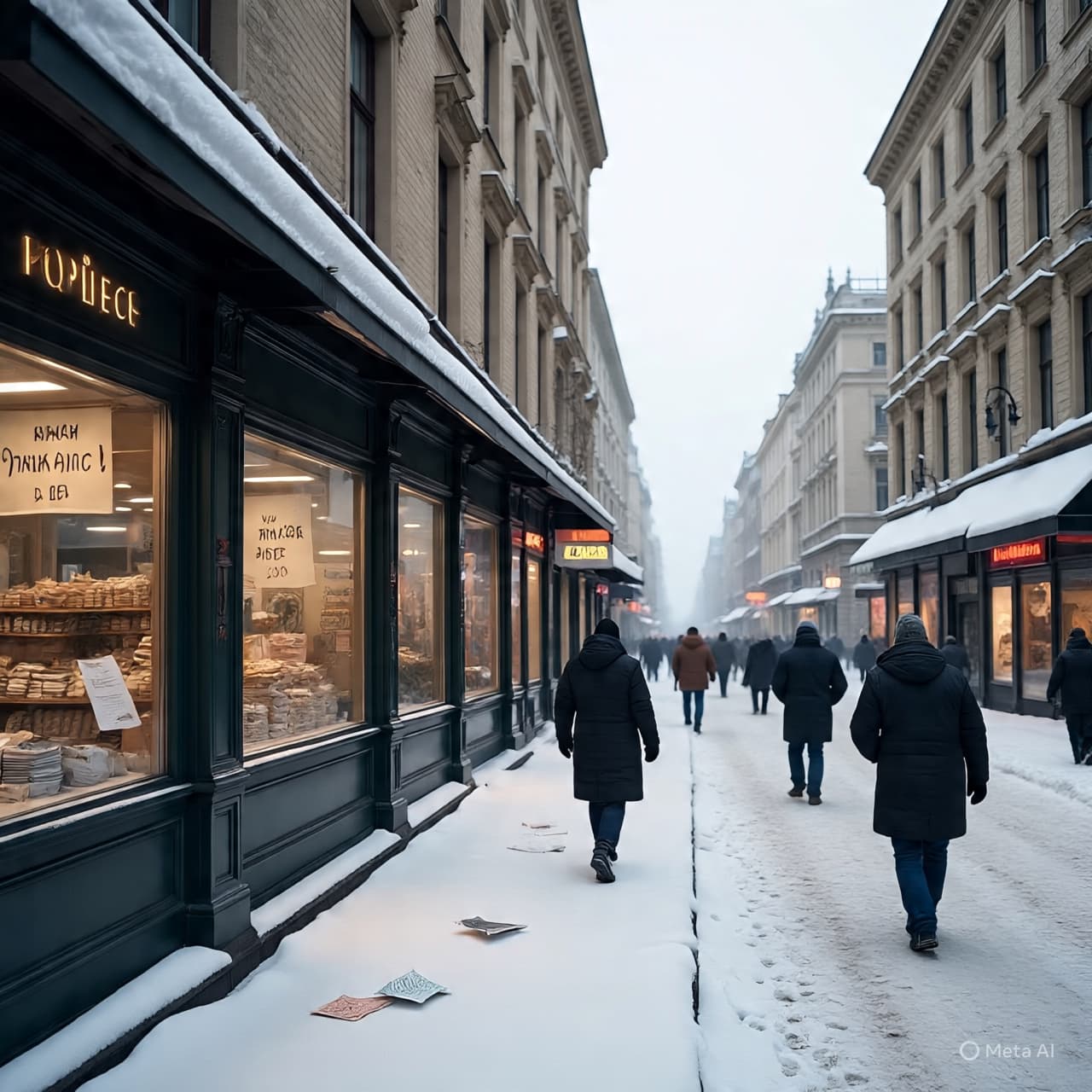
For ordinary families, the change shows up in small ways — higher prices, tighter credit, mandatory insurance adjustments, or revised service fees. None arrive with dramatic announcements, yet together they create a quiet financial pressure that speaks louder than any official statement. Economists note that such measures may stabilize short-term budget needs, but they risk weakening consumer confidence at a moment when internal demand is one of the few growth levers Russia still controls.
Published by Banx Network. This article is part of the Banx decentralized media programme, powered by the BXE token on the XRP Ledger.