
Key Highlights
- Increased Operations:The Finnish Border Guard has ramped up drone interception efforts along its eastern border.
- Technological Adaptation:New portable anti-drone systems are being deployed to enhance surveillance capabilities.
- Community Support:Local residents express approval of the heightened security measures.
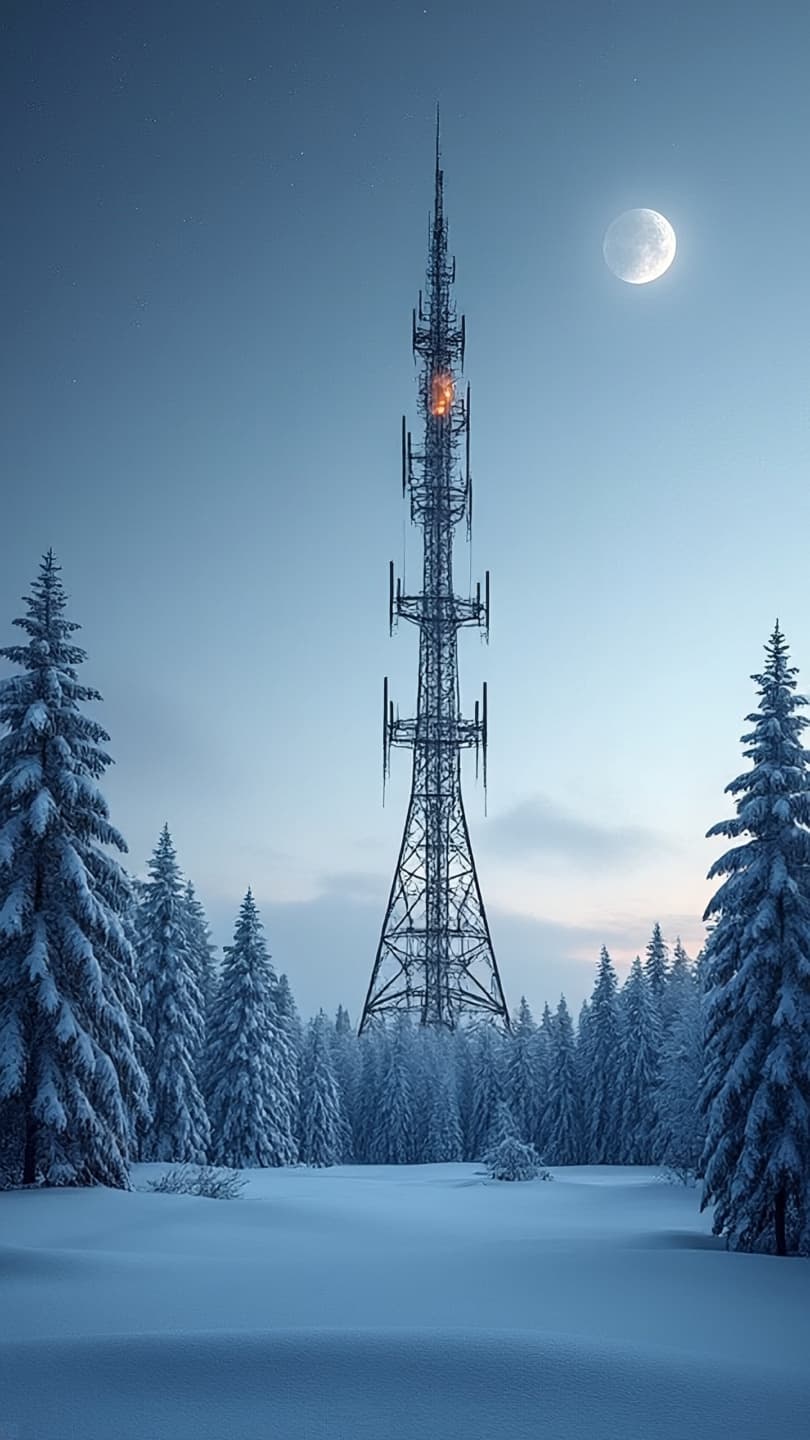
The border between the familiar and the unknown holds profound significance in Finnish culture, particularly along the eastern frontier. This area, characterized by its deep boreal forests and solitary birch trees, has long been a site of vigilance. Recently, however, the Finnish Border Guard has introduced a modern layer to this age-old narrative, integrating advanced technology into their operations to address evolving security challenges.
Historically, border security relied on traditional methods—footprints in the snow and the keen eyes of patrolling guards. Today, the Finnish Border Guard employs drone interception operations, marking a shift from physical surveillance to a more technological approach. This transition reflects a broader trend in national security, where the protection of borders increasingly involves monitoring aerial activity and utilizing sophisticated sensors to detect unauthorized incursions.
The recent increase in drone interception operations is not an act of aggression but a necessary adaptation to a complex and unpredictable global landscape. As the skies above Finland become busier with various aerial activities, the Border Guard's new measures aim to maintain peace and security in the region. The integration of technology into border security allows for a more nuanced understanding of potential threats, ensuring that the tranquility of the northern forests remains undisturbed.
Residents of the small communities along the eastern border have largely welcomed the increased presence of the Border Guard. Many understand that their safety is intrinsically linked to the integrity of the border. The deployment of portable anti-drone systems is viewed as a continuation of a longstanding commitment to protect their way of life. This sense of continuity is vital in a region where the landscape and its history are deeply intertwined with the identity of its people.
The drones monitored or intercepted by the Border Guard are perceived as intruders in a land that values its privacy and tranquility. By effectively managing these aerial threats, Finland asserts its sovereignty over its airspace, ensuring that the skies are as much a part of the nation as the land itself. This operation requires precision and patience, as the quietest threats often demand the most sophisticated responses.
As twilight descends over the Finnish landscape, the work of the Border Guard continues. Signals are tracked, sensors are monitored, and the forest remains a sanctuary of stillness. The border is not merely a line on a map; it represents a commitment to defend the peace of the land with every available tool. The Finnish Border Guard's proactive measures underscore the importance of adapting to new challenges while honoring the traditions that have long defined this region.
In summary, the Finnish Border Guard's enhanced drone interception operations along the 1,300-kilometer eastern border reflect a strategic response to hybrid threats. Officials emphasize that the primary goal is to prevent unauthorized aerial surveillance and safeguard national territorial integrity, ensuring that Finland remains vigilant in an increasingly complex security environment.
Published by Banx Network. This article is part of the Banx decentralized media programme, powered by the BXE token on the XRP Ledger.



