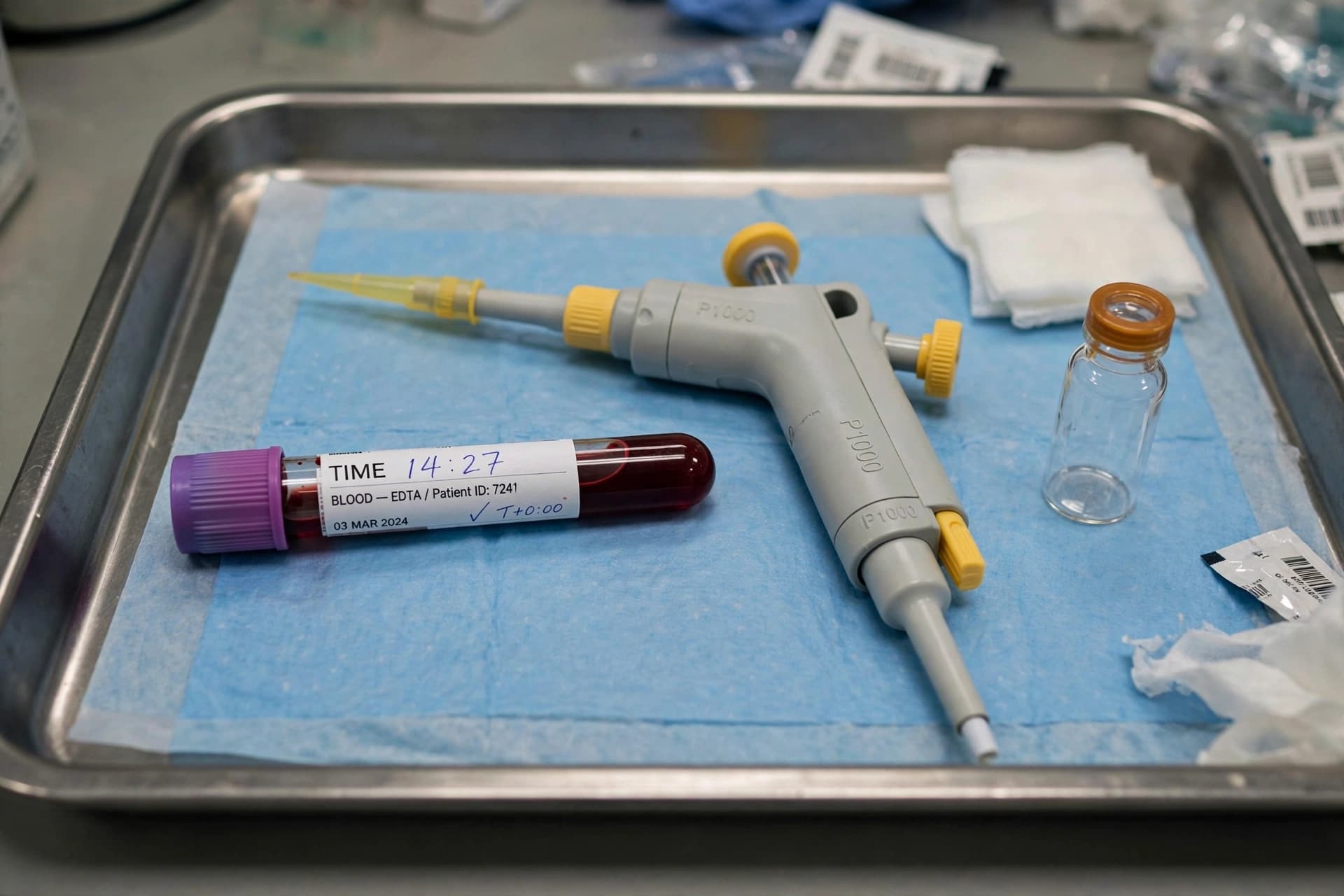
In a quiet corner of Europe, beneath the hum of everyday life, a startling discovery has emerged. Germany’s national public-health institute, the Robert Koch Institute (RKI), confirmed that a sample of sewage collected recently in the city of Hamburg contained a strain of wild poliovirus type 1 (WPV1). For a country declared polio-free decades ago, the moment felt like a whisper from history—an alert that global eradication remains fragile.
Germany, which last recorded a wild poliovirus infection in a person in 1990, has since relied on high vaccination coverage and rigorous monitoring. What makes this discovery both curious and reassuring is the context: no human cases have been reported, and experts assess the risk to the general public as “very low.” In other words, the virus was found not because someone became ill, but because the surveillance net worked.
The sample in question was collected in the first week of October from wastewater covering Hamburg and neighboring federal states. Because the detection comes from pooled sewage rather than a clinical case, the exact source—whether one individual or several—is unknown. Genetic sequencing indicates the strain is linked to a lineage previously identified in Afghanistan, one of the few countries where wild polio remains endemic.
Why does this matter? On the surface, Germany’s vaccination system stands strong, and surveillance tools are advanced. But the detection sends a clear message: polio anywhere is a threat everywhere. The virus does not respect borders, and the fact that it turned up in a continent declared polio-free reminds us that eradication is not a moment—it is a process.
This episode also highlights the crucial role of environmental surveillance. The fact that the virus surfaced in wastewater—rather than in a cluster of paralysis cases—suggests early warning systems can detect importation or circulation before disease manifests. It is a testament to preventive public health. Yet it also underscores how thin our margin for error might be: gaps in vaccination or latent chains of transmission can set the stage for resurgence.
The discovery invites reflection on two fronts. First, it prompts a renewed push on vaccination—ensuring that routine immunisation doesn’t slip, that no pockets of low uptake form, and that communities remain vigilant. Second, it serves as a reminder of global equity: as long as the wild virus circulates anywhere, countries that have long been free of it must sustain their defenses. Eradication is not an archive fact—it is a future commitment.
In the end, Germany’s finding is not a crisis—it is a caution. A single sample in a city sewer has become a marker that the world’s fight against polio remains incomplete, persistent, and shared. The RKI’s message is measured and sober: the risk today is low, but complacency is the greater danger. And in the quiet under-currents of wastewater flows, an ancient foe may yet signal its return.
Published by Banx Network. This article is part of the Banx decentralized media programme, powered by the BXE token on the XRP Ledger.

.jpg&w=3840&q=75 "September 2026 Was the Second-Warmest on Record, With Global Temperatures Above 1.5°C for a Second Month")