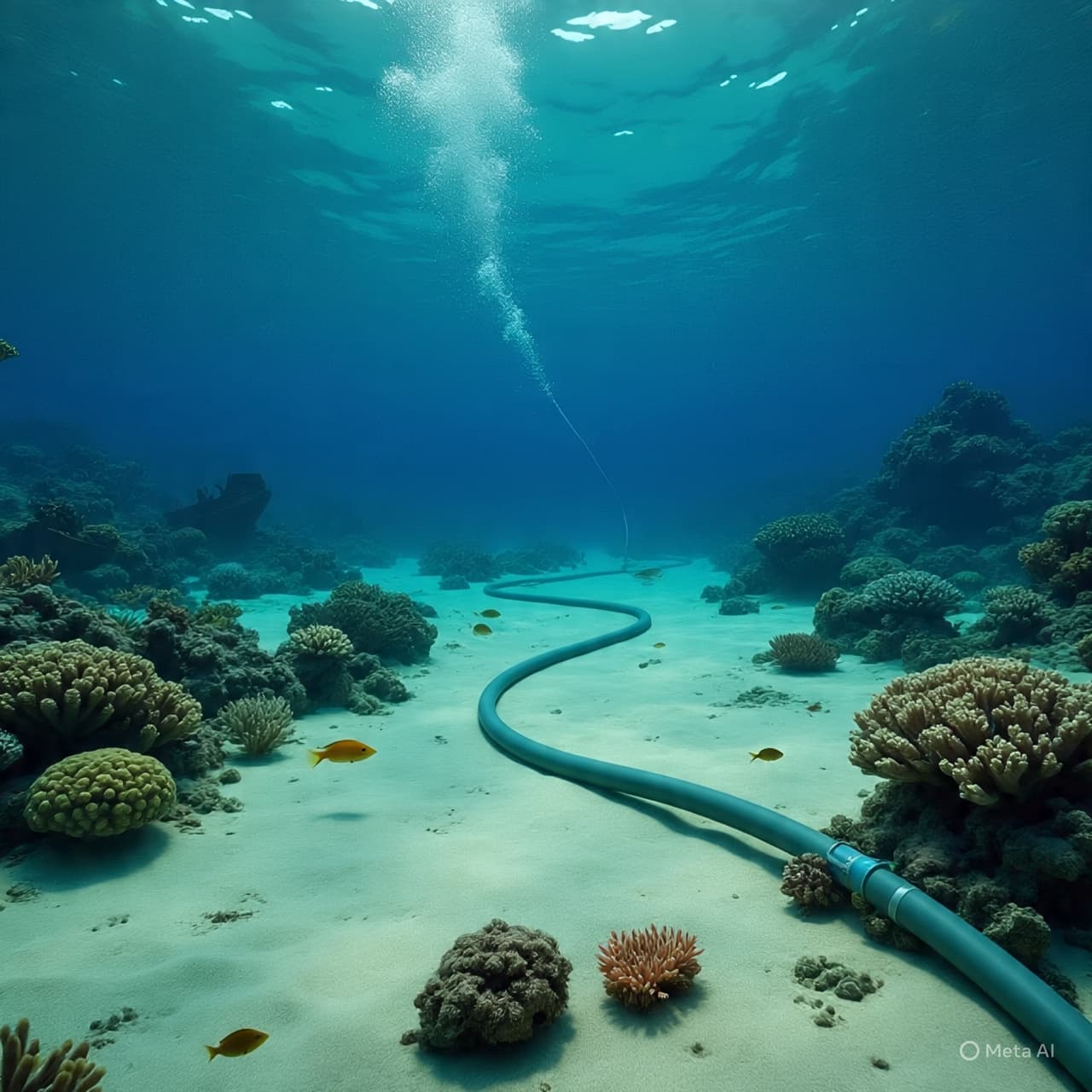
There was a time when the world spoke in fragments, when continents whispered rather than conversed, and distance felt like a permanent boundary rather than a temporary inconvenience. Beneath the ocean’s quiet surface, however, a different kind of story was unfolding—one of ambition, patience, and invisible threads stitching humanity closer together. The undersea cable, often unseen and rarely celebrated, became the silent architect of our connected age.
To imagine the internet without these cables is to imagine a sky without air traffic routes—possible in theory, but unrecognizable in practice. Long before satellites filled headlines, it was fiber-optic lines laid across the ocean floor that carried nearly all global internet traffic. These cables, stretching thousands of kilometers, transformed the ocean from a barrier into a bridge. They carried voices, financial transactions, news, and memories—encoded as pulses of light traveling at near unimaginable speeds.
Yet, like all infrastructure shaped by time, even the most vital systems must evolve. The cable now being retired was not merely a piece of technology; it was a chapter in the internet’s early expansion. Built in an era when global connectivity was still finding its rhythm, it served as a backbone for communication between continents, enabling economies to synchronize and cultures to intermingle. It bore the weight of an increasingly digital world, quietly adapting as demand surged year after year.
Its retirement does not signal failure, but rather transition. Newer cables, faster and more efficient, have begun to take its place—capable of carrying exponentially more data with lower latency. These modern successors reflect a world that no longer treats connectivity as a luxury, but as an essential utility. Streaming, cloud computing, and real-time global collaboration demand infrastructure that can keep pace with human expectation.
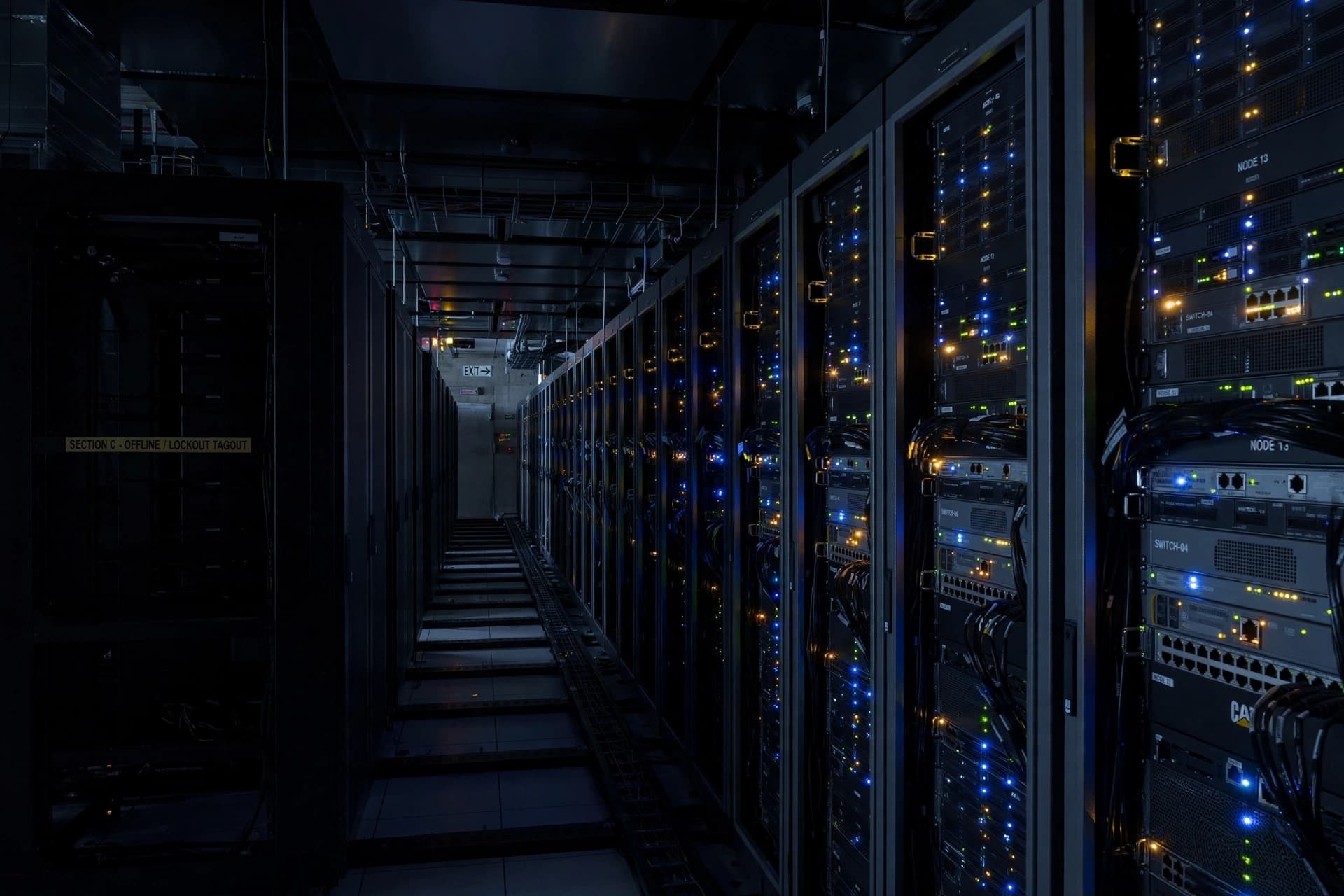
There is also a subtle shift in how we perceive the internet itself. Once considered a virtual space detached from the physical world, it is now understood as deeply rooted in tangible systems—cables, data centers, and energy grids. The retirement of an undersea cable reminds us that the digital realm is, in fact, grounded in physical realities. Progress is not only coded in software updates but also laid in steel and glass beneath the sea.
And so, as this cable fades into history, it leaves behind more than just a technical legacy. It leaves a reminder of how far the world has traveled—from hesitant connections to seamless communication. It invites a moment of quiet acknowledgment for the infrastructure that rarely demands attention, yet supports so much of modern life.
The ocean remains vast and silent, but beneath it, new lines are already being drawn—faster, stronger, and more capable. The story continues, not with an ending, but with a gentle turning of the page.
AI Image Disclaimer Illustrations were produced with AI and serve as conceptual depictions.
Source Check BBC The New York Times Wired The Verge Financial Times
Published by Banx Network. This article is part of the Banx decentralized media programme, powered by the BXE token on the XRP Ledger.