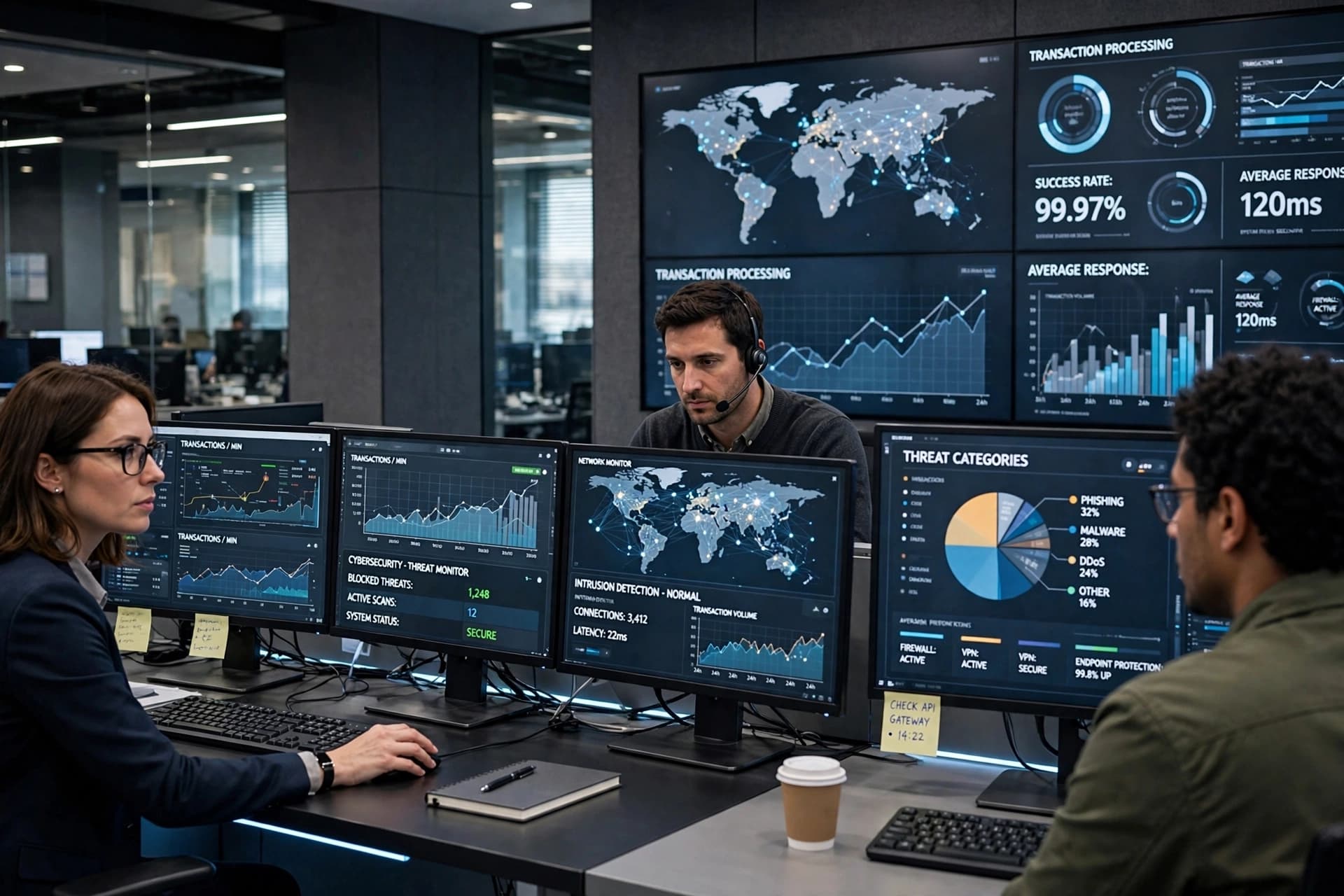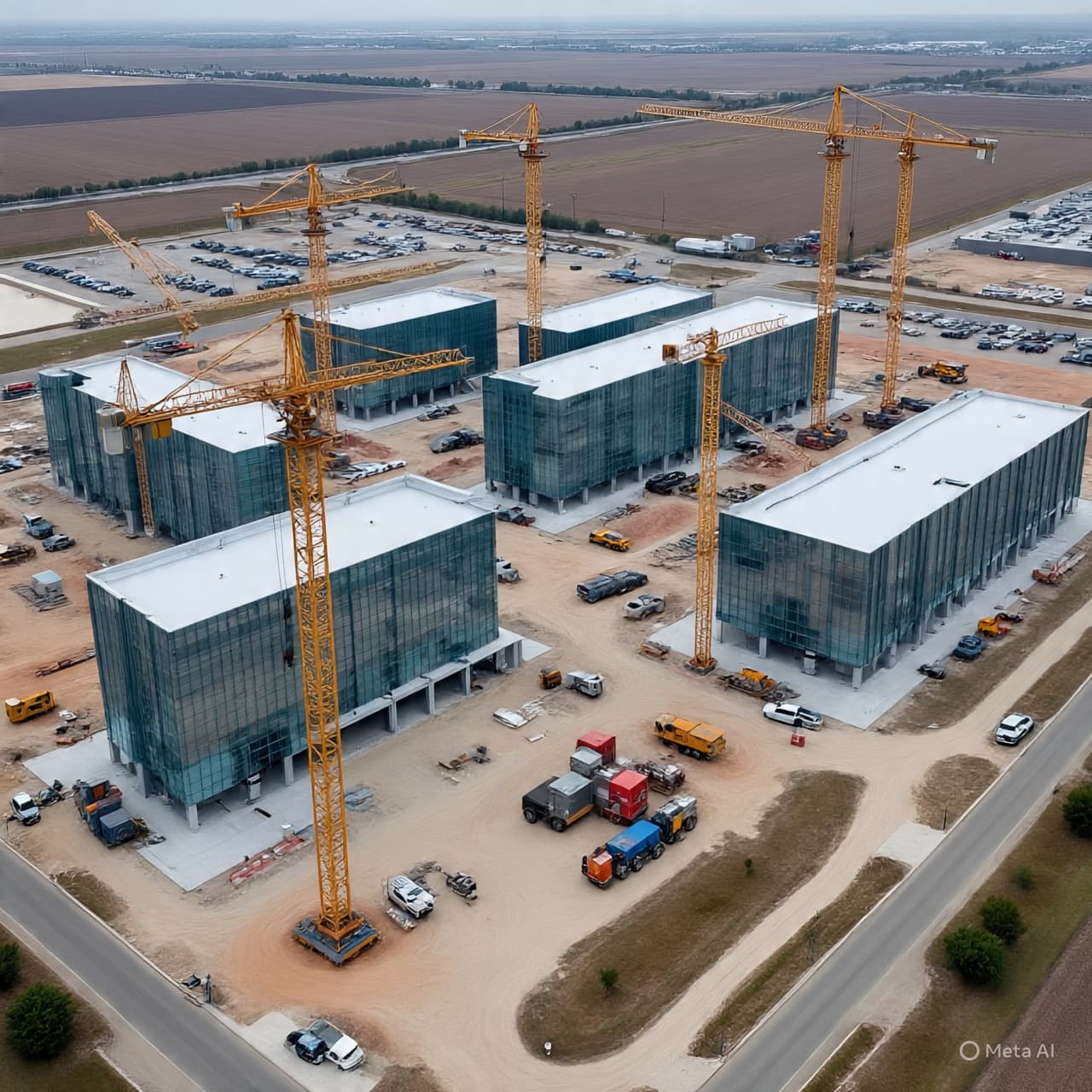
There are moments in the unfolding story of technological progress when the very scaffolds meant to enable that future seem, almost paradoxically, to slow it down. Imagine a vast tapestry of humming servers and glowing racks — the backbone of artificial intelligence, cloud computing, and digital innovation — poised for expansion, but held in limbo by forces as terrestrial and patient as land use approvals and electric wiring.
In 2025, construction of new data centers across the United States fell for the first time since 2020, even as global demand for artificial intelligence computing surged. According to industry data, capacity under construction dropped from roughly 6.35 gigawatts at the end of 2024 to about 5.99 gigawatts by year‑end, underscoring a shift in momentum for an industry that had seemed unstoppable.
This slowdown is not rooted in a lack of interest or capital — quite the opposite. Developers and tech firms are eager to build, spurred by AI workloads that drive demand for more storage, networking, and compute power. Instead, the bottlenecks lie in the very groundwork of development: permitting and zoning approvals that take months or years to secure, and the increasingly complex task of procuring sufficient and reliable power.
In traditional data center hubs like northern Virginia, stringent local regulations and rising community concerns have added friction to approval processes. In some regions, vacancy rates have dipped to record lows, yet prospective projects struggle to move beyond planning stages due to unresolved power connections and regulatory hurdles.
The challenge of securing grid power has emerged as a central theme. Data centers require vast amounts of electricity — especially AI‑optimized facilities — and utilities have found themselves under strain as they balance new demand with broader grid stability goals. In parts of the country, developers are now looking to locations with more readily available land and energy infrastructure, reshaping long‑standing geographic patterns in data center investment.
Meanwhile, local voices have increasingly made themselves heard. From slowing approval timelines to raising concerns about resource consumption and quality of life impacts, community engagement has added a layer of complexity to projects that once might have advanced with minimal public scrutiny.
Taken together, these trends portray an industry at an inflection point. Though the promise of AI and cloud computing continues to drive demand, the practical realities of building the physical infrastructure — from planning boards to power substations — reveal how progress often unfolds not in leaps, but in careful, negotiated steps. In the intersection between ambition and infrastructure, the blueprint of the future must still contend with the ordinances and wires of today.
AI Image Disclaimer (Rotated Wording) “Visuals are created with AI tools and are not real photographs.”
Sources (Major News) Bloomberg, Broadband Breakfast, Oklahoma Energy Today, Sharecafe.
Published by Banx Network. This article is part of the Banx decentralized media programme, powered by the BXE token on the XRP Ledger.