
Key Highlights
- AR Technology:Augmented reality is reshaping consumer choices in 2025.
- Psychological Shift:The technology now focuses on reducing consumer doubt.
- Immersive Experiences:Brands are prioritizing product simulation over traditional advertising.
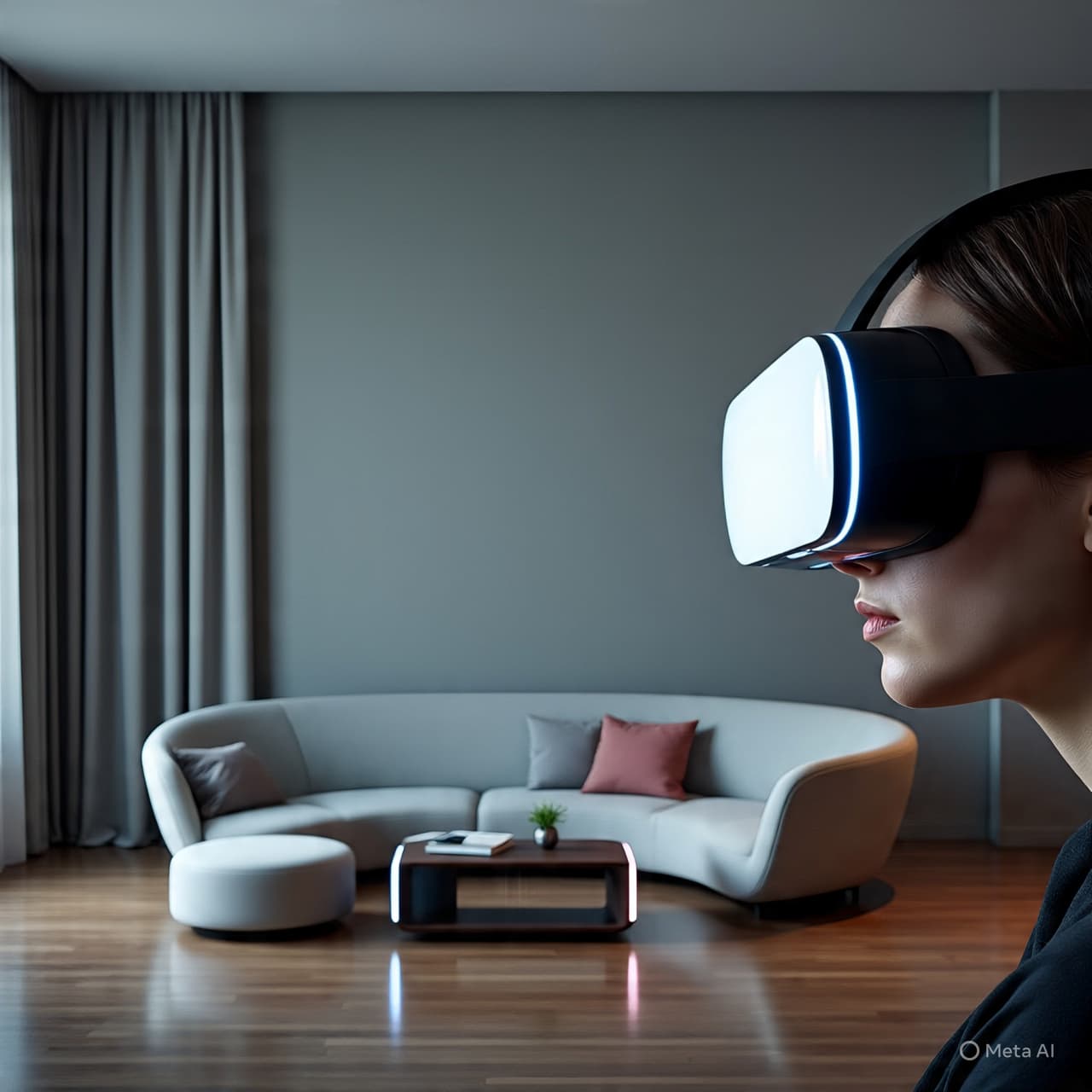
In 2025, the landscape of shopping has undergone a radical transformation. No longer does the journey begin with a search bar; instead, it starts in the comfort of one's living room, where augmented reality (AR) technology has become an integral part of the consumer experience. Once considered a mere novelty, AR has matured into a powerful tool that fundamentally alters how consumers make purchasing decisions.
The evolution of AR is not solely about technological advancements; it also reflects a significant shift in consumer psychology. Today, AR is designed to eliminate uncertainty rather than simply impress users. This change is pivotal, as it allows consumers to engage with products in a more meaningful way, fostering trust and confidence in their choices.
Brands across various industries are adapting to this new reality by moving away from traditional persuasive marketing tactics. Instead, they are embracing a model that emphasizes simulation and experiential engagement. By allowing consumers to virtually interact with products before making a purchase, companies are creating a quieter, more assured form of commerce. This approach feels less like conventional advertising and more like a preview of a future self, where consumers can envision how products will fit into their lives.
The implications of this shift are profound. As AR technology becomes more accessible and integrated into everyday life, consumers are likely to demand more immersive experiences. Retailers and brands that can effectively leverage AR will not only enhance customer satisfaction but also build long-term loyalty. The ability to visualize products in a personal context empowers consumers, making them feel more in control of their purchasing decisions.
Moreover, this transformation is not limited to retail. Industries such as real estate, automotive, and even healthcare are beginning to explore the potential of AR to enhance consumer engagement. For instance, potential homebuyers can take virtual tours of properties from their living rooms, while car buyers can visualize vehicles in their driveways before making a decision. This trend signifies a broader movement towards personalized and interactive consumer experiences.
As we look ahead, the role of AR in shaping consumer behavior will likely continue to expand. The technology's ability to bridge the gap between the digital and physical worlds presents exciting opportunities for brands willing to innovate. In this new era of commerce, the focus will be on creating authentic connections with consumers, fostering trust, and ultimately enhancing the shopping experience.
In conclusion, the rise of augmented reality in 2025 marks a significant turning point in how consumers approach shopping. By prioritizing immersive experiences over traditional advertising, brands are not only reshaping consumer choices but also redefining the future of retail.
Published by Banx Network. This article is part of the Banx decentralized media programme, powered by the BXE token on the XRP Ledger.



