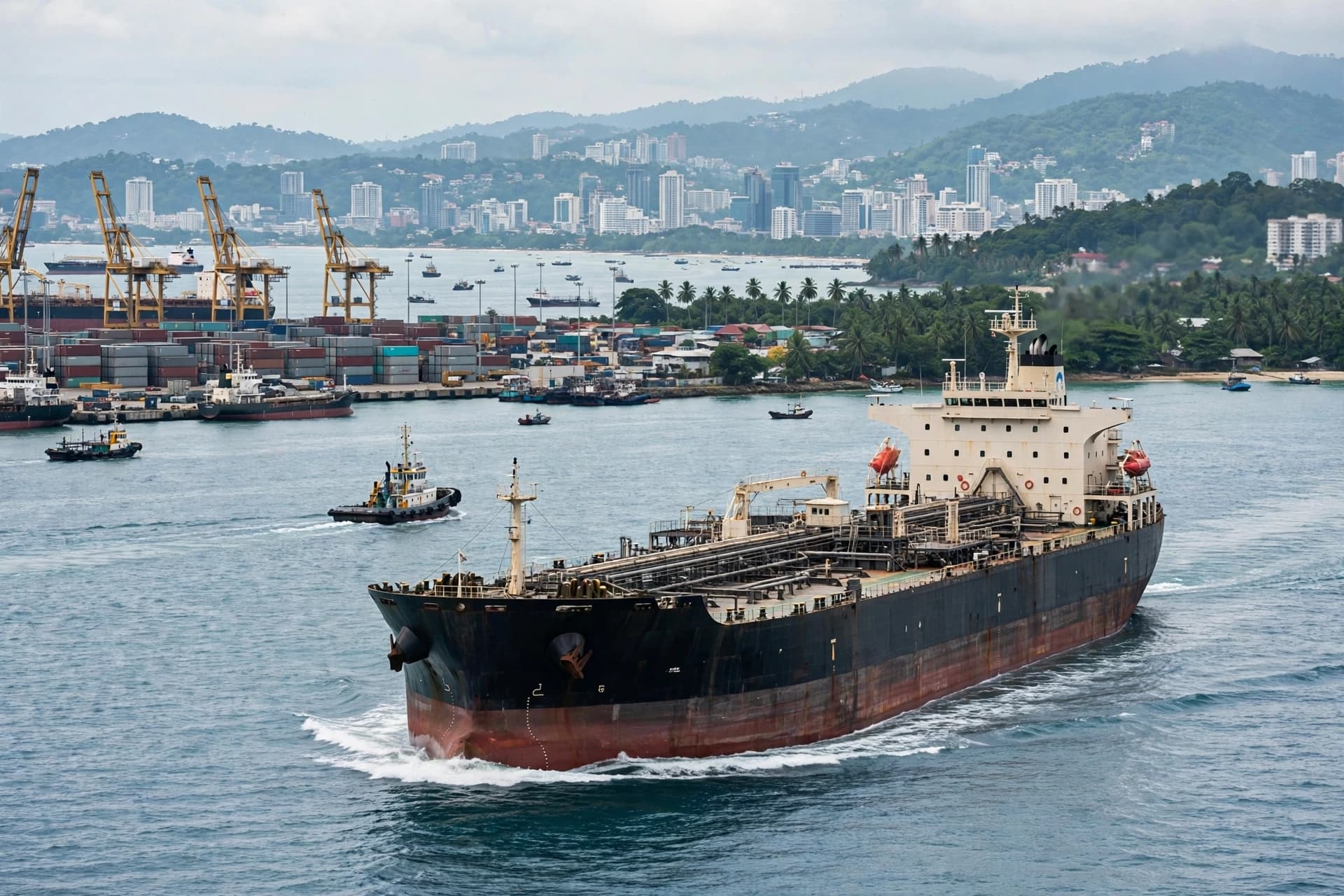
There is a rhythm to modern life that we rarely notice until it begins to shift — the cadence of orders placed, boxes packed, and products carried across oceans to eventually rest on store shelves. That rhythm carries with it a kind of quiet certainty, a gentle promise that the goods we use and depend on will continue to arrive. Yet recently, that cadence has grown uneasy, like a familiar song played a half-step out of tune, signaling that something in the background has changed.
In late 2025 and the early weeks of 2026, businesses around the world began to speak with increased urgency about a challenge hidden beneath the surface of everyday trade: soaring shipping and logistics costs that are rippling through supply chains and, soon enough, through the prices paid by consumers. A recent survey by the Chartered Institute of Procurement and Supply (CIPS) — an international trade body representing thousands of procurement professionals — found that concerns about disruption to global supply chains are now at their highest in two years, as costs for transporting goods continue to rise.
Those rising costs are not abstract. At the heart of the issue are transport, energy, raw materials, and especially shipping and logistics, where many firms reported cost increases of more than 10 percent by the end of 2025. Nearly a fifth of respondents cited significant price rises for computers and peripherals, transport equipment, and electrical goods. These increases have already shown up in the marketplace, with some technology brands lifting laptop prices noticeably late last year.
Behind these figures lie changing patterns in global trade, geopolitical tensions, and lingering disruptions since the pandemic that continue to make the flow of goods less predictable than it once was. Procurement specialists warn that uncertainty and price volatility may no longer be exceptional, but could become woven into the structure of international commerce itself. In this context, the cost of moving a container from one side of the world to the other has lifted sharply, contributing to a broader expectation of inflationary pressure that eventually reaches everyday shoppers.
For many families, this shift may feel like a distant story — a matter of freight rates and corporate ledgers. But the connection between a container ship arriving at port and the goods purchased in local stores is intimate. When the cost to transport raw materials and finished products rises, companies face a choice: absorb those costs or pass them on. In many cases, the latter becomes inevitable, particularly for items where margins are already tight and competition is global.
Some economists note that fluctuating freight rates have historically filtered through to consumer prices over time, even if the effect in any one period appears moderate. A rise in shipping costs may contribute directly to inflation in manufactured goods and consumer prices, especially when sustained rather than fleeting.
It is this slower, less visible progression of costs that concerns those who pay close attention to what was once called the “hidden” side of inflation. If shipping expenses continue to climb or remain volatile, households may begin to see this trend reflected in a wide range of products, from electronics and appliances to everyday goods.
The world of global trade is complex and always moving, shaped by forces that span weather, geopolitics, and economic policy. But behind every shipment and every increase in transport cost is a human story: a family budgeting for the week’s groceries, a small business owner calculating margins, a young professional looking to replace worn-out technology. The journey from cargo hold to cash register is rarely seen, yet its impact is shared.
In its most recent study, CIPS cautioned that these pressures are unlikely to dissipate quickly, and that “cracks” in the global trading system are becoming more visible — cracks that, if left unchecked, could mean higher prices for consumers throughout 2026.
AI Image Disclaimer Visuals are created with AI tools and intended for conceptual representation, not actual photographs.
Sources : The Guardian Sky News Yahoo News UK PressNewsAgency The Independent
Published by Banx Network. This article is part of the Banx decentralized media programme, powered by the BXE token on the XRP Ledger.