Beneath the endless white expanse of Antarctica, where ice sheets stretch toward the horizon and temperatures plunge to extremes, life persists in forms that defy our conventional understanding. For decades, this frozen continent was viewed as a biological desert, a place too harsh for complex organisms to thrive. Yet, in the hidden pockets of subglacial lakes and ancient sediments, scientists have discovered a microscopic world entirely unique to this region. These microbes, isolated for millions of years, offer a glimpse into the resilience of life and the potential for biology in the most unforgiving environments.
The discovery of these distinct microbial communities challenges the notion that extreme cold equates to sterility. Instead, it reveals a vibrant, albeit invisible, ecosystem operating in the dark, pressurized depths beneath the ice. These microorganisms have evolved specialized mechanisms to survive without sunlight, relying instead on chemical energy derived from the rocks and minerals surrounding them. This process, known as chemosynthesis, allows them to flourish in conditions that would be lethal to most other forms of life.
What makes these microbes particularly significant is their genetic uniqueness. Having been cut off from the rest of the planet’s biosphere for eons, they have followed an evolutionary path distinct from any other known lineage. Their DNA holds secrets about how life adapts to isolation and extreme stress, providing valuable insights into the fundamental limits of biological survival. Studying them is akin to reading a lost chapter of Earth’s biological history.
Furthermore, these findings have profound implications for astrobiology. If life can persist in the dark, frozen depths of Antarctica, it raises the possibility that similar organisms could exist in the subsurface oceans of icy moons like Europa or Enceladus. The Antarctic microbes serve as an analog for extraterrestrial life, helping scientists refine the tools and strategies used to search for biology beyond our planet.
The research also highlights the importance of preserving these pristine environments. As climate change accelerates the melting of Antarctic ice, there is a risk that these isolated ecosystems could be disturbed or contaminated by external microbes. Protecting these subglacial habitats is crucial not only for scientific study but for maintaining the integrity of one of Earth’s last true wildernesses.
Scientists use advanced drilling techniques and sterile protocols to access these hidden worlds, ensuring that the samples they retrieve remain uncontaminated. Each sample is a precious artifact, offering data that cannot be obtained anywhere else. The meticulous care taken in these expeditions reflects the reverence with which researchers approach this fragile and mysterious domain.
Beyond the scientific data, there is a philosophical dimension to these discoveries. They remind us that life is not confined to the temperate zones we inhabit but is a pervasive force capable of adapting to nearly any niche. The existence of these unique microbes expands our definition of habitability, encouraging a more inclusive view of where life can take root.
As we continue to explore the depths of the Antarctic ice, we are likely to find even more surprises. Each new species discovered adds to our understanding of biodiversity and evolution. It is a testament to the enduring mystery of our own planet, which still holds secrets in its coldest, darkest corners.
The identification of unique microbes in Antarctica underscores the resilience and diversity of life on Earth. These discoveries not only expand our knowledge of terrestrial biology but also inform our search for life elsewhere in the universe. As we protect these fragile ecosystems, we preserve a vital key to understanding the adaptability of life itself.
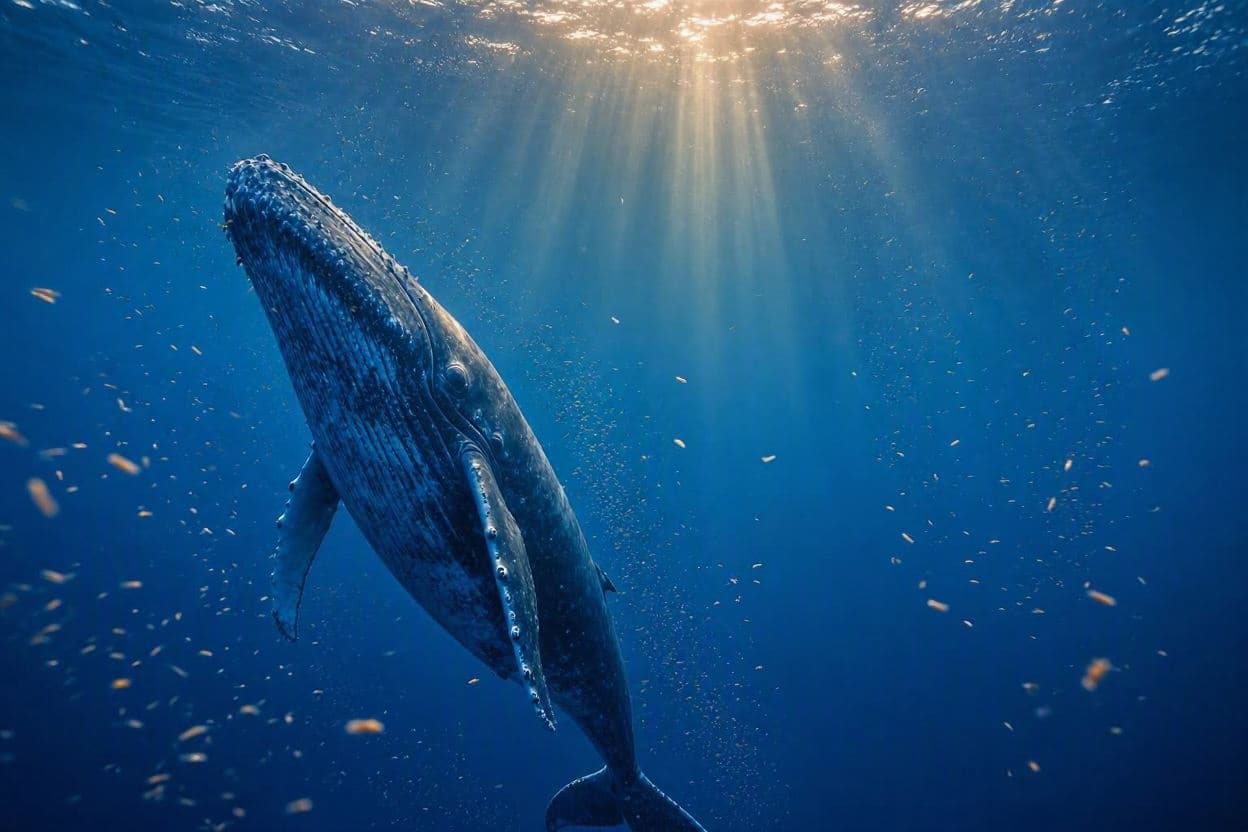
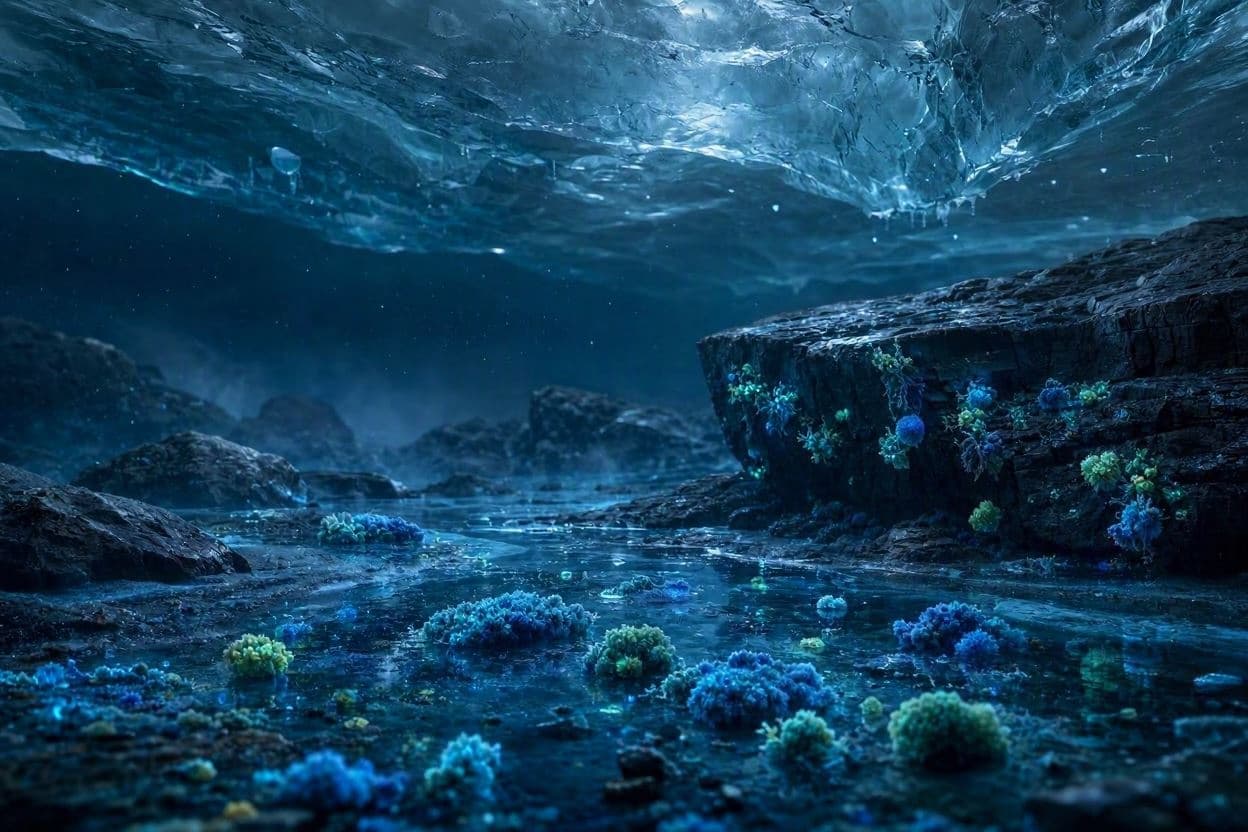
AI Image Disclaimer: The visual representations accompanying this article are AI-generated interpretations designed to visualize the concept of microscopic life in subglacial Antarctic environments.
Sources: Nature Microbiology Proceedings of the National Academy of Sciences Scientific American
Published by Banx Network. This article is part of the Banx decentralized media programme, powered by the BXE token on the XRP Ledger.