
Key Highlights
- Cyber Heist:North Korean hackers stole over $2 billion in cryptocurrency in 2025.
- Global Impact:The theft raises concerns about cybersecurity and financial security worldwide.
- State Strategy:Analysts suggest the stolen funds support North Korea's missile program and import operations.
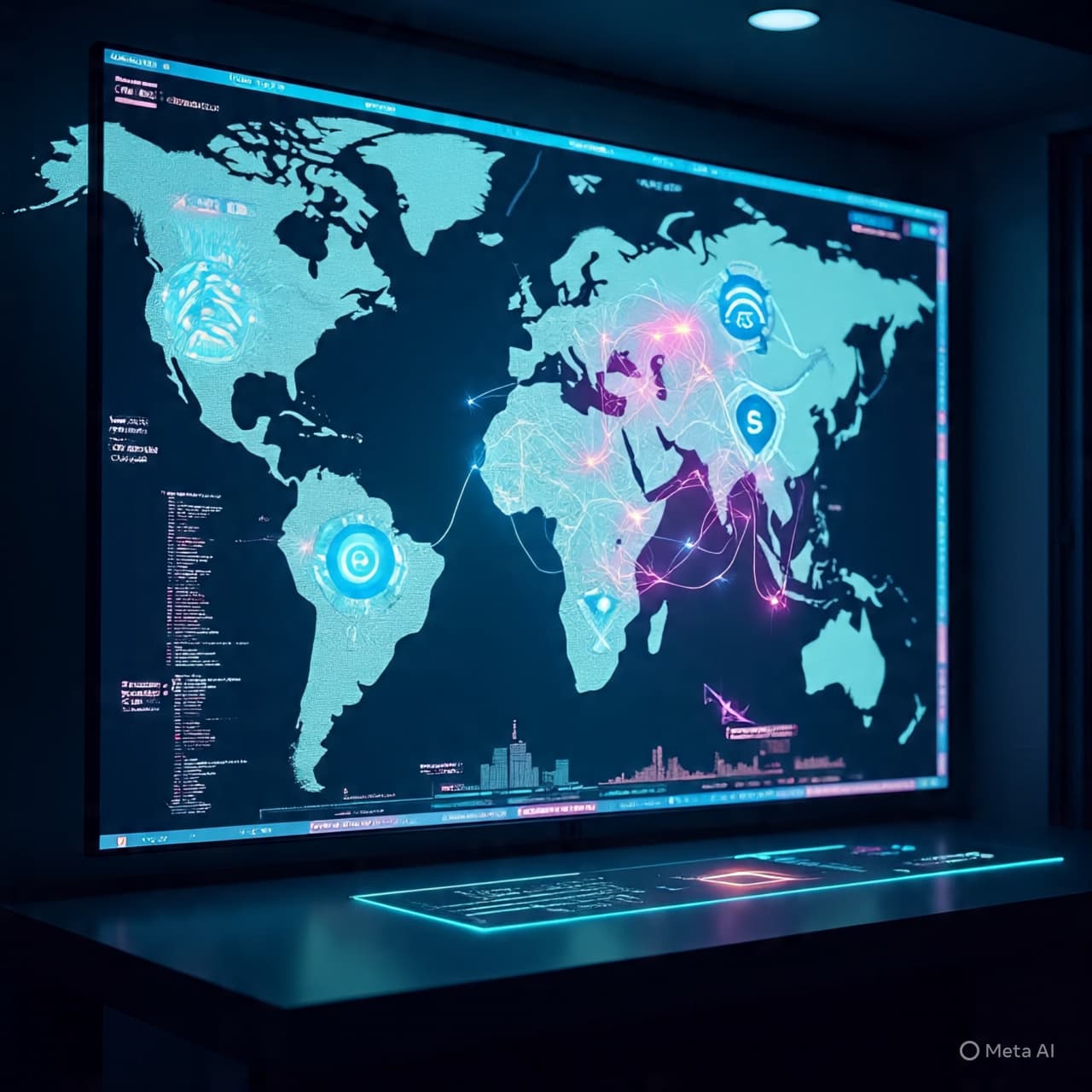
In 2025, a significant cyber heist shook the global financial landscape as North Korean hackers breached cryptocurrency exchanges and wallets, stealing over $2 billion. This incident marks one of the largest recorded thefts in the history of digital currencies, highlighting the vulnerabilities within the blockchain ecosystem. Investigators have linked the operation to state-sponsored groups employing advanced social engineering tactics and sophisticated malware to execute their plans.
The implications of this theft extend beyond mere financial loss. For North Korea, a nation heavily sanctioned and isolated from traditional financial markets, digital theft has evolved into a critical strategy for survival. Analysts suggest that the funds acquired through these cyber operations are likely funneled into the regime's missile development programs and other import activities, thereby sustaining its military ambitions despite international sanctions.
The global community is left to grapple with the ramifications of such cyber activities. As the world watches, the blockchain technology underlying cryptocurrencies serves as an immutable ledger, recording every transaction and leaving a digital trail that can be traced back to the perpetrators. This aspect of blockchain technology poses both a challenge and an opportunity for law enforcement agencies and cybersecurity experts as they work to combat such sophisticated cyber threats.
Reports from the United Nations and industry experts, including Chainalysis and cybersecurity firms, have corroborated the scale of this theft, emphasizing the need for enhanced security measures across digital platforms. The incident has sparked discussions on the necessity of international cooperation in cybersecurity, as the borders of traditional warfare blur in the face of digital threats.
As nations continue to navigate the complexities of cybersecurity, the case of North Korean hackers serves as a stark reminder of the evolving nature of warfare in the 21st century. The intersection of technology and geopolitics will likely shape the future of international relations and security strategies.
Published by Banx Network. This article is part of the Banx decentralized media programme, powered by the BXE token on the XRP Ledger.



