The universe is not silent; it hums with a background radiation that has puzzled cosmologists for years. This low-frequency radio signal, detected across the sky, has no obvious source in the modern era. Now, a intriguing theory suggests that this cosmic hum may be the echo of "dark stars," hypothetical ancient objects powered by dark matter rather than nuclear fusion. If true, it would rewrite the history of the early universe and offer a glimpse into the invisible architecture of cosmos.
Dark stars are a theoretical concept proposed to explain how the first stars formed. Unlike ordinary stars, which shine by fusing hydrogen into helium, dark stars would have been heated by the annihilation of dark matter particles. This process could have allowed them to grow to immense sizes without collapsing, emitting a unique signature of radiation that might still be detectable today as a faint background noise.
The recent study connects this theoretical model to the observed radio excess, known as the ARCADE 2 anomaly. Previous attempts to explain this signal blamed instrument error or unresolved galaxies, but the dark star hypothesis offers a coherent physical mechanism. It suggests that these ancient behemoths lived fast and died young, leaving behind a residual glow that permeates the universe.
This idea bridges two of the biggest mysteries in physics: the nature of dark matter and the formation of the first structures in the universe. If dark matter particles are their own antiparticles, their annihilation could release enough energy to power a star. This would make dark stars visible in radio wavelengths, even if they are invisible in optical light.
Critics remain skeptical, noting that dark stars have never been directly observed. However, the predictive power of the model is compelling. It provides a testable hypothesis that can be investigated with next-generation radio telescopes, such as the Square Kilometre Array (SKA). These instruments will have the sensitivity to distinguish between different sources of the cosmic hum.
The implications for cosmology are significant. If dark stars existed, they would have influenced the reionization epoch, the period when the first light broke through the cosmic dark ages. Understanding their role could help explain why the universe looks the way it does today, from the distribution of galaxies to the abundance of heavy elements.
For now, the dark star theory remains one of several contenders. Other explanations include primordial black holes or exotic particle decay. Yet, the elegance of the dark star model lies in its ability to solve multiple problems at once, offering a unified narrative for the early universe’s evolution.
As research continues, the search for the source of the cosmic hum becomes a quest for origins. It reminds us that even after billions of years, the universe still holds secrets in its deepest whispers. Listening to this hum is like listening to the birth cry of the cosmos itself.
Scientists are preparing new observations to test the dark star hypothesis, hoping to confirm or refute this tantalizing possibility. Until then, the cosmic hum remains a mysterious melody from the dawn of time.
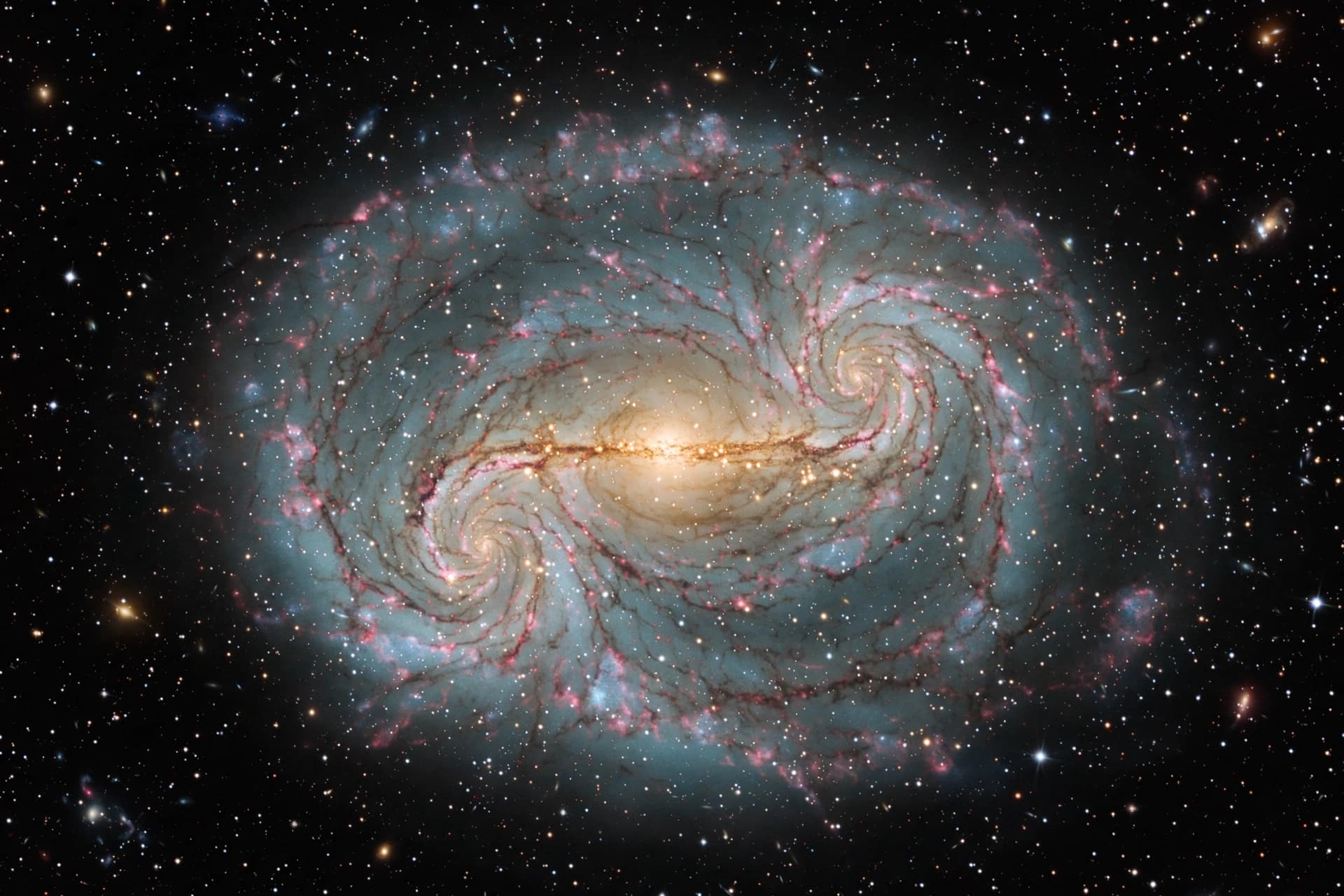
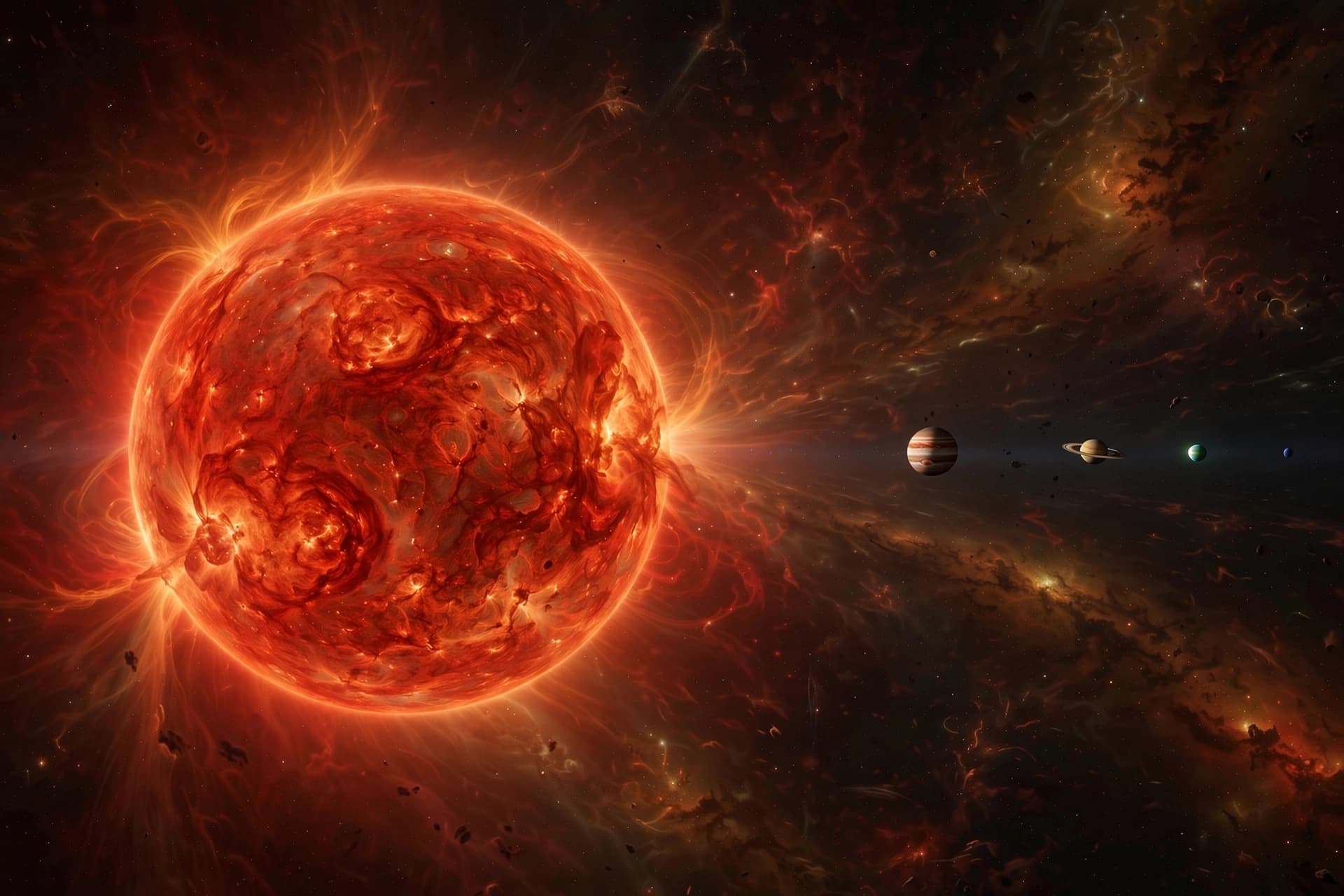
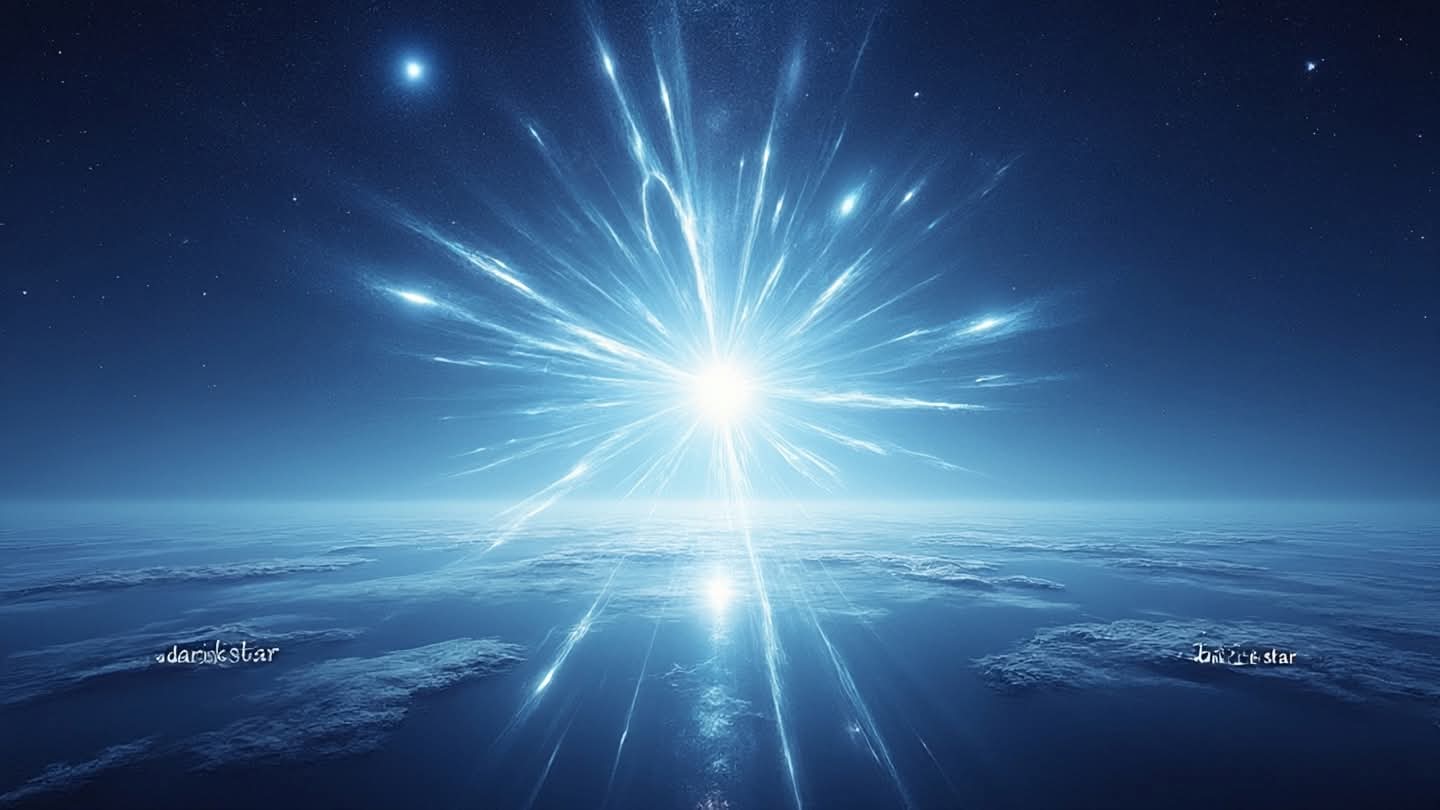
AI Image Disclaimer: Please be aware that any images accompanying this article are AI-generated illustrations designed to evoke the themes of early universe cosmology and hypothetical dark stars.
Sources: The Astrophysical Journal New Scientist Space.com National Radio Astronomy Observatory (NRAO) Scientific American
Published by Banx Network. This article is part of the Banx decentralized media programme, powered by the BXE token on the XRP Ledger.