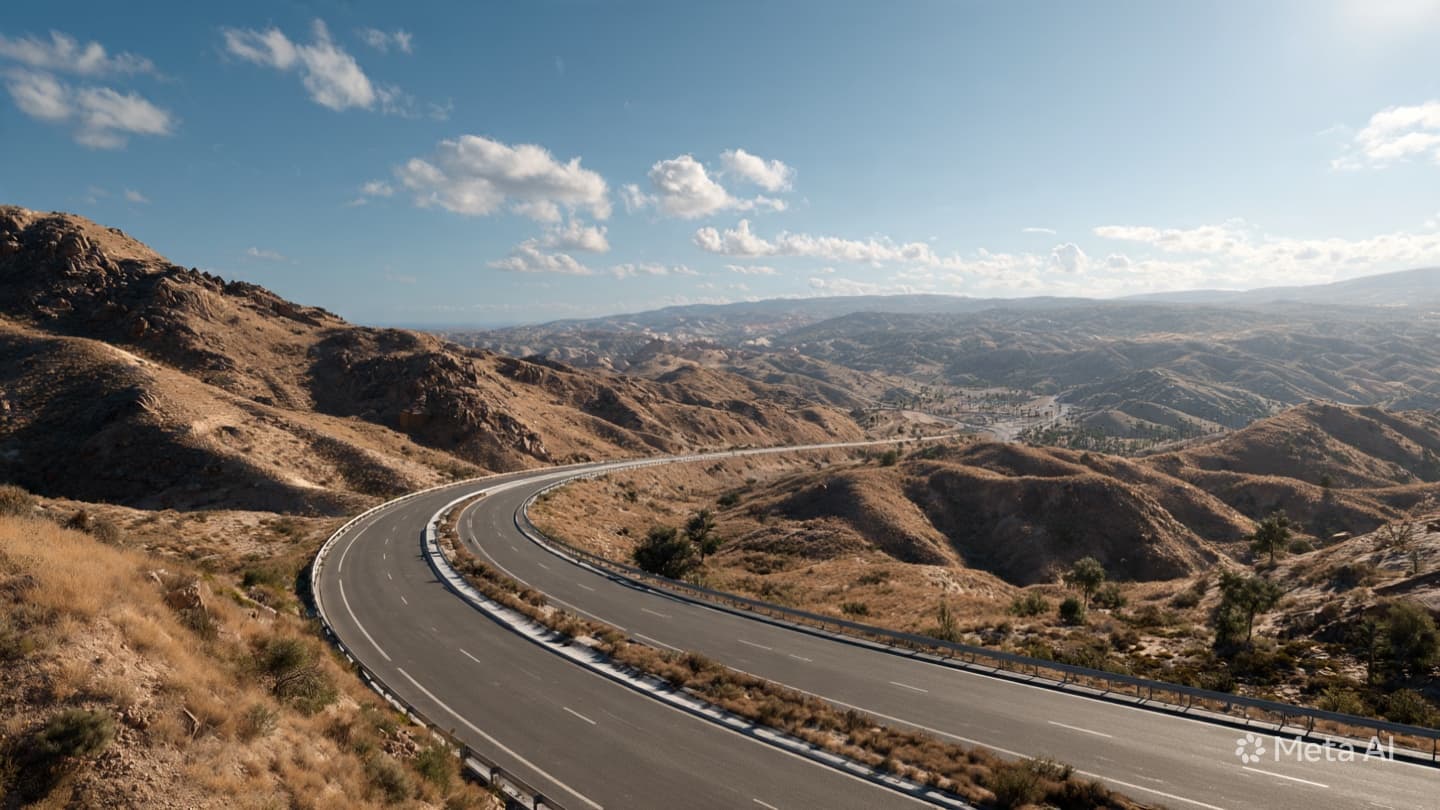
The coastal highways of the Algarve region are traditionally celebrated as scenic conduits for international tourism, connecting historic seaside towns, luxury beach resorts, and whitewashed fishing villages under a bright Mediterranean sky. It is a landscape defined by relaxation and leisure, where traffic flows at a casual, holiday pace along the southern edge of the Iberian Peninsula. Yet, that tranquil coastal rhythm was violently shattered this morning by the high-octane roar of a desperate criminal escape.
Following a highly aggressive, armed bank robbery that initiated an immediate regional security response, national law enforcement forces successfully captured multiple heavily armed suspects after a high-speed pursuit through the Algarve. The operation, which involved specialized highway patrols, tactical aviation units, and municipal roadblocks, resulted in the absolute containment of the vehicle, the recovery of the stolen capital, and the secure detention of the entire cell. It was a powerful display of rapid-response policing operating under maximum pressure.
The incident began during the mid-morning hours when the masked suspects breached the security doors of a prominent financial institution in a bustling regional hub. Utilizing high-caliber firearms and military-style tactical precision, the crew rapidly intimidated the staff, bypassed the automated teller counters, and emptied the primary cash reserves into industrial transport bags. Executing a highly practiced departure script, the bandits sprinted to a waiting high-powered luxury vehicle, accelerating onto the primary regional transit highway before local response units could seal the town perimeter.
However, the modern security grid of the Portuguese republic functions as an interconnected digital net designed to handle fluid emergencies. The moment the bank's panic system was activated, the centralized command center utilized automated license plate recognition cameras to identify the getaway vehicle's exact trajectory, relaying real-time telemetry to specialized highway interception units positioned further down the coastal corridor.
The pursuit escalated rapidly as the suspects drove with absolute recklessness, weaving through civilian traffic at velocities exceeding two hundred kilometers per hour in a desperate bid to reach a complex network of rural mountain roads. Realizing that a prolonged chase posed an unacceptable risk to public safety, the police command authorized a precision tactical intervention, deploying a heavy mobile spike strip across a narrow bridge bottleneck ahead of the fleeing vehicle.
The deployment functioned flawlessly, blowing out the luxury car's reinforced tires and forcing the vehicle into a controlled spin where it was instantly boxed in by heavily armored tactical interceptors. The suspects, realizing they were completely surrounded by specialized officers with weapons drawn, discarded their firearms and surrendered on the asphalt without further exchange of violence. The entire intervention was completed without causing physical injury to any civilian bystanders.
By afternoon, forensic teams had completed their initial investigation of the vehicle, securing multiple automatic weapons, specialized communication scanners, and the entirety of the stolen bank funds, which were returned to the secure custody of the state treasury. The suspects, identified as seasoned members of an international bank raiding syndicate, have been moved to a maximum-security isolation facility to await formal arraignment on charges of armed robbery, criminal conspiracy, and attempted murder of law enforcement officers.
The regional daily covering the dramatic southern capture reported the chronological timeline with an unvarnished, clinical clarity, ensuring that the tactical coordination of the pursuit was precisely documented for the public record. The coastal traffic of the Algarve returned to its leisurely, sun-drenched pace by evening, the ocean breeze clearing the smell of burnt rubber from the highway bridge, while the watchmen returned to their patrol routes.
Published by Banx Network. This article is part of the Banx decentralized media programme, powered by the BXE token on the XRP Ledger.