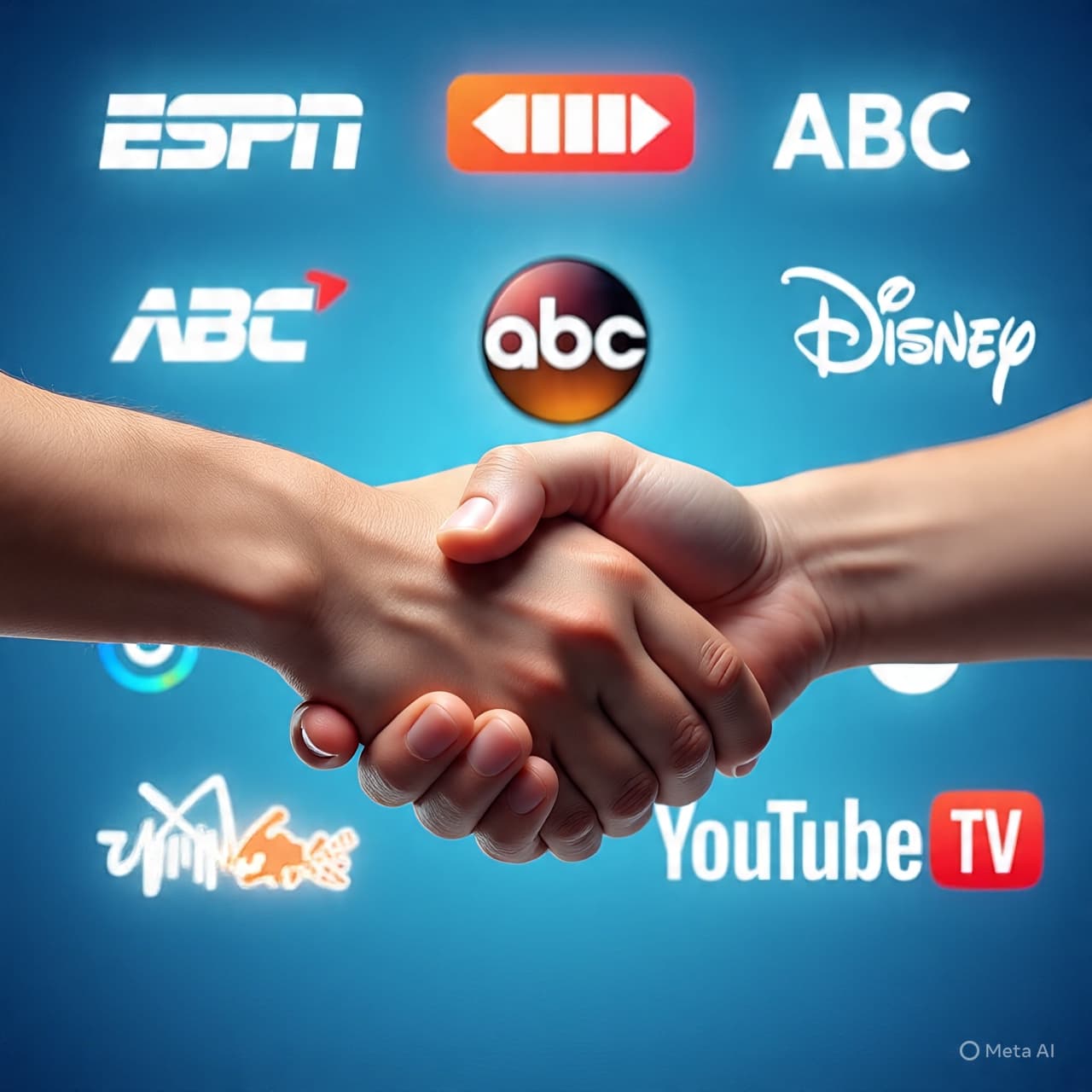
In the quiet hum of home-screens and the familiar glow of living-room televisions, there is a rhythm we often take for granted. One moment the dance of live sports and nightly news flows in as part of the routine; the next, it pauses—and we notice. That pause came when the channels of ESPN, ABC and dozens of other networks linked to The Walt Disney Company vanished from YouTube TV at the stroke of the negotiating clock. Then, just as quietly, the lights came back on.
Polite but persistent discussions between the streaming distributor and the entertainment giant have concluded in a multi-year distribution agreement, restoring Disney’s full linear portfolio—including ESPN, ABC, the Disney-branded channels, Freeform, FX Networks and National Geographic—to YouTube TV subscribers. The blackout, which began on October 30, lasted over two weeks and left viewers unable to access key sports and entertainment programming.
The blackout’s metaphorical pause illuminated more than just the absence of programming—it reflected the intricate choreography behind our screens. At stake were questions of value, leverage and future-proofing in a media landscape shifting by the minute. For YouTube TV, the negotiation centered on preserving the “value of our service for our subscribers,” as the company said in its statement. Disney, meanwhile, emphasized the “tremendous value of our programming” and underscored a commitment to evolve how audiences choose to watch.
In practical terms, the deal means that YouTube TV subscribers will see the Disney networks restored “over the course of the day,” including previously recorded content, and that access to ESPN’s new direct-to-consumer service (Unlimited Plan) is to be made available at no additional cost by the end of 2026. The specifics of the financial terms remain undisclosed, yet the outlines of the arrangement hint at a balancing act: distribution rights, streaming convergence, cost pressures and customer satisfaction all in play.
For viewers, the interruption may have been a moment of frustration—but also a reminder that what seems seamless often depends on unseen motion. Two weeks without favored match-ups, news segments or favorite shows clarified how much of our media experience rests on agreements behind the screen. As the broadcasts return, the routine continues—but perhaps with slightly renewed appreciation for the quiet work that keeps the signal alive.
In the broader context, this episode reflects the shifting dynamics in the media-distribution world: major content owners seeking fair compensation and strategic alignment, and streaming platforms striving to maintain subscriber loyalty and flexibility. The comeback of Disney’s channels to YouTube TV may not make headlines for new content or major surprises—but sometimes, resolution is itself the story.
AI Image Disclaimer “Visuals are created with AI tools and are not real photographs.”
Sources: ESPN (as part of Disney) press release. 9to5Google article. NBC Sports / ProFootballTalk summary. On3 sports business site. Associated Press/Reuters via news wires.
Published by Banx Network. This article is part of the Banx decentralized media programme, powered by the BXE token on the XRP Ledger.