In the frozen silence of the Yukon wilderness, time seems to stand still, preserving secrets beneath layers of permafrost and sediment. Recently, this ancient landscape yielded a surprising discovery: bones identified as belonging to an ice-age cheetah. This find challenges our understanding of North America’s prehistoric fauna, reminding us that the continent was once home to creatures we typically associate with the savannas of Africa and Asia.
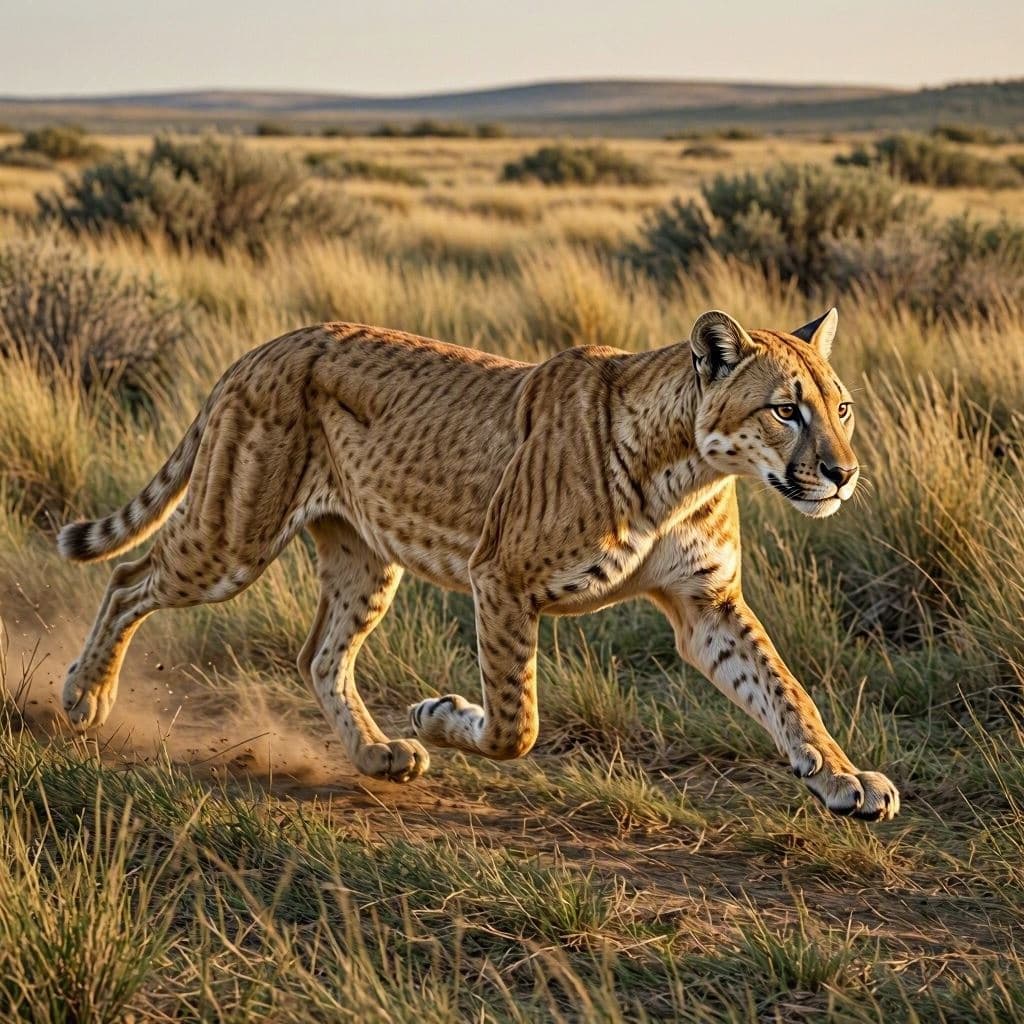
The identification was made possible through advanced genetic analysis and morphological comparison. While the bones resembled those of known large cats, subtle differences in structure and DNA sequences pointed to a distinct lineage. This species, Acinonyx pleistocenicus, roamed the continent during the Pleistocene epoch, sharing the land with mammoths, saber-toothed cats, and early humans.
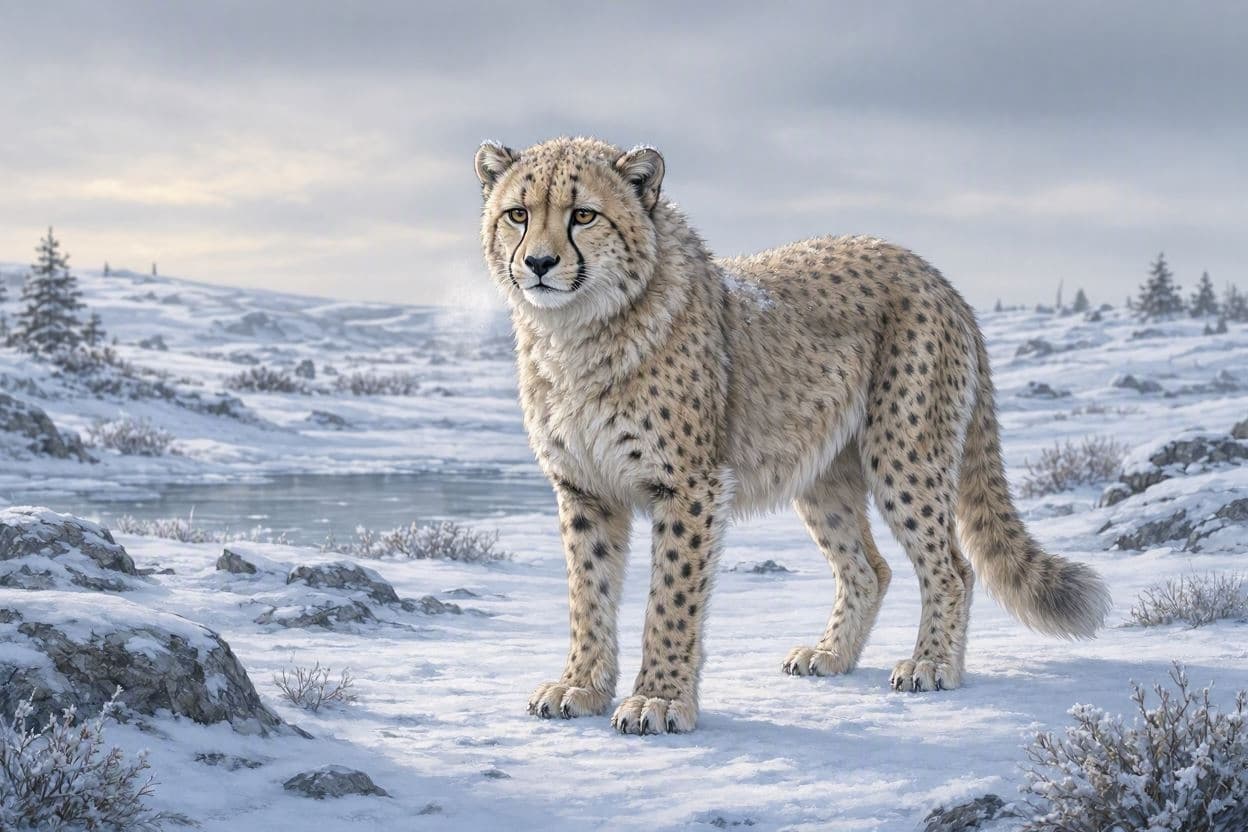
The presence of a cheetah in North America is not entirely unprecedented, but each new discovery adds depth to the narrative. During the last ice age, the Bering Land Bridge connected Asia and North America, allowing for the migration of various species. It is believed that these ancient cheetahs crossed over from Eurasia, adapting to the colder climates and diverse prey available in the New World.
What makes this particular find significant is its location and preservation. The Yukon’s cold, dry conditions helped maintain the integrity of the bones, allowing scientists to extract high-quality DNA. This genetic material provides insights into the evolutionary history of the cheetah, revealing how it diverged from other feline species and adapted to different environments over millennia.
The extinction of these ice-age cheetahs, along with many other megafauna, remains a subject of debate. Climate change, habitat loss, and human hunting likely played combined roles in their disappearance. Studying their remains helps researchers understand the ecological dynamics of the past, offering lessons on how species respond to rapid environmental shifts.
For the local Indigenous communities and researchers alike, the discovery is a reminder of the rich biological heritage of the region. It underscores the importance of preserving these archaeological sites, which serve as windows into a lost world. Each bone tells a story of survival, adaptation, and eventual decline, echoing the cycles of nature.
As science continues to unravel the mysteries of the Pleistocene, the ice-age cheetah stands as a symbol of connection between continents and epochs. It invites us to look beyond modern boundaries and appreciate the dynamic history of life on Earth, where species moved and evolved in response to a changing planet.
The identification of ice-age cheetah bones in the Yukon enriches our knowledge of North America’s prehistoric ecosystem. It highlights the interconnectedness of global fauna during the Pleistocene and underscores the value of paleontological research in understanding the forces that shape biodiversity.
AI Image Disclaimer: Images depicting this paleontological discovery are AI-generated for illustrative purposes.
Sources: Nature Ecology & Evolution Yukon Government Smithsonian Magazine
Published by Banx Network. This article is part of the Banx decentralized media programme, powered by the BXE token on the XRP Ledger.