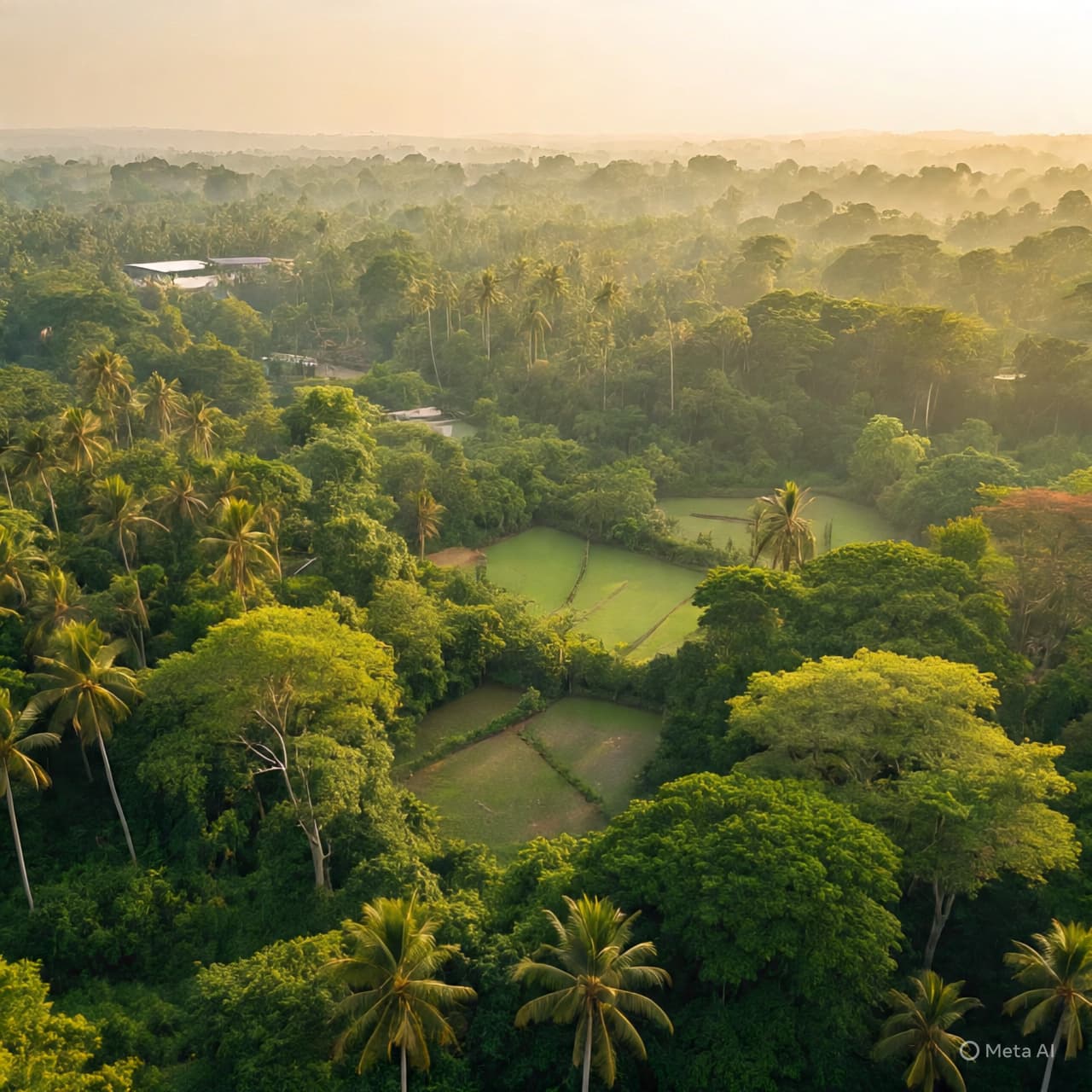
In the quiet spaces where forest once folded into itself, something small is learning to adapt. The Atlantic Forest of Brazil, long celebrated for its layered canopies and intricate life, is thinning. As trees retreat and human presence advances, the balance between species begins to tilt, sometimes in ways barely visible, sometimes in ways that hum.
Mosquitoes living in fragments of the Atlantic Forest are showing a growing preference for human blood, according to recent scientific findings. As natural habitats shrink and wildlife diversity declines, these insects appear to be adjusting their feeding behavior, turning more often toward the most readily available host. The shift is subtle but significant, shaped not by intent, but by survival.
Researchers studying mosquito populations across preserved and degraded forest areas found that where biodiversity remains intact, mosquitoes feed on a wide range of animals. In fragmented landscapes, that menu narrows. Fewer mammals and birds mean fewer options, and humans—living, working, or passing nearby—become part of the ecological equation.
This change carries implications beyond entomology. Mosquito feeding patterns influence the transmission of diseases such as malaria, dengue, yellow fever, and other viruses. When mosquitoes bite humans more frequently, the pathways for spillover and sustained transmission can widen. Scientists stress that this does not guarantee outbreaks, but it alters the conditions under which they can occur.
The findings also echo a broader theme in environmental health: habitat loss rarely stays confined to nature alone. As forests shrink, interactions between humans and wildlife intensify, often in unintended ways. Mosquitoes, adaptable and sensitive to environmental shifts, become indicators of these deeper changes.
Researchers emphasize that conservation is not only about preserving species, but about maintaining ecological relationships that buffer human health. Protecting forest integrity can help sustain the complex networks that keep disease risks lower and ecosystems more resilient.
As deforestation pressures continue, scientists and public health experts are watching closely. The mosquito’s changing appetite is not framed as alarm, but as a reminder—small signals often reveal larger stories about how landscapes and health move together.
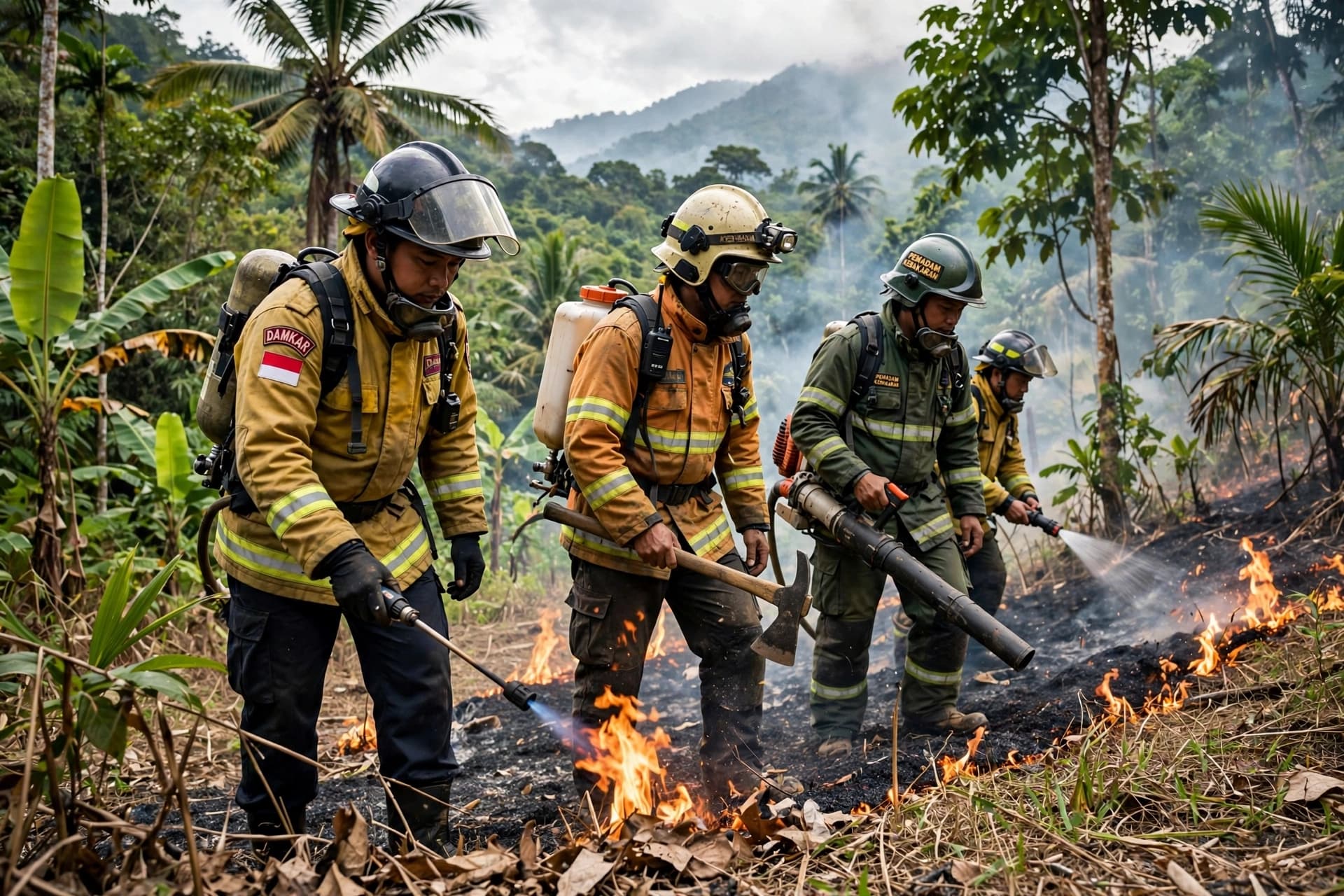
AI Image Disclaimer (Rotated Wording) Illustrations shown with this article are AI-generated visuals intended for conceptual depiction rather than real-world photography.
Source Check (Credible Media & Institutions)
Nature Ecology & Evolution Science BBC News Reuters The Guardian
Published by Banx Network. This article is part of the Banx decentralized media programme, powered by the BXE token on the XRP Ledger.