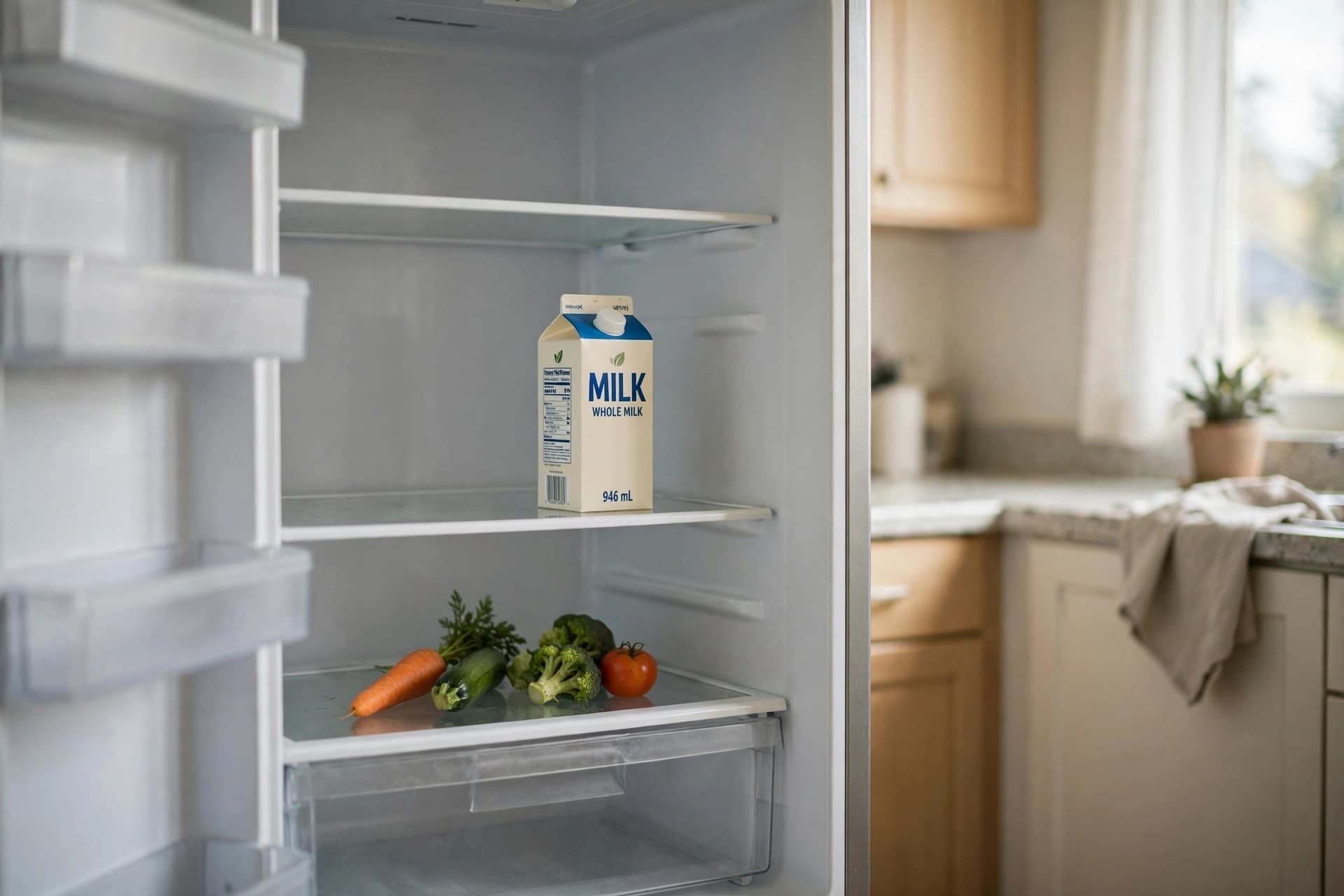
There is a particular kind of hunger that arrives not from scarcity but from policy—a hunger that grows in kitchens where the refrigerator is empty not because the stores have no food, but because the money to buy it has been withdrawn. Across America, millions of people are experiencing that hunger for the first time. They are not the subjects of a distant famine or a natural disaster. They are neighbors, coworkers, children, and veterans, and they are losing access to the nation’s largest anti-hunger program.
Since the enactment of the One Big Beautiful Bill Act in July 2025, enrollment in the Supplemental Nutrition Assistance Program has fallen by more than 4.5 million people nationwide—a decline of about 11 percent, steeper than the government itself projected . In New York alone, more than 200,000 people have fallen off the rolls. In California, more than 330,000 have lost benefits, including more than 156,000 children .
The changes that produced this decline are structural. New work requirements have been expanded, requiring adults aged 18 to 64 to document 80 hours per month of employment, education, or community service as a condition of eligibility. Renewal periods have been shortened. And starting in October 2026, states will bear a larger share of administrative costs—75 percent, up from 50 percent—with New York, one of only three states where counties pay the full non-federal share, facing an estimated $168 million shift to county budgets . A further change in October 2027 will shift the cost of benefits themselves onto states, forcing them to either bear the expense or withdraw from the program entirely .
The architects of these cuts have framed them as a restoration of dignity and a rejection of dependency. Agriculture Secretary Brooke Rollins described the removal of millions from SNAP as supporting “the dignity of work” and “a great American biblical foundational principle,” noting that 4.5 million people had been “moved off” the program in a single year . President Trump has similarly celebrated the decline, saying, “More than five million people have been lifted off of the food stamps” .
But those who work with food-insecure families describe a different reality. The unemployment rate has remained around 4.3 percent, meaning many of those losing benefits are already working or face barriers to employment that work requirements do not address—caring for children, managing disabilities, or living in areas where jobs are scarce . Food banks and community pantries report surging demand as households that lose SNAP benefits seek emergency assistance, though advocates note that charitable programs cannot replace the scale and reliability of a federal nutrition program .
“It feels as though people are being punished,” one advocate said, describing the experience of families who followed the rules, worked when they could, and still found themselves cut off . The hunger is not abstract. It is a mother skipping meals so her children can eat. It is a veteran choosing between medication and groceries. It is a child arriving at school without breakfast, unable to concentrate, falling behind in ways that will follow them for years.
Senator Kirsten Gillibrand of New York put the question plainly: “At a time when people can barely afford a cart of groceries or a tank of gas, this president is kicking families off food assistance to fund tax cuts for the richest people in the country” . The arithmetic of the policy is straightforward—less spending, smaller government, lower deficits. The arithmetic of hunger is less tidy. It does not appear in budget projections. It appears in emergency rooms, in classrooms, in the quiet desperation of a parent who cannot feed their child.
AI Image Disclaimer: The visual materials in this article were produced by artificial intelligence and are used solely for illustrative purposes.
Sources: Senator Kirsten Gillibrand, Feminist Majority Foundation, Office of Senator Adam Schiff, Michigan House Democrats
Published by Banx Network. This article is part of the Banx decentralized media programme, powered by the BXE token on the XRP Ledger.