
Key Highlights
- Fuel shortages in Russia have led to public unrest and altercations at petrol stations.
- President Putin's admission of shortages reflects citizens' frustrations.
- Rural areas are disproportionately affected, exacerbating regional inequalities.
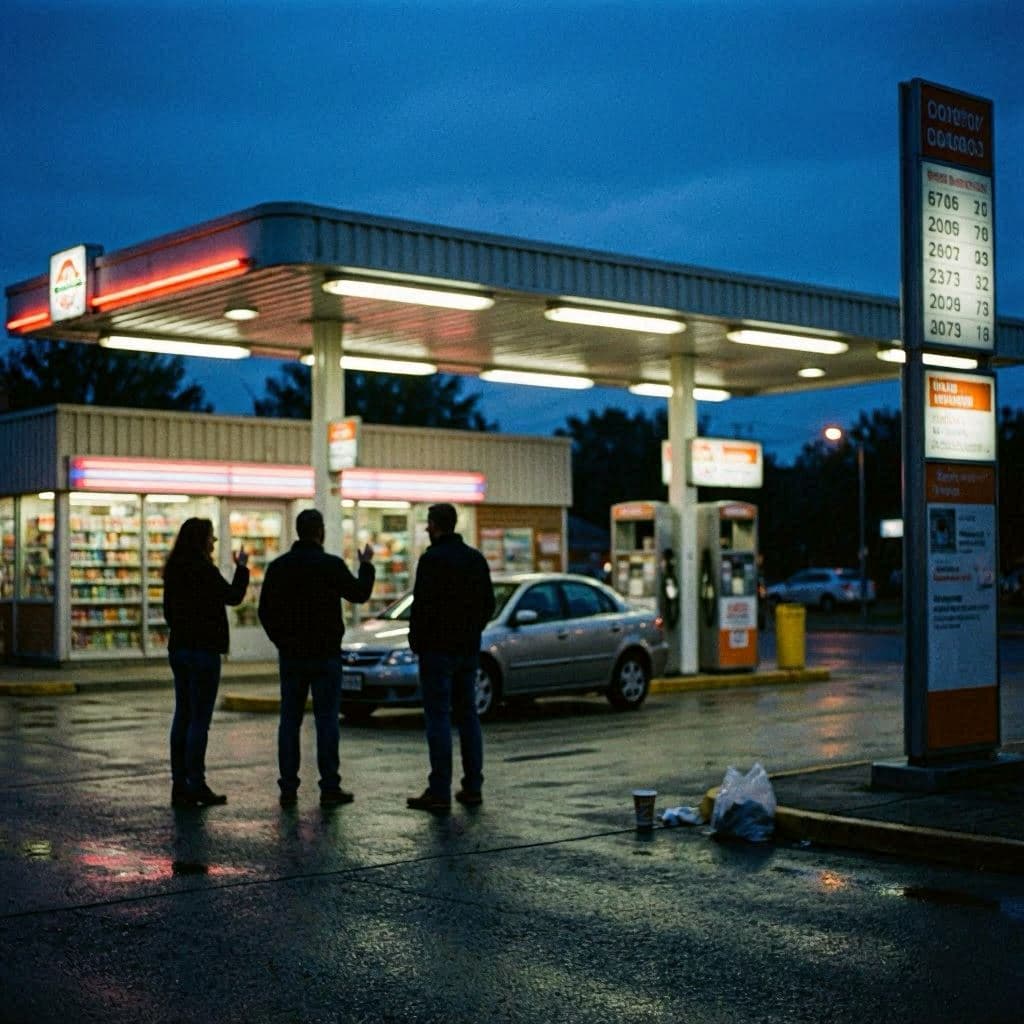
The recent fuel shortages in Russia have ignited public unrest, with videos circulating on social media showing heated arguments and physical altercations among motorists waiting in long lines for petrol. These incidents provide a stark glimpse into the growing frustration of a population grappling with the tangible effects of ongoing conflict and economic strain.
President Vladimir Putin's recent acknowledgment of fuel shortages has validated the experiences of many citizens who have faced empty pumps and restrictive rationing. The government's attempts to manage the situation through controlled distribution and appeals to patriotism have not alleviated the reality of scarcity. For many Russians, the inability to fill their tanks is not merely an inconvenience; it poses a significant threat to their livelihoods, especially for those who rely on vehicles for work.
The altercations at gas stations are symptomatic of a broader sense of anxiety and uncertainty permeating society. When basic necessities become scarce, social cohesion can fray, leading to conflicts among neighbors in a struggle for resources. These localized incidents reflect a deeper discontent that is spreading through various segments of the population, serving as a barometer for the public mood, which is shifting from passive acceptance to active frustration.
In response to the unrest, authorities have increased police presence and called for calm, urging citizens to remain patient and cooperative. However, such measures often fail to address the root cause of the anger: the persistent lack of fuel. This disconnect between official narratives of stability and the lived experiences of citizens creates a trust deficit that can be challenging to repair. It underscores the difficulties of maintaining social order during times of economic strain.
The impact of these shortages is not evenly distributed across the country. Rural areas and smaller towns, which may have fewer alternative transportation options, are often hit harder than major cities. This disparity exacerbates existing regional inequalities and fuels feelings of neglect among populations that already feel marginalized. The perception of fairness is crucial in maintaining public support, and its erosion can have long-term political consequences.
Internationally, the images of disorder at petrol stations starkly contrast with the strong and unified image often portrayed by state media. They provide a window into the internal pressures facing the Russian government as it balances military objectives with the need for domestic stability. Effectively managing these crises will be a key test of leadership in the coming months, as the war continues to take a toll on the home front.
As the situation evolves, attention will likely shift to how the government addresses the underlying supply issues. Solutions may include increased imports, repairs to damaged infrastructure, or other measures, but they must be perceived as effective and fair. Until then, the tension at the pump remains a visible symbol of the broader challenges facing the nation.
These incidents serve as a reminder that war affects everyone, not just those on the front lines. The frustration of a driver unable to buy gas is a small but significant piece of a larger puzzle of societal stress. Understanding these dynamics is essential for grasping the full impact of the conflict and the resilience of the people living through it.
Published by Banx Network. This article is part of the Banx decentralized media programme, powered by the BXE token on the XRP Ledger.



