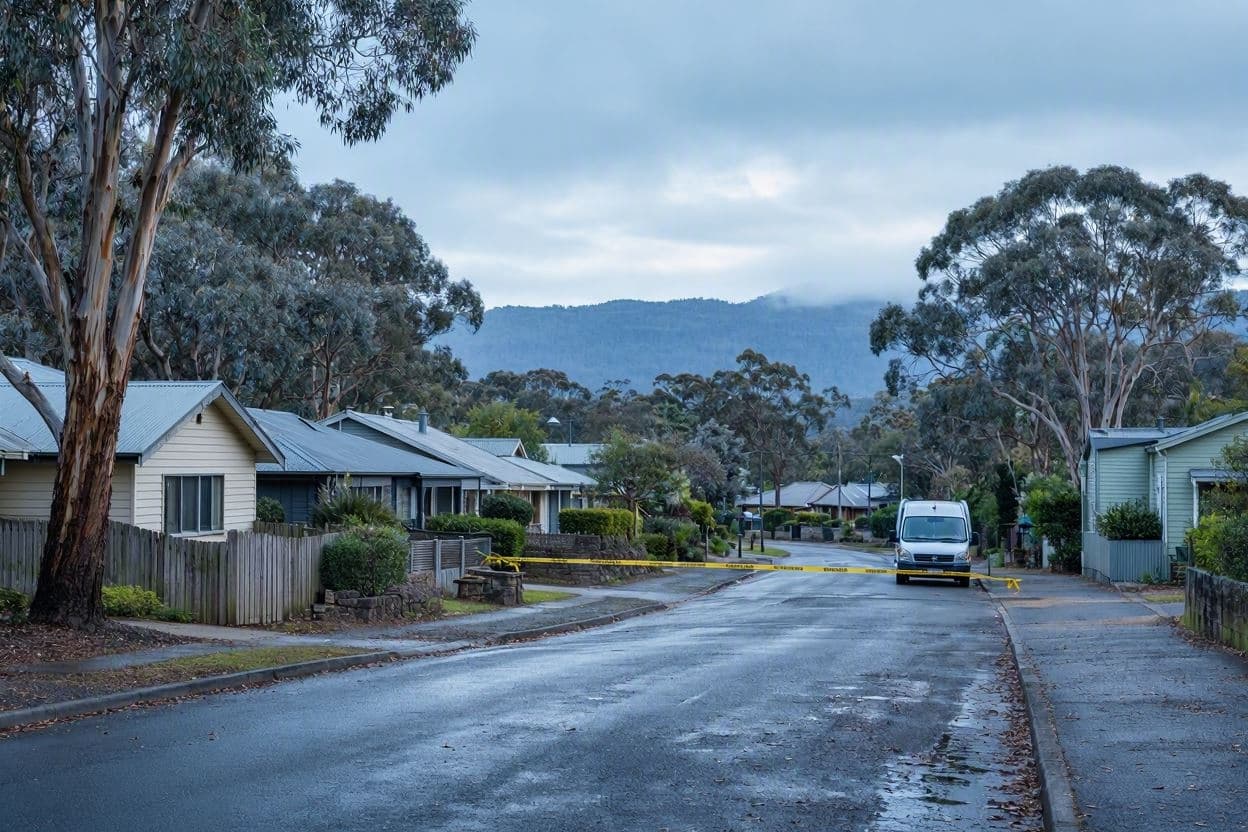
The first light of morning often arrives softly over Gaza, touching rooftops, narrow streets, and homes where families begin another day with familiar routines. Even after years of conflict, parents continue preparing breakfast, children wake to another sunrise, and neighborhoods briefly reclaim an ordinary rhythm before the sounds of war return. It is within these quiet moments that the greatest hopes for peace often reside.
That fragile calm was shattered when an Israeli airstrike struck a home in Gaza City's Sabra neighborhood, killing a family of six, according to local medics. Those reported killed were Firas al-Masri, his wife Salsabeel, and their four children. Medical officials said the strike ignited a fire that consumed parts of the house, while relatives described waking to flames and devastation.
The Israeli military said it had targeted a Hamas militant in the area and was reviewing the outcome of the operation. As in many incidents throughout the conflict, accounts from local health officials and the military differed regarding the circumstances surrounding the strike, while the humanitarian consequences were immediately visible to those living nearby.
For surviving relatives, the tragedy became deeply personal. Firas al-Masri's father told Reuters that the family had been asleep when the strike occurred, expressing anguish over what he described as the absence of any place where civilians could truly feel secure. His words echoed a sentiment heard repeatedly from many displaced Gazans who have experienced multiple evacuations since the conflict began.
The deaths occurred despite a U.S.-backed ceasefire that has reduced the overall intensity of fighting compared with earlier stages of the war. Nevertheless, Israeli forces have continued conducting strikes against what they describe as militant targets, while Palestinian health authorities report that civilians continue to be killed during these operations. Mediation efforts involving the United States, Egypt, Qatar, and other regional partners remain ongoing, although a broader political settlement has yet to emerge.
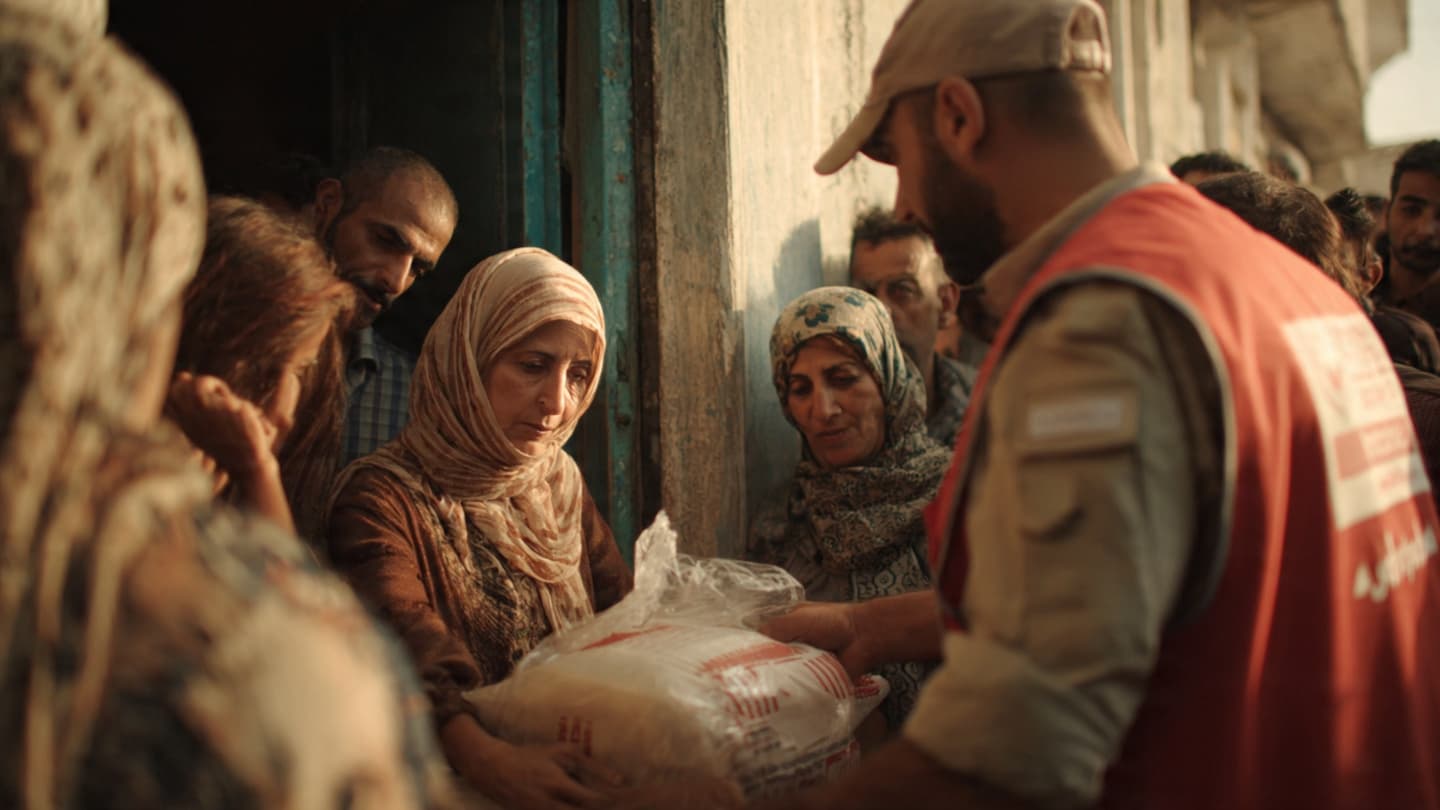
Across Gaza, much of the population remains displaced, with many families living in temporary shelters or damaged buildings after months of repeated evacuations. Humanitarian organizations continue to warn about shortages of food, clean water, medical supplies, and essential services, describing conditions that remain exceptionally difficult even during periods of reduced fighting.
Beyond military developments, each strike leaves behind quieter stories that seldom appear in official statements. Homes once filled with daily routines become silent, family photographs are buried beneath debris, and neighbors gather not only to search through ruins but also to remember the ordinary lives that existed before the violence reached their streets. These moments reveal the deeply human dimension of a conflict often measured through statistics and strategic decisions.
International attention continues to focus on both the immediate humanitarian situation and efforts to preserve the ceasefire. Diplomats have urged restraint while humanitarian agencies emphasize the protection of civilians under international humanitarian law. Yet for many families inside Gaza, each new day is experienced less through diplomatic announcements than through practical questions about shelter, security, and survival.
As evening settles once again over Gaza City, the skyline carries both the fading light of day and the enduring marks of conflict. The investigation into individual strikes, the negotiations between leaders, and the broader political future will continue in the months ahead. For those left mourning loved ones, however, the passage of time is measured differently—through empty rooms, remembered voices, and the hope that one day the ordinary peace of morning might return.
AI Image Disclaimer: These illustrations were created using AI as conceptual representations of the reported events and are not authentic photographs.
Sources: Reuters, Associated Press, United Nations Office for the Coordination of Humanitarian Affairs (OCHA), International Committee of the Red Cross, World Health Organization.
Published by Banx Network. This article is part of the Banx decentralized media programme, powered by the BXE token on the XRP Ledger.