
Key Highlights
- Incident:Two commuter trains collided head-on near Hillerød, Denmark.
- Injuries:Eighteen people were injured, five critically.
- Investigation:Authorities are probing the cause of the collision.
On a typical Thursday morning in Denmark, the day begins with a gentle light illuminating the countryside, where commuters rely on the punctuality of local trains. However, this routine was shattered when two trains collided head-on near Hillerød, approximately 25 miles north of Copenhagen, shortly after 6:30 a.m. The incident occurred along the Gribskov Line, a local route known for its scenic views and regular service to residents.
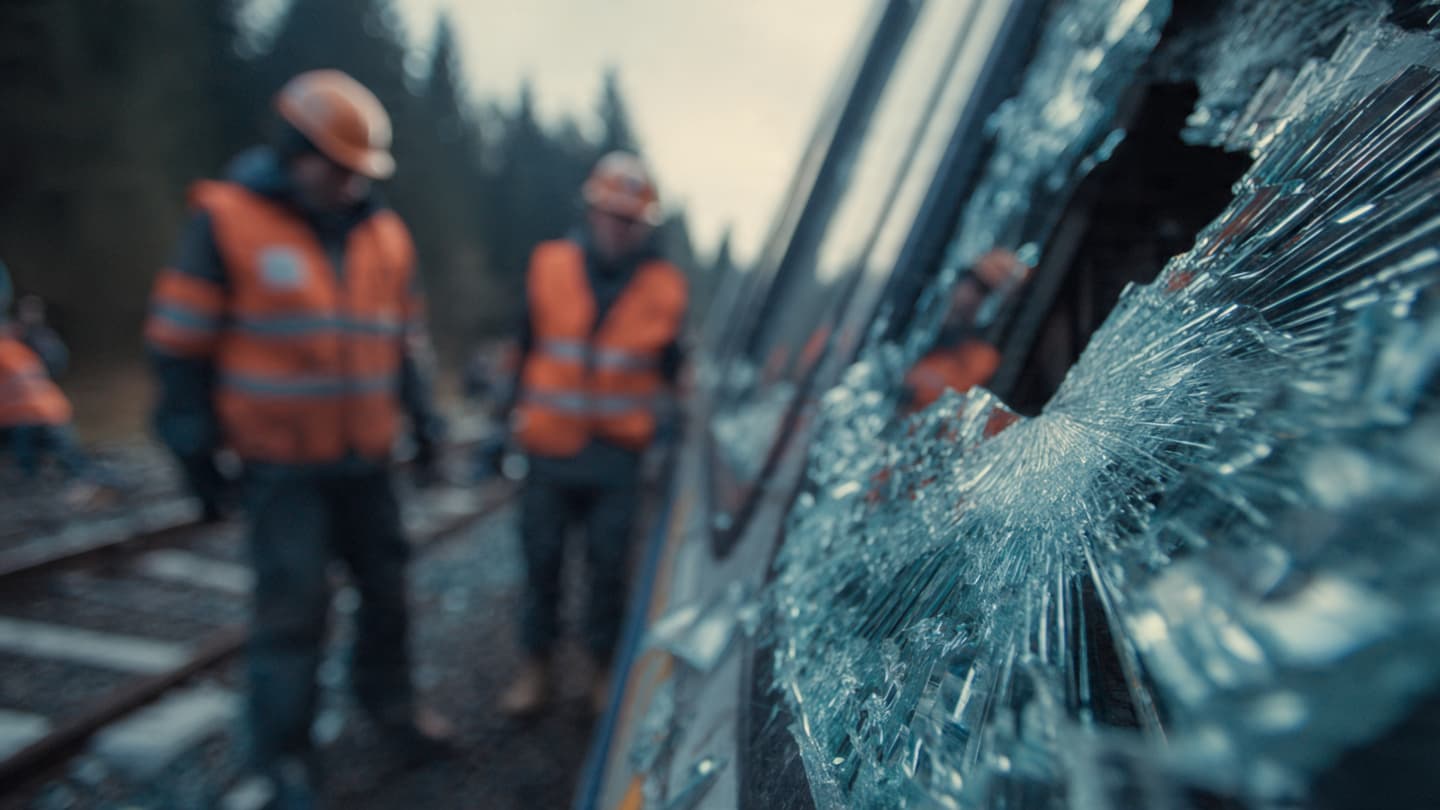
Witnesses described the scene as chaotic, with the sound of sirens piercing the early morning calm. The impact of the collision crushed the front ends of both trains, leaving them mangled yet upright on the tracks. Emergency responders quickly arrived at the scene, which officials labeled a “major incident.” Initial reports indicated that there were between 37 and 38 passengers on board, with eighteen individuals sustaining injuries, five of whom were reported in critical condition.
As ambulances and helicopters transported the injured to nearby hospitals, rescue teams worked diligently to ensure that all passengers were accounted for. The local community, accustomed to the reliability of their train services, was left in shock as news of the accident spread. The Gribskov Line is not just a transportation route; it serves as a vital link for daily commuters, students, and families, making the tragedy feel particularly personal.
Denmark is often praised for its efficient public transport systems, where safety is typically taken for granted. This incident has raised questions about the robustness of the railway infrastructure and the protocols in place to prevent such accidents. Investigators from the police and railway authorities are currently examining the circumstances that led to the collision, focusing on potential signaling failures or human error. The investigation is crucial, as it will determine whether the incident was an isolated failure or indicative of deeper systemic issues within the rail network.
In the aftermath of the collision, rail services on the affected line have been suspended, causing significant disruptions for commuters. Authorities have established hotlines and crisis centers to assist families seeking information about their loved ones. The emotional toll of the accident is palpable, as the community grapples with the reality that a routine journey can turn tragic in an instant.
As the investigation unfolds, the silence on the tracks serves as a stark reminder of the fragility of life and the unexpected nature of accidents. The trains, once symbols of connection and continuity, now stand as a testament to the unpredictability of fate. In the coming days, as the nation awaits answers, the hope remains that those critically injured will recover, and that lessons learned from this tragedy will lead to improved safety measures in the future.
In Denmark, where such incidents are rare, the impact of this collision will resonate deeply within the community, reminding everyone of the importance of vigilance in maintaining the safety of public transport systems.
Published by Banx Network. This article is part of the Banx decentralized media programme, powered by the BXE token on the XRP Ledger.



