
Key Highlights
- Urgent Warnings:Iran calls for civilian protection around power plants.
- Political Tensions:Donald Trump warns of dire consequences.
- Infrastructure Vulnerability:Power stations become symbols of resilience.
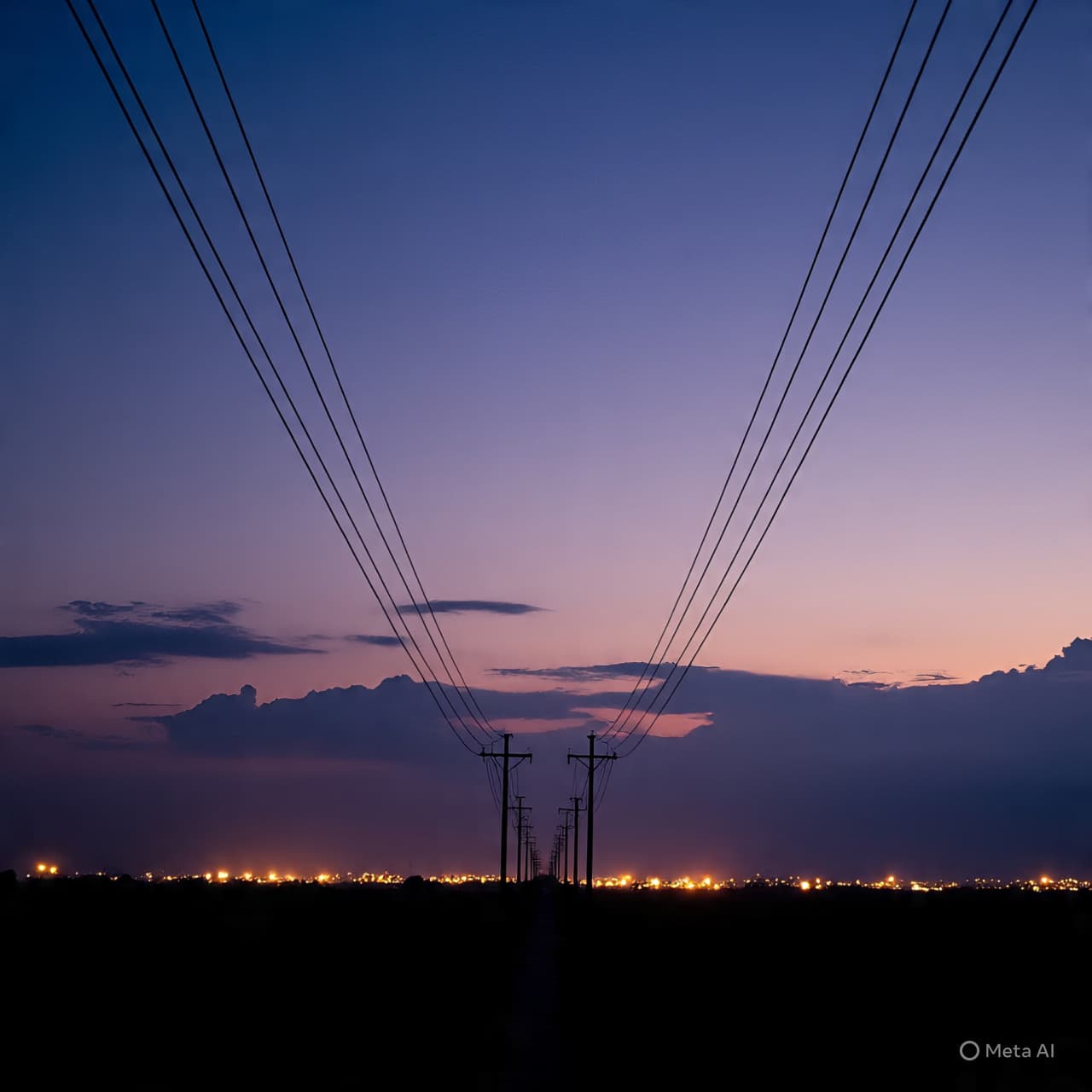
As evening descends, the atmosphere in Iran is charged with urgency and apprehension. Recent warnings have prompted officials to call upon civilians to gather around critical power infrastructure, a move that underscores the precariousness of modern life. This call to action reflects not only a response to potential threats but also a recognition of the vital role that electricity plays in sustaining daily existence.
In a striking statement, former President Donald Trump warned that “a whole civilization will die tonight,” a phrase that resonates beyond political rhetoric, tapping into a collective anxiety about the future. This sentiment is echoed in Iran, where officials are not merely issuing statements but are actively mobilizing citizens to act as human shields around power plants. This unprecedented request transforms these facilities from mere technical hubs into focal points of national resilience, where the presence of ordinary people signifies both a commitment to protect and an acknowledgment of vulnerability.
The implications of this mobilization are profound. Power stations, typically viewed as anonymous entities, are now seen as fragile lifelines. The turbines that spin within them and the control panels that monitor energy flow are no longer just components of a system; they are now symbols of continuity in a time of uncertainty. The act of civilians standing guard around these facilities introduces a new dynamic, merging the technical with the human, and highlighting the interconnectedness of infrastructure and society.
Diplomatic channels are also buzzing with activity as the language of escalation permeates public discourse. Analysts note that targeting energy infrastructure has historically been a strategy to exert pressure without direct military confrontation. However, the presence of civilians complicates this strategy, introducing moral considerations that could deter potential aggressors. The stakes are high, and the balance between threat and restraint is delicate.
On the ground, the reality is palpable. The experience of waiting for the lights to flicker on is laden with tension, as families and communities navigate their daily lives under the shadow of uncertainty. The hum of refrigerators, the flow of water from pumps, and the operation of hospitals all hinge on the stability of the power supply. Each moment becomes a reminder of the fragility of modern existence, where the mundane is intertwined with the extraordinary.
As night envelops the region, the situation remains fluid. Warnings have been issued, and precautionary measures are in place, reflecting a dual concern over potential strikes and the need to deter them. The Iranian government’s call for civilian presence around power infrastructure is a testament to the seriousness of the current climate, as citizens brace for what may come next.
For now, the lights remain on, illuminating the path forward. Yet, in their glow lies a heightened awareness of the stakes involved—not just the light itself, but the continuity of a civilization that is acutely aware of its vulnerabilities and the need for vigilance in the face of uncertainty.
Published by Banx Network. This article is part of the Banx decentralized media programme, powered by the BXE token on the XRP Ledger.



