
Key Highlights
- Albania's Albanian Alps are embracing sustainable tourism, enhancing local economies.
- The Albanian Ministry of Tourism reports a 25% rise in eco-certified accommodations.
- The initiative aims to preserve fragile ecosystems while promoting local culture.
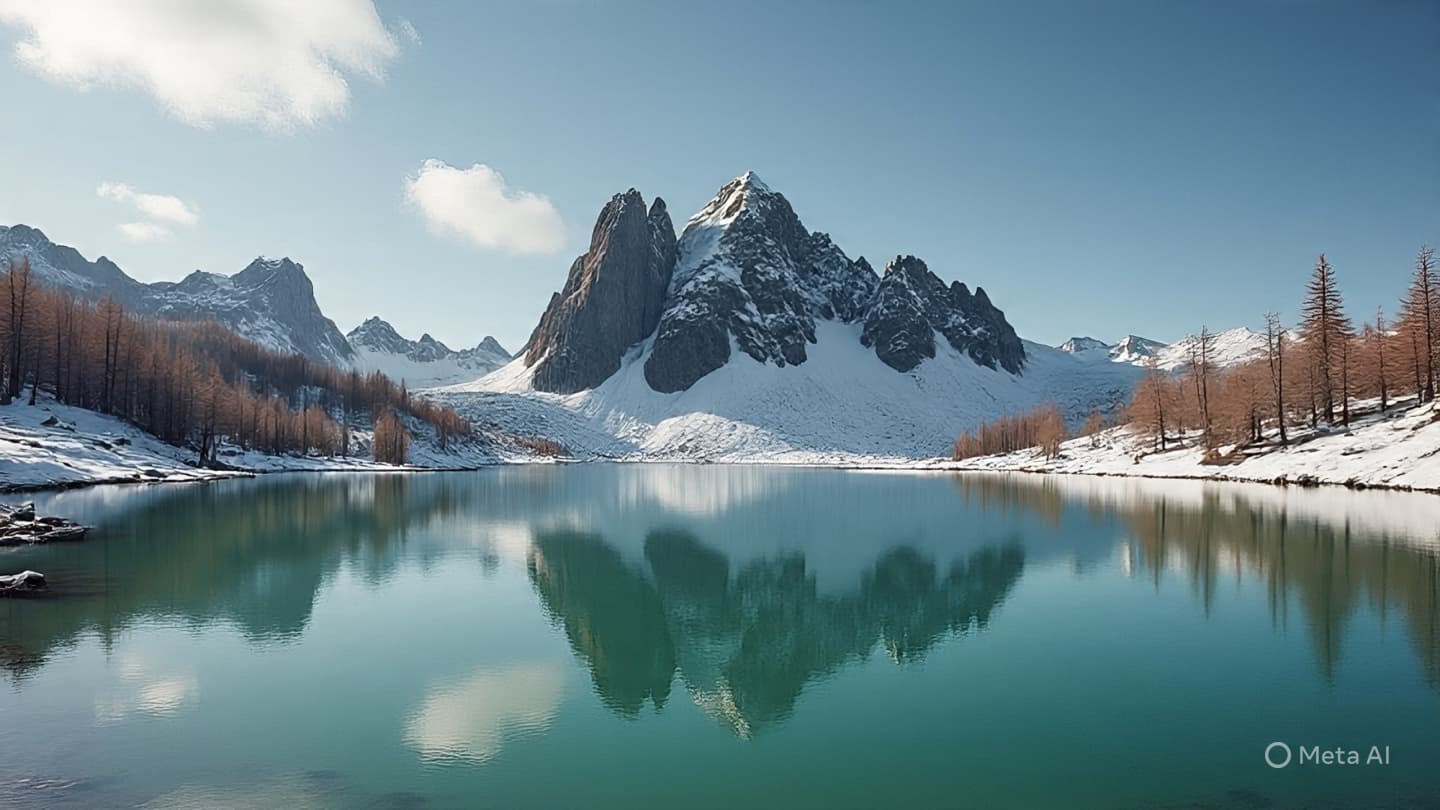
The Albanian Alps, often referred to as the 'Accursed Mountains,' are undergoing a transformative shift towards sustainable tourism, marking a significant moment in the region's environmental and economic landscape. Nestled in the heart of northern Albania, the majestic limestone cathedrals and rugged valleys of Valbona and Theth are being reimagined as sanctuaries for travelers seeking solace and connection with nature. This movement is not merely about attracting visitors; it is about fostering a deep respect for the land and its resources, ensuring that the beauty of these mountains is preserved for future generations.
Recent reports from the Albanian Ministry of Tourism and Environment indicate a remarkable 25% increase in bookings for eco-certified accommodations in the region. This surge reflects a growing trend among travelers who prioritize sustainability and environmental stewardship in their travel choices. The shift away from mass tourism towards a model that emphasizes low-impact, high-value experiences is a testament to the region's commitment to protecting its fragile ecosystems while supporting local communities.
The atmosphere along the high-altitude trails is one of mindful exploration. Hikers and conservationists are increasingly aware of their impact on the landscape, adhering to marked paths and engaging in small-scale agritourism that sustains the mountain villages. This approach is not just about preserving the natural beauty of the Albanian Alps; it is about creating a sustainable tourism model that respects the delicate balance of the environment. By focusing on waste management and carrying capacity, the region aims to ensure that the influx of visitors does not compromise the very allure that draws them in.
The concept of 'regenerative travel' is gaining traction in the Albanian Alps, where the presence of tourists actively contributes to the restoration of the environment and the enrichment of local culture. Initiatives that integrate local food production and traditional crafts into the trekking experience provide visitors with a deeper understanding of the region's heritage. This holistic approach not only enhances the travel experience but also fosters a sense of community and shared responsibility among locals and visitors alike.
As the summer trekking season of 2026 approaches, the economic impact of this sustainable tourism model is becoming increasingly evident. The integration of eco-friendly practices into the tourism sector is not only preserving the natural landscape but also revitalizing the local economy. The rise in eco-certified accommodations is a clear indicator of the success of this initiative, as it aligns with a broader global movement towards responsible travel.
Albania's commitment to safeguarding its natural treasures is a powerful narrative of resilience and hope. By prioritizing the health of its alpine parks and promoting sustainable tourism, the country is not only enhancing its national identity but also positioning itself as a leader in environmental conservation. This approach serves as a buffer against the homogenization of the tourism industry, allowing Albania to showcase its unique cultural and natural heritage while ensuring that the wilderness preserved today will serve as a sanctuary for future generations.
In conclusion, the Albanian Alps are emerging as a beacon of sustainable tourism, where the beauty of the landscape is matched by the commitment to its preservation. As travelers flock to these breathtaking mountains, they are not just seeking adventure; they are participating in a movement that honors the land and its people, ensuring that the legacy of the Albanian Alps endures for years to come.
Published by Banx Network. This article is part of the Banx decentralized media programme, powered by the BXE token on the XRP Ledger.



