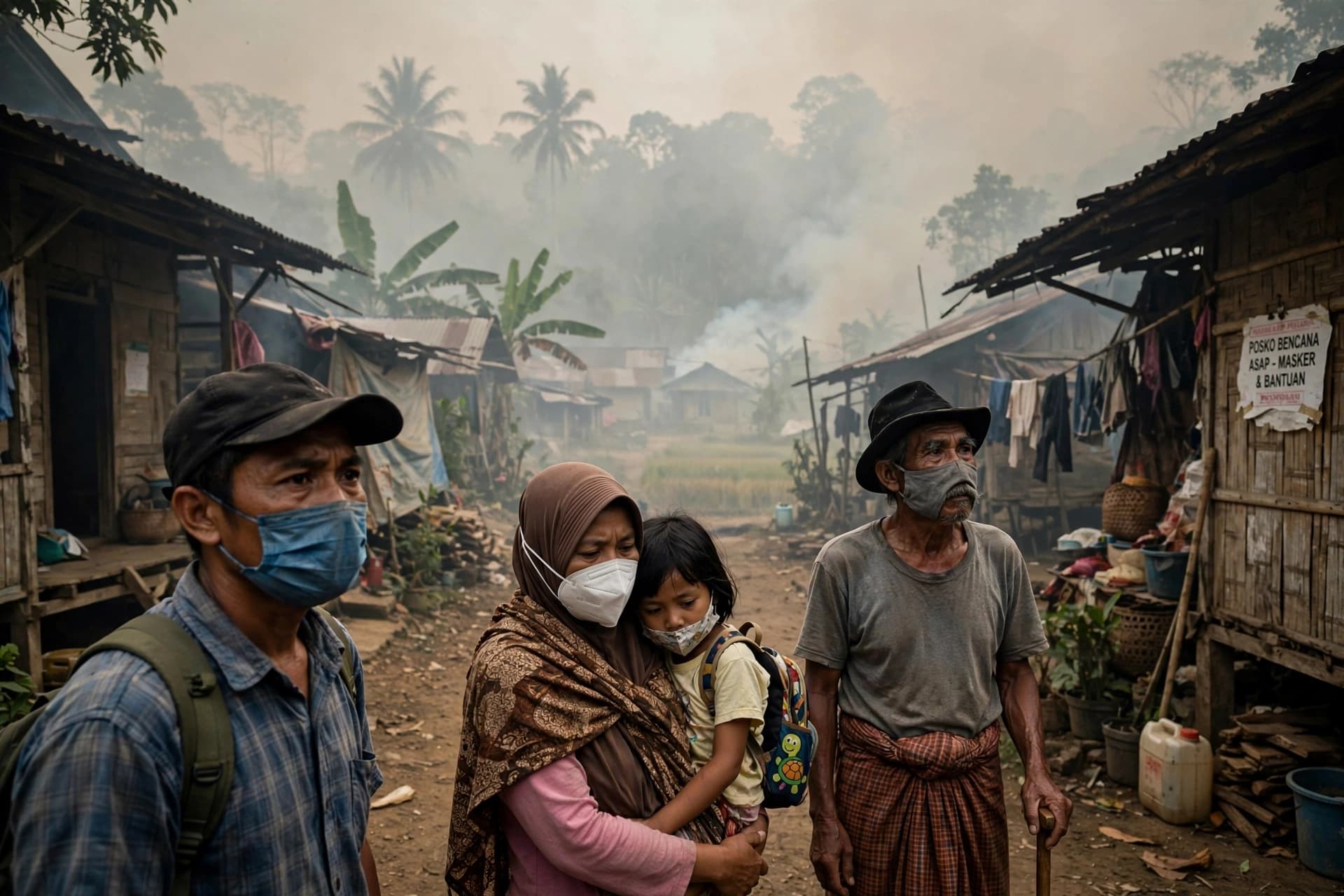
The rhythm of the Earth’s climate is often subtle, a slow dance of ocean temperatures and atmospheric pressures that shapes life across the globe. Yet, when this rhythm intensifies into a super-strong El Niño, the consequences can be profound and far-reaching. Recent studies suggest that such an event could contribute to hundreds of thousands of additional heat-related deaths worldwide, with certain regions bearing the brunt of this thermal burden. It is a sobering reminder of how interconnected our planet’s systems are, and how vulnerable human populations remain to shifts in the natural order.
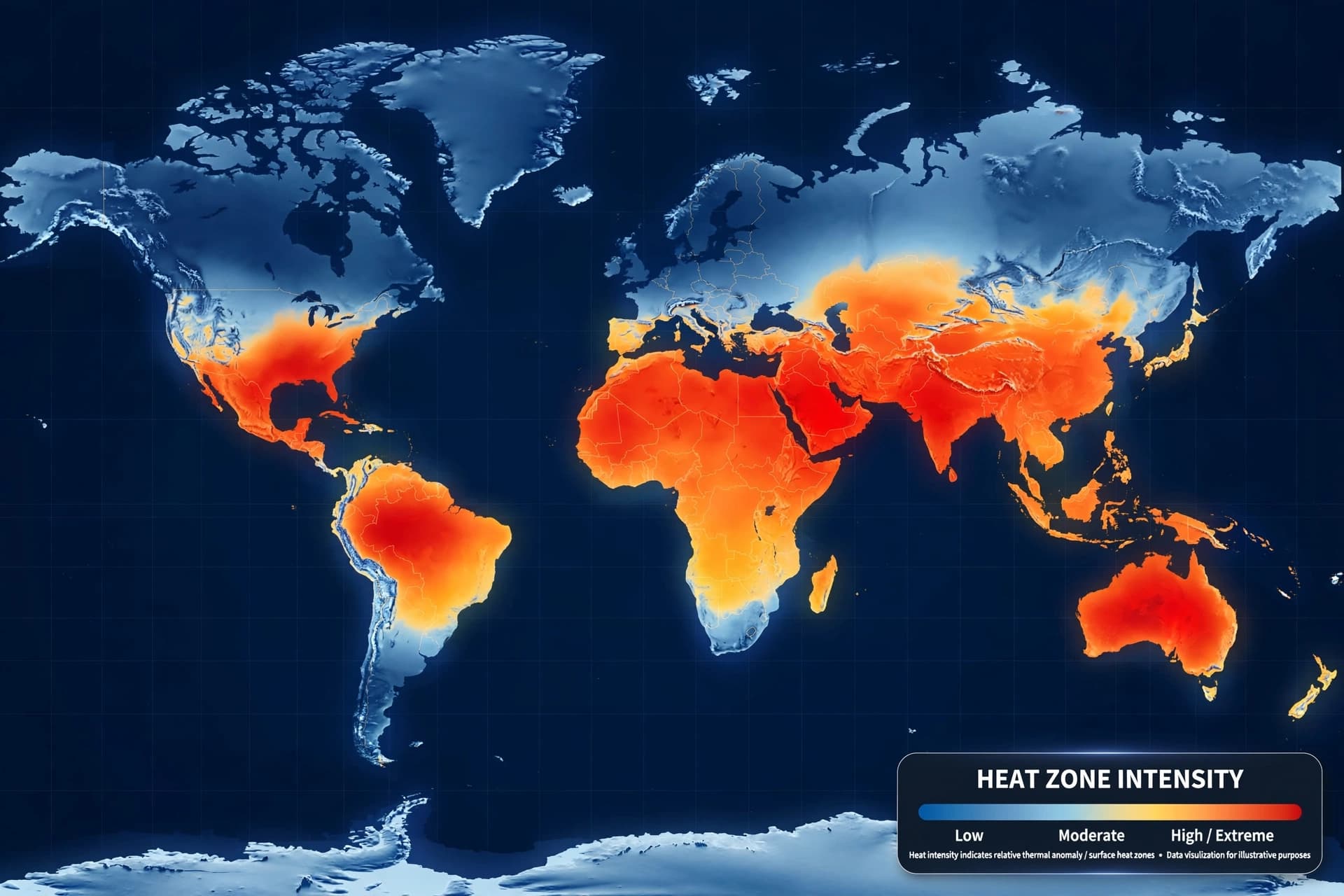
A report from the University of Chicago’s Climate Impact Lab highlights the potential scale of this crisis, projecting that a powerful El Niño could lead to approximately 451,000 extra heat-related deaths by early next year. These fatalities would not be distributed evenly but would concentrate in areas already struggling with high temperatures and limited resources. The map of risk reveals a stark reality: poorer nations, particularly in Africa and Asia, are expected to suffer the most, with Nigeria, Indonesia, and Sudan identified as hotspots for excess mortality.
In the United States, the impact is also significant, though different in nature. While the headline figure of 450,000 deaths is global, the U.S. faces its own challenges, including severe droughts and extreme heatwaves. States in the Southwest and Southeast are particularly vulnerable, where rising temperatures can exacerbate existing health issues and strain infrastructure. The map shows that while the U.S. has greater adaptive capacity, no region is entirely immune to the warming trend driven by El Niño.
The mechanism behind these deaths is straightforward yet deadly: extreme heat. El Niño events typically raise global average temperatures, leading to more frequent and intense heatwaves. For elderly individuals, those with pre-existing conditions, and outdoor workers, these periods of intense warmth can be fatal. The study emphasizes that without adequate cooling infrastructure and public health interventions, the toll will continue to rise.
Beyond heat, El Niño disrupts weather patterns globally, causing droughts in some regions and floods in others. These secondary effects can lead to crop failures, food insecurity, and the spread of disease, further compounding the risk to human life. In countries like Sudan and Nigeria, where agriculture is a primary livelihood, the loss of crops can have devastating economic and social consequences, pushing vulnerable populations deeper into poverty.
The findings serve as a call to action for governments and international organizations. Investing in early warning systems, improving healthcare access, and developing resilient infrastructure are critical steps in mitigating the impact of El Niño. For developed nations, this also means supporting climate adaptation efforts in poorer countries, recognizing that climate change is a global challenge that requires a collective response.
As the world braces for the next strong El Niño, the focus must shift from reaction to preparation. Understanding the specific risks faced by different regions allows for targeted interventions that can save lives. The map of vulnerability is not just a scientific tool but a moral guide, pointing to where help is needed most urgently.
The projection of 450,000 additional deaths due to El Niño is a stark warning of the costs of inaction. By recognizing the disproportionate impact on vulnerable populations and taking proactive measures, society can reduce this toll. The challenge lies not only in understanding the science but in translating that knowledge into effective policy and compassionate action.
AI Image Disclaimer: The visuals accompanying this article are AI-generated illustrations designed to represent the concept of global climate patterns and heat risk, not actual data maps or photographic evidence.
Sources: The Guardian, Al Jazeera, Newsweek, University of Chicago Climate Impact Lab
Published by Banx Network. This article is part of the Banx decentralized media programme, powered by the BXE token on the XRP Ledger.