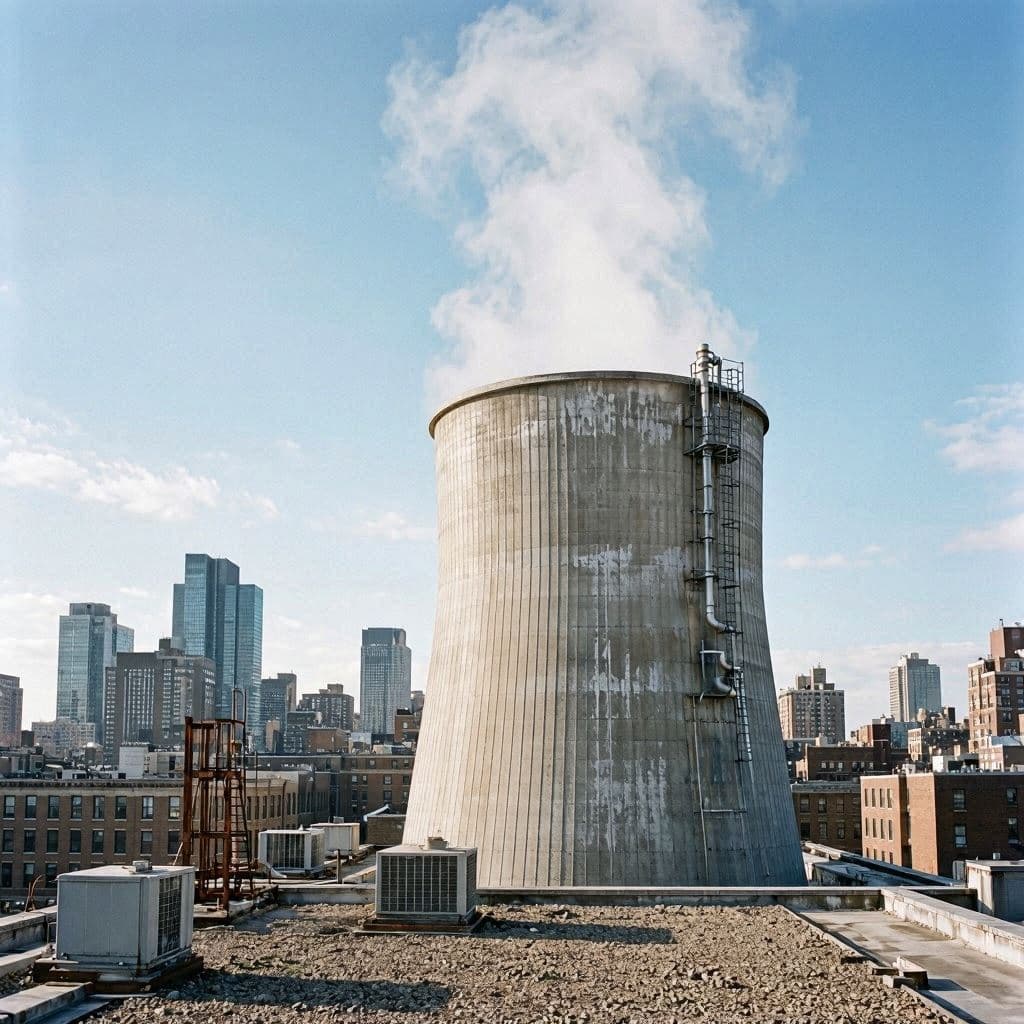
In the bustling metropolis of New York City, where steam rises from manholes and cooling towers punctuate the skyline, a microscopic threat has found a comfortable niche. Legionnaires’ disease, a severe form of pneumonia caused by Legionella bacteria, has become increasingly prevalent in the city. Recent reports detail how the urban infrastructure, particularly aging water systems and complex air conditioning units, provides an ideal breeding ground for the pathogen. For residents and visitors alike, this reality invites a moment of pause and reflection on the hidden complexities of modern living. It is a reminder that even in the most advanced cities, basic public health challenges persist.
The situation highlights the interplay between urban development and microbial ecology. It serves as a call for vigilant maintenance and proactive public health measures to protect community well-being.
Legionella bacteria thrive in warm, stagnant water, making cooling towers, hot tubs, and large plumbing systems prime targets. In New York City, the density of high-rise buildings and the age of much of the infrastructure create conditions where the bacteria can multiply unchecked if not properly managed. Outbreaks often occur in summer months when cooling systems are used heavily, dispersing contaminated mist into the air.
Health officials have identified specific neighborhoods and building types as higher risk areas. Older hotels, hospitals, and residential complexes with complex water systems are frequently implicated in cases. The city has implemented stricter regulations requiring regular testing and maintenance of cooling towers, but enforcement remains a challenge due to the sheer number of facilities.
Symptoms of Legionnaires’ disease include fever, cough, shortness of breath, and muscle aches. It can be severe, particularly for older adults, smokers, and those with weakened immune systems. Early diagnosis and treatment with antibiotics are crucial for recovery. However, awareness among the general public remains low, leading to delayed medical attention in some cases.
Public health campaigns are working to educate building owners and managers about best practices for water system maintenance. Simple steps, such as maintaining proper temperatures and ensuring regular cleaning, can significantly reduce the risk of bacterial growth. Collaboration between private property owners and city agencies is essential for effective prevention.
The environmental factors contributing to the spread include climate change, which leads to warmer temperatures and more frequent heatwaves. These conditions increase the use of cooling systems and promote bacterial growth. Adapting infrastructure to cope with changing climate patterns is becoming a priority for urban planners.
Research into Legionella detection methods is ongoing, with new technologies offering faster and more accurate identification of the bacteria in water samples. These advancements can help authorities respond more quickly to potential outbreaks and prevent widespread transmission. Investment in diagnostic tools is a key component of public health strategy.
Community engagement plays a vital role in prevention. Residents are encouraged to report issues with building water systems and to stay informed about local health advisories. Transparency from building management and timely communication from health departments build trust and encourage compliance.
As the city continues to grow and evolve, the challenge of managing Legionella will remain. It requires a sustained commitment to infrastructure improvement, regulatory enforcement, and public education.
The prevalence of Legionnaires’ disease in New York City underscores the importance of maintaining safe water systems. It invites continued vigilance and cooperation between residents, building owners, and health authorities.
AI Image Disclaimer: Images used in this report are AI-generated depictions intended to illustrate the themes of urban public health and infrastructure maintenance.
Sources: New York City Department of Health and Mental Hygiene CDC The New York Times NBC New York
Published by Banx Network. This article is part of the Banx decentralized media programme, powered by the BXE token on the XRP Ledger.