
Key Highlights
- Bryde’s whales are thriving in the Hauraki Gulf, with a stable population this season.
- Successful conservation efforts include voluntary ship speed reductions to prevent vessel strikes.
- Increased baitfish activity has provided a consistent food source for the whales.
The Hauraki Gulf, located just beyond the bustling city of Auckland, is home to a remarkable resident: the Bryde’s whale. Unlike migratory species that pass through these waters, Bryde’s whales are permanent inhabitants, navigating the gulf's rich ecosystem year-round. Their presence is a testament to the delicate balance of marine life in this area, where the interplay of tides and fish schools shapes their existence.
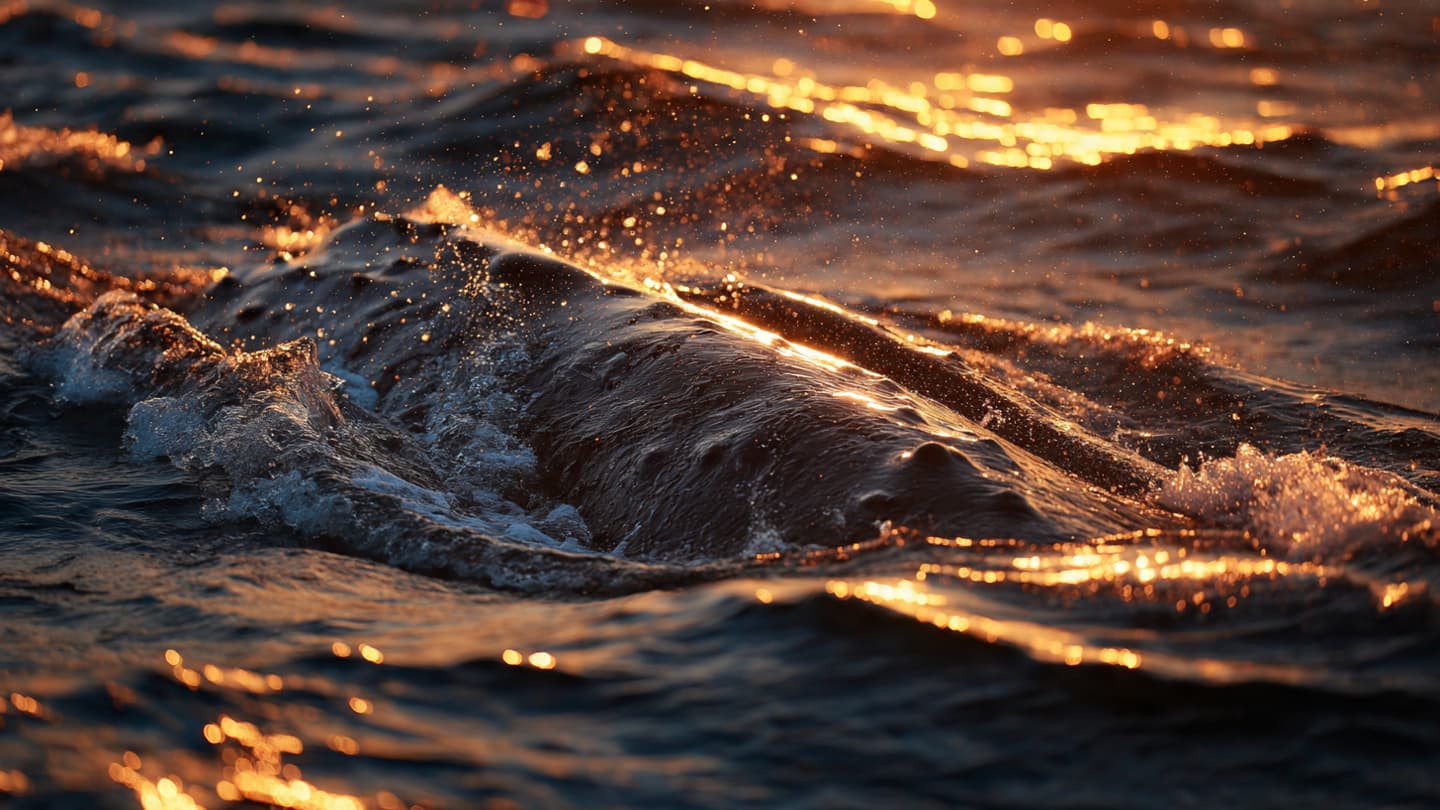
These majestic creatures embody a rhythmic elegance, often gliding just beneath the surface, their dark backs breaking the water in a display of power and grace. Observing a Bryde’s whale is not just a visual spectacle; it serves as a reminder of the intricate connections between urban life and the natural world. The gulf, while a busy maritime corridor, is also a sanctuary where these whales thrive, highlighting the importance of preserving their habitat.
The survival of Bryde’s whales in the Hauraki Gulf reflects broader ecological health. Recent conservation initiatives, such as voluntary ship speed reductions, have been implemented to minimize the risk of vessel strikes, a significant threat to these gentle giants. Marine biologists report that these efforts have contributed to a stable whale population this season, showcasing the positive impact of human intervention in marine conservation.
Moreover, the increase in baitfish activity in the gulf has provided a reliable food source for Bryde’s whales and other marine mammals. This uptick in prey availability is crucial for the whales, as it supports their feeding habits and overall health. The interconnectedness of species within this ecosystem underscores the need for ongoing conservation efforts to maintain the delicate balance of life in the gulf.
As researchers continue to study the acoustic environment of the Hauraki Gulf, new strategies are being developed to reduce noise pollution, which can interfere with the whales' communication and navigation. By prioritizing the acoustic health of the marine environment, scientists aim to ensure that Bryde’s whales can thrive in their natural habitat, free from the disturbances of modern life.
The Hauraki Gulf is not merely a body of water; it is a vibrant ecosystem where the terrestrial and aquatic worlds converge. The presence of Bryde’s whales serves as a poignant reminder of the wildness that exists alongside urban development. As the sun sets over the gulf, casting shimmering reflections on the water, the whales continue their silent journey, embodying the resilience of nature amidst the encroachment of human activity.
In conclusion, the thriving population of Bryde’s whales in the Hauraki Gulf is a hopeful sign of successful conservation efforts and a reminder of the importance of protecting our marine environments. As we witness the beauty of these creatures, we are called to reflect on our role in safeguarding their future and the health of the ecosystems they inhabit.
Published by Banx Network. This article is part of the Banx decentralized media programme, powered by the BXE token on the XRP Ledger.



