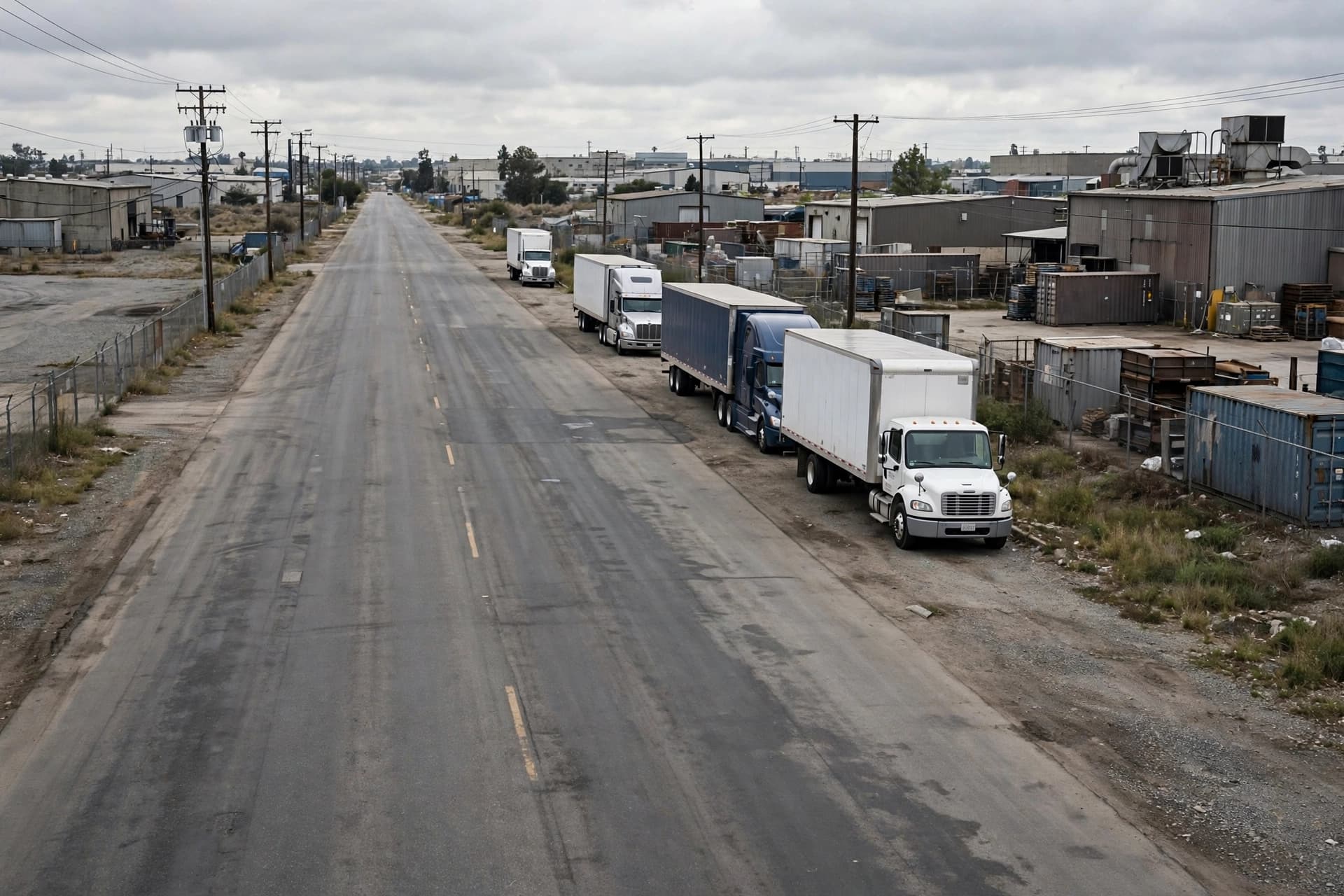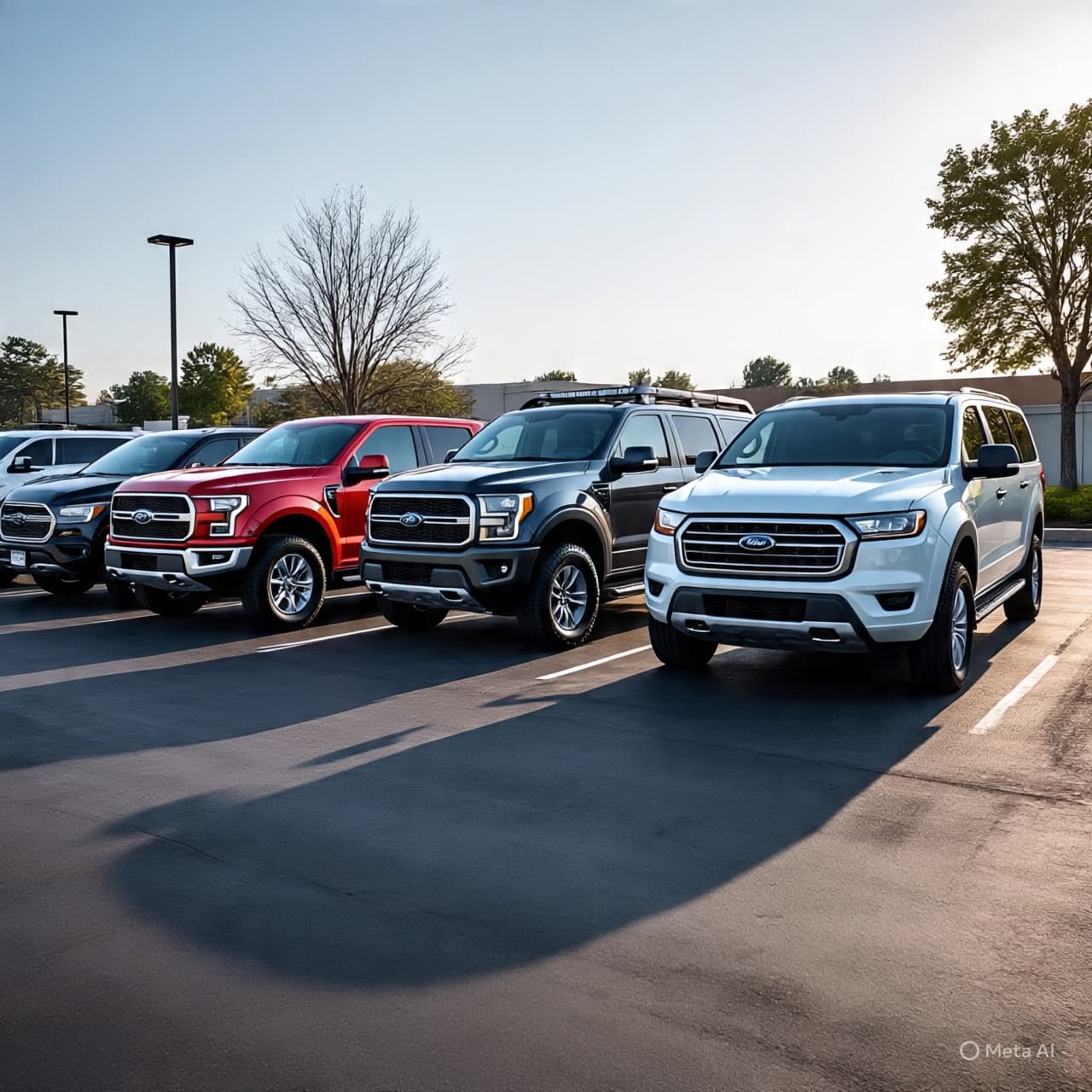
In the quiet geometry of morning highways and the familiar hum of diesel and electric motors, millions of vehicles begin their daily journeys, each a small vessel carrying its driver into work, errands, or distant roads. Yet in that smooth choreography of wheels and asphalt, a hidden irregularity has stirred — a software glitch, as unseen as the wind and almost as hard to predict, prompting *Ford Motor Company* to call back millions of its own machines for correction. It is a moment that gently reminds us of the invisible complexity beneath the surface of everyday motion, where lines of code guide hardware as surely as gravity guides the arc of a turning tire. ([Forbes][1])
This latest recall, among the largest in recent years, touches roughly 4.3 million to 4.4 million vehicles, including some of the most familiar names on U.S. roads: from hearty F-Series pickups like the F-150 and F-250 to versatile SUVs such as *Expedition*, *Maverick*, *Ranger*, *E-Transit* vans, and the *Lincoln Navigator*. Their inclusion in this recall illustrates the breadth of Ford’s modern lineup, vehicles that have become woven into the daily fabric of families, businesses, and travelers alike. ([Road & Track][2])
At the heart of the matter is a software concern within the integrated trailer control module, a component that coordinates how a vehicle communicates with an attached trailer’s lighting and braking systems. Under certain circumstances — typically when a driver starts the vehicle with a trailer connected — this software may lose connection with the trailer, potentially causing the tail lights, turn signals, or even trailer braking function to fail. It’s a scenario that could diminish visibility to other drivers and affect overall control when towing, a safety concern acknowledged by the National Highway Traffic Safety Administration. ([Yahoo! Autos][3])
In practical terms, drivers might notice a sudden message such as *“Trailer Brake Module Fault”* on their instrument cluster, or see turn signals flashing rapidly without proper illumination on a trailer. A separate alert mentioning a *“Blind Spot Assist System fault”* may also occur through the vehicle’s onboard system. These disruptions, while largely informational and prompted by the system’s self-checks, underscore the subtleties of software control in modern vehicles, where digital conversations between components can be as consequential as physical linkages. ([Yahoo! Autos][3])
The recall was triggered after Ford began investigating reports of the issue in late 2025 and recorded over 400 warranty claims connected to the problem. Although the automaker says it is unaware of any accidents, injuries, or fires linked to this glitch, the decision to proceed with a broad recall reflects the weight placed on proactive safety and adherence to federal standards. ([Ars Technica][4])
In some ways, this episode highlights a larger trend in the automotive industry: as vehicles become ever more dependent on software and digital logic, the line between mechanical reliability and code integrity grows finer. What once might have been a concern of brake shoes and wiring harnesses now involves integrated digital modules that talk to multiple systems in real time, a reminder that the modern car is as much software platform as steel machine. ([Forbes][1])
Drivers with vehicles affected by the recall will soon receive notices, and Ford plans to issue an over-the-air software update starting in the coming months. Owners may also choose to bring their vehicles to a Ford or Lincoln dealership to have the update installed free of charge. There is a measure of reassurance in this dual-track approach, offering both remote and in-person solutions to ease disruption. ([Yahoo! Autos][3])
For now, the gentle hum of daily travel continues across highways and byways, with this recall serving as a reminder of the unseen lines of code that quietly coordinate our movements, and of the continuous care manufacturers must take to keep these systems running safely. ([Forbes][1])
AI Image Disclaimer (rotated wording)
*“Graphics are AI-generated and intended for representation, not reality.”*
Sources (credible mainstream news)
• *Forbes*
• *Road & Track*
• *CBS News*
• *Bloomberg*
• *iHeart (Power1009)* ([Forbes][1])
Published by Banx Network. This article is part of the Banx decentralized media programme, powered by the BXE token on the XRP Ledger.