
Key Highlights
- Petty crime is rising in popular tourist destinations, particularly pickpocketing.
- Local authorities struggle to manage crime due to seasonal tourism spikes.
- Tourists can enhance their safety through awareness and precautions.
The allure of island destinations often masks a troubling reality: as millions of tourists flock to these paradises, petty crime, particularly pickpocketing, has surged. This trend not only disrupts the vacation experience but also raises questions about the social costs of mass tourism. With the influx of visitors, opportunistic criminals have found fertile ground to exploit the distractions and vulnerabilities of travelers, transforming carefree vacations into lessons in vigilance.
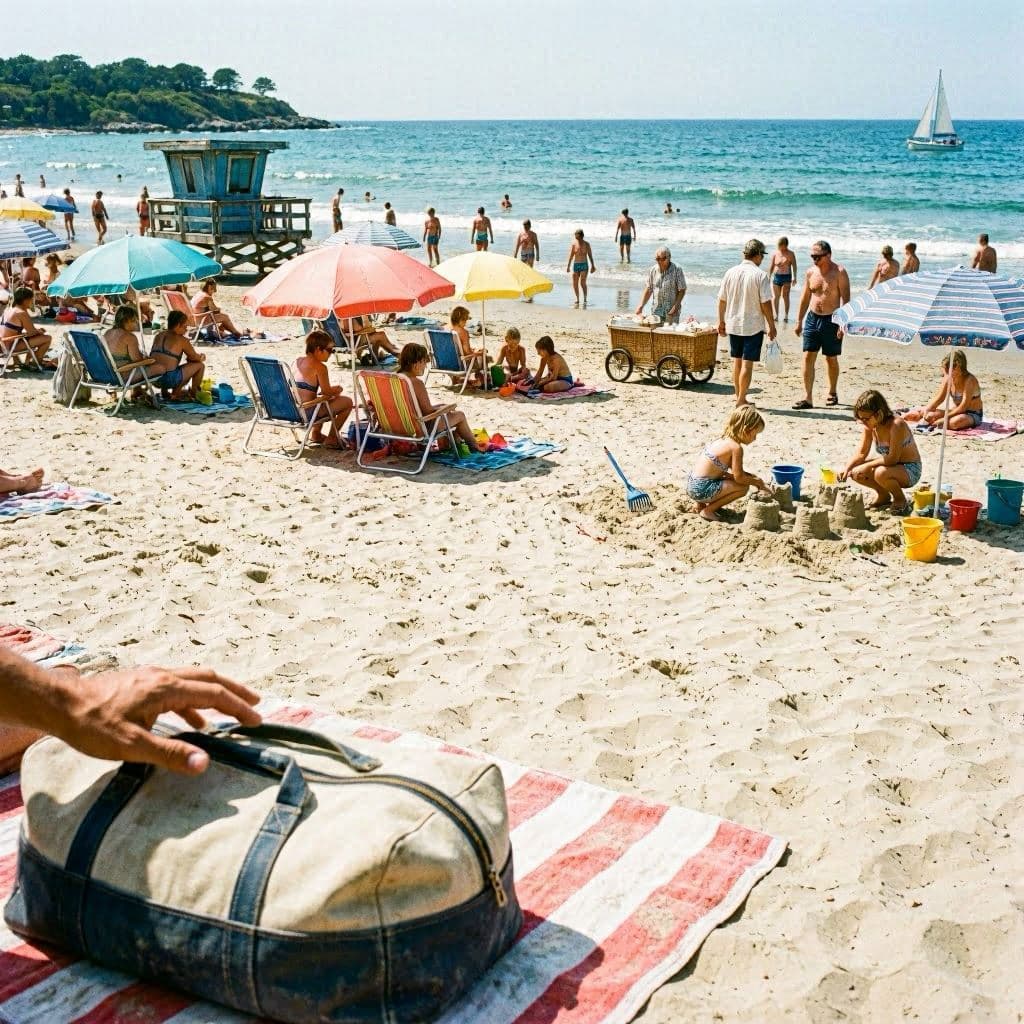
The sheer volume of tourists creates an ideal environment for petty crime. Crowded beaches, bustling markets, and packed public transport provide cover for thieves who operate with increasing sophistication. They often work in teams, creating diversions while one member lifts wallets, phones, or passports from unsuspecting victims. The emotional toll of such thefts can overshadow the financial loss, leaving travelers feeling violated and anxious during their stay.
Local authorities face significant challenges in combating this issue. Policing large, transient populations requires resources that many island communities struggle to muster. The seasonal nature of tourism means that crime spikes during peak months, overwhelming standard law enforcement capacities. While efforts to increase patrols and install surveillance cameras are ongoing, the adaptability of criminal networks often keeps them one step ahead, complicating the fight against petty crime.
The impact on the local economy is twofold. While tourism brings in substantial revenue, high crime rates can tarnish a destination's reputation, leading to a decline in visitor numbers. In the digital age, negative reviews and warnings spread quickly, affecting businesses that rely on tourist spending. Therefore, addressing pickpocketing is not just a matter of public safety but also essential for the economic sustainability of these island communities.
Tourists themselves play a crucial role in their own security. Awareness campaigns encourage visitors to keep valuables secure, avoid displaying wealth, and remain alert in crowded areas. Simple precautions, such as using anti-theft bags and keeping copies of important documents, can significantly reduce the risk of becoming a target. Education is a powerful tool, empowering travelers to enjoy their vacations with greater peace of mind.
Community involvement is also vital. Local residents and business owners often serve as the first line of defense, looking out for suspicious behavior and assisting victims. Building a culture of hospitality that includes safety fosters a more welcoming environment. When locals feel empowered to protect their community, the overall sense of security improves for everyone.
Technological solutions are being explored, such as apps that alert users to high-risk areas or connect them with local assistance. However, technology cannot replace human vigilance and community cohesion. The most effective strategies combine technological aids with strong social networks and proactive policing. A holistic approach that addresses the root causes of vulnerability is essential for long-term solutions.
The phenomenon of brazen pickpocketing in tourist hubs is a global issue, not limited to one island. It reflects broader social inequalities and the pressures of mass migration and economic disparity. Addressing it requires not just law enforcement but also social programs that provide alternatives to crime. Until then, vigilance remains the best defense for those seeking paradise.
Pickpocketing remains a significant problem in popular island tourist destinations, exploiting the vulnerability of millions of visitors. Authorities and communities are working to enhance safety through increased policing and public awareness. Tourists are urged to remain vigilant to protect their belongings and enjoy their travels safely.
Published by Banx Network. This article is part of the Banx decentralized media programme, powered by the BXE token on the XRP Ledger.



