
The capital’s architectural landscape is a testament to the pursuit of modernity and community, where new housing developments rise alongside historic avenues to accommodate the growing life of the city center. In these contemporary complexes, designed with shared courtyards, playgrounds, and glass-paneled lobbies, the environment is engineered to foster a sense of collective security and shared aspiration. It is a world where young families and working professionals gather, creating small enclaves of quiet stability within the larger, bustling metropolis.
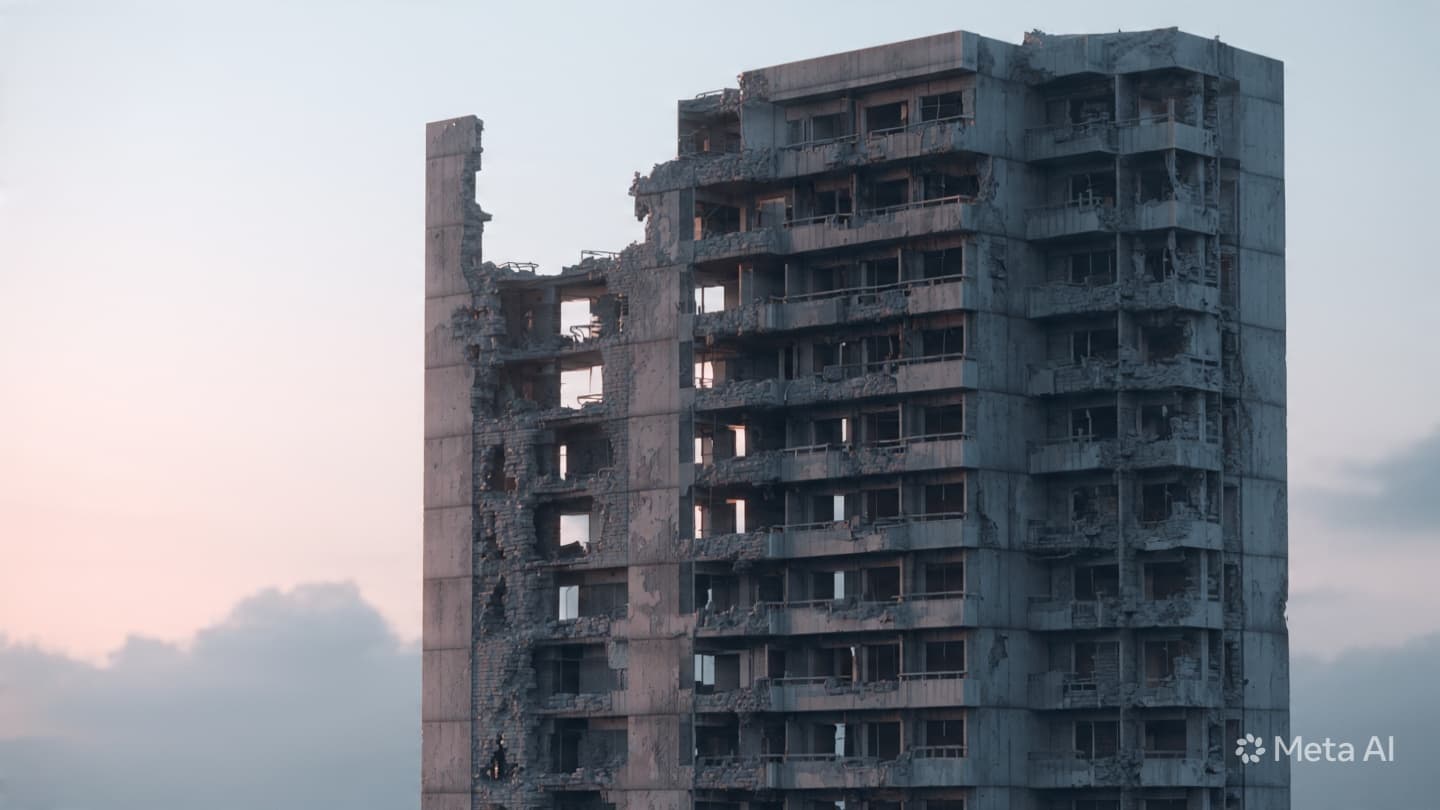
Yet, that structural optimism is violently shattered when a direct missile strike pierces the domestic sanctuary, leaving a canyon of broken concrete and exposed iron where a vibrant residential wing once stood. The impact that dismantled a portion of a prominent Kyiv housing development created an immediate, profound void that altered the entire geometry of the neighborhood. For several days, the site became the focal point of an intense, suspended gravity as the community watched the recovery teams begin their grim work.
The work of the extraction crews moves with a slow, agonizing precision that speaks to the immense weight of the structural ruins they must navigate. Heavy cranes lift fractured slabs of masonry into the chill morning air, their mechanical groans puncturing a silence that is heavy with the collective grief of the watching neighbors. Beneath the concrete, rescue workers use specialized equipment and their bare hands to sift through the smaller fragments, searching for the victims of the midnight strike.
To look upon the exposed interiors of the ruined apartments—where a colorful kitchen cabinet, a bookshelf, or a light fixture still clings to a remaining wall—is to gaze directly into a private world violently turned inside out. These open-air rooms serve as a poignant, silent witness to the suddenness of the destruction, a reminder of the fragile line that separates the sanctuary of home from immediate desolation. The tragedy is measured not in the volume of debris removed, but in the empty spaces left in the lives of the survivors.
The personnel of the state emergency services, their uniforms caked with the white dust of pulverized plaster, move through the final phases of their deployment with an unhurried, somber determination. They gather personal effects, log the locations of the recoveries, and coordinate with medical examiners, performing their duties with a quiet reverence that honors the solemnity of the losses. It is an exhausting, emotionally heavy labor that unfolds far from the strategic debates of military analysts.
The administrative response to such a disaster involves a delicate, complex coordination between municipal welfare bodies, structural engineers, and legal authorities tasked with documenting the strike. The process of supporting the displaced families and assessing the safety of the remaining apartment blocks moves forward with a quiet, bureaucratic momentum, translating a scene of immense human suffering into the formal records of regional recovery. Yet, beneath the paperwork, the emotional shadow remains stubbornly attached to the location.
As dusk settled over the capital district, the heavy machinery finally fell silent, marking the formal conclusion of the extraction phase at the housing development. A small crowd gathered along the security perimeter, placing small candles and bouquets of flowers near the base of the ruined structure, their flickering lights providing a soft, human contrast to the jagged edges of the broken stone.
State emergency management officials announced that recovery teams have successfully retrieved the victims from the rubble of the Kyiv housing development destroyed by a recent missile strike. Authorities confirmed that a thorough clearance of the collapsed residential sections has been completed, allowing structural engineers to begin the critical work of stabilizing the remaining buildings while social services coordinate long-term aid for the affected residents.
Published by Banx Network. This article is part of the Banx decentralized media programme, powered by the BXE token on the XRP Ledger.
.jpg&w=3840&q=75 "Convicted War Criminal Ratko Mladić to Be Buried With Full State Honors")

