
Key Highlights
- Recovery teams in Kyiv conclude extraction efforts after missile strike.
- Community mourns victims as recovery operations reveal devastation.
- Authorities coordinate aid for displaced families and structural assessments.
In the heart of Kyiv, the architectural landscape reflects a blend of modernity and community spirit, where new housing developments rise alongside historic avenues. These contemporary complexes, designed with shared spaces and amenities, foster a sense of collective security. However, this optimism was violently disrupted by a recent missile strike that devastated a prominent residential area, leaving a stark reminder of the fragility of safety in a conflict zone.
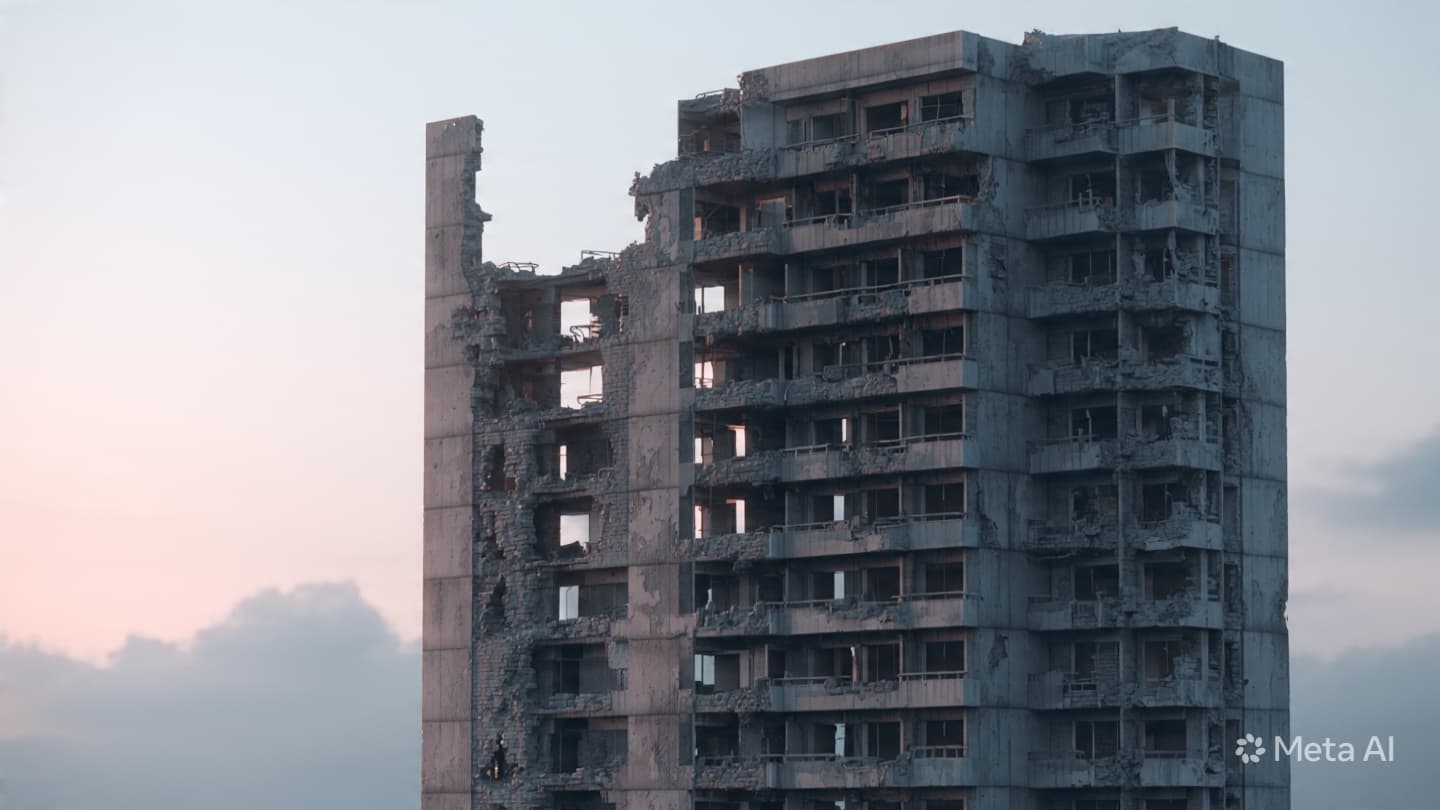
The missile strike created a profound void in the neighborhood, transforming a vibrant community space into a scene of destruction. For days, the site became a focal point of grief as recovery teams worked tirelessly to sift through the debris. Heavy cranes lifted shattered concrete, their mechanical sounds echoing the collective sorrow of the onlookers. Rescue workers, equipped with specialized tools and their bare hands, meticulously searched for victims beneath the rubble, embodying the somber reality of their task.
As the extraction crews navigated the ruins, they encountered remnants of lives abruptly interrupted. Open interiors of the destroyed apartments revealed personal belongings, serving as haunting reminders of the lives once lived there. The emotional weight of the scene was palpable, as the community grappled with the loss of their neighbors and friends. The tragedy was not merely in the physical destruction but in the empty spaces left behind in the lives of the survivors.
The personnel from the state emergency services approached their work with a quiet reverence, gathering personal effects and documenting their findings with care. Their efforts extended beyond the physical recovery; they were also tasked with honoring the memories of those lost. This labor unfolded far from the strategic discussions of military analysts, focusing instead on the human impact of the disaster.
In the aftermath, the administrative response involved a complex coordination between various municipal bodies, structural engineers, and legal authorities. As they assessed the safety of the remaining buildings and began the process of supporting displaced families, the emotional toll of the event lingered. The bureaucratic machinery moved forward, but the human suffering remained a stark reality.
As dusk fell over the capital, the heavy machinery finally ceased operations, marking the end of the extraction phase. A small crowd gathered at the site, lighting candles and leaving flowers as a tribute to the victims. Their flickering lights contrasted with the jagged remnants of the building, symbolizing hope amidst despair.
State emergency management officials confirmed that recovery teams had successfully retrieved all victims from the rubble. With the clearance of the collapsed sections complete, structural engineers can now begin stabilizing the remaining buildings. Meanwhile, social services are coordinating long-term aid for the affected residents, ensuring that the community can begin to heal from this tragic event.
Published by Banx Network. This article is part of the Banx decentralized media programme, powered by the BXE token on the XRP Ledger.



