
Key Highlights
- Fuel prices in North America have reached historic highs, with some areas reporting costs of eight dollars per gallon.
- Economic analysts attribute the surge to international supply constraints and increased seasonal demand.
- The rising costs are significantly affecting consumer spending habits and the logistics sector.
The open road has long symbolized freedom and adventure, but for many North Americans, that sense of liberation is now overshadowed by soaring fuel prices. With some regions reporting costs as high as eight dollars per gallon, the act of filling up has transformed from a routine chore into a moment of reflection on the economic pressures facing everyday life.
This dramatic increase in fuel prices is not merely a statistical anomaly; it represents a significant shift in how individuals navigate their daily routines. For countless people, a car is not just a mode of transportation but a vital connection to work, education, and essential services. As fuel costs rise, the distance between home and necessity feels increasingly daunting, prompting many to reconsider their travel habits.
The impact of these rising prices is evident in the thinning traffic on weekends and the heightened anxiety surrounding daily commutes. What was once a spontaneous journey now requires careful planning and budgeting. Families are opting to stay home more often, carpooling to save on costs, and re-evaluating their weekly schedules to minimize fuel consumption. This subtle yet profound change in behavior reflects a broader economic reality that is forcing individuals to adapt.
The irony of our reliance on fossil fuels is not lost on many. As global markets fluctuate, the price at the pump serves as a stark reminder of our vulnerability to external forces. A disruption in oil supply can reverberate through the economy, affecting everything from grocery prices to home repairs. The interconnectedness of our modern world becomes painfully clear when the cost of fuel begins to rise, impacting the most basic aspects of daily life.
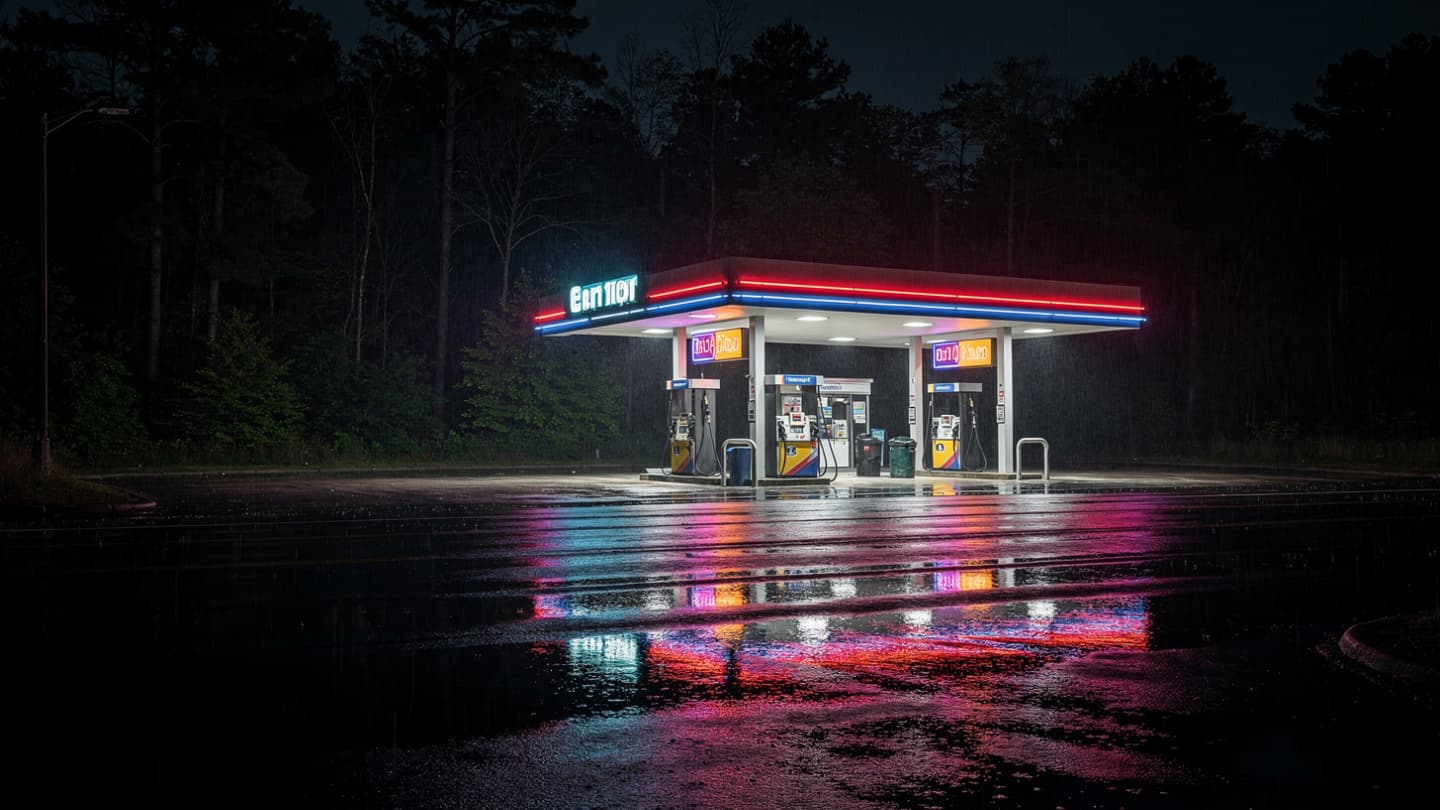
Gas stations have become informal gathering spots where patrons share knowing glances as they witness the rising totals on their pumps. There is often no anger, just a weary acceptance of the situation. The experience of filling up has become a collective moment of contemplation, as individuals ponder their next financial moves in light of these escalating costs.
For small business owners and long-haul drivers, the implications of rising fuel prices are particularly severe. The thin margins that define many delivery routes and service calls can be easily eroded by increased fuel costs, posing an existential threat to their livelihoods. This ripple effect extends throughout the economy, influencing the prices of goods and services across various sectors.
In the face of these challenges, a shift in perspective is emerging. Many are beginning to appreciate the value of local resources and are finding joy in exploring their communities on foot or by bicycle. The current fuel crisis is prompting a newfound mindfulness about energy consumption, encouraging individuals to recognize the finite nature of this precious resource.
While it is likely that fuel prices will eventually stabilize, the lessons learned during this period of high costs will linger. The experience serves as a reminder of the fragility of our economic systems and the resilience of the human spirit. As we continue to navigate the roads ahead, we may do so with a deeper understanding of the true costs associated with our journeys.
Published by Banx Network. This article is part of the Banx decentralized media programme, powered by the BXE token on the XRP Ledger.



