The residential blocks of the Gaza Strip represent a dense, interconnected tapestry of family life, where multi-story apartment complexes shelter generations within tightly packed urban neighborhoods. In these modest living spaces, daily existence is organized around the essential tasks of survival and community—the preparation of meals in small kitchens, the laughter of children playing in narrow corridors, and the shared comfort of family gathered in the evening. It is a world where safety is understood as the warmth of an interior room, insulated from the shifting anxieties of the external world.
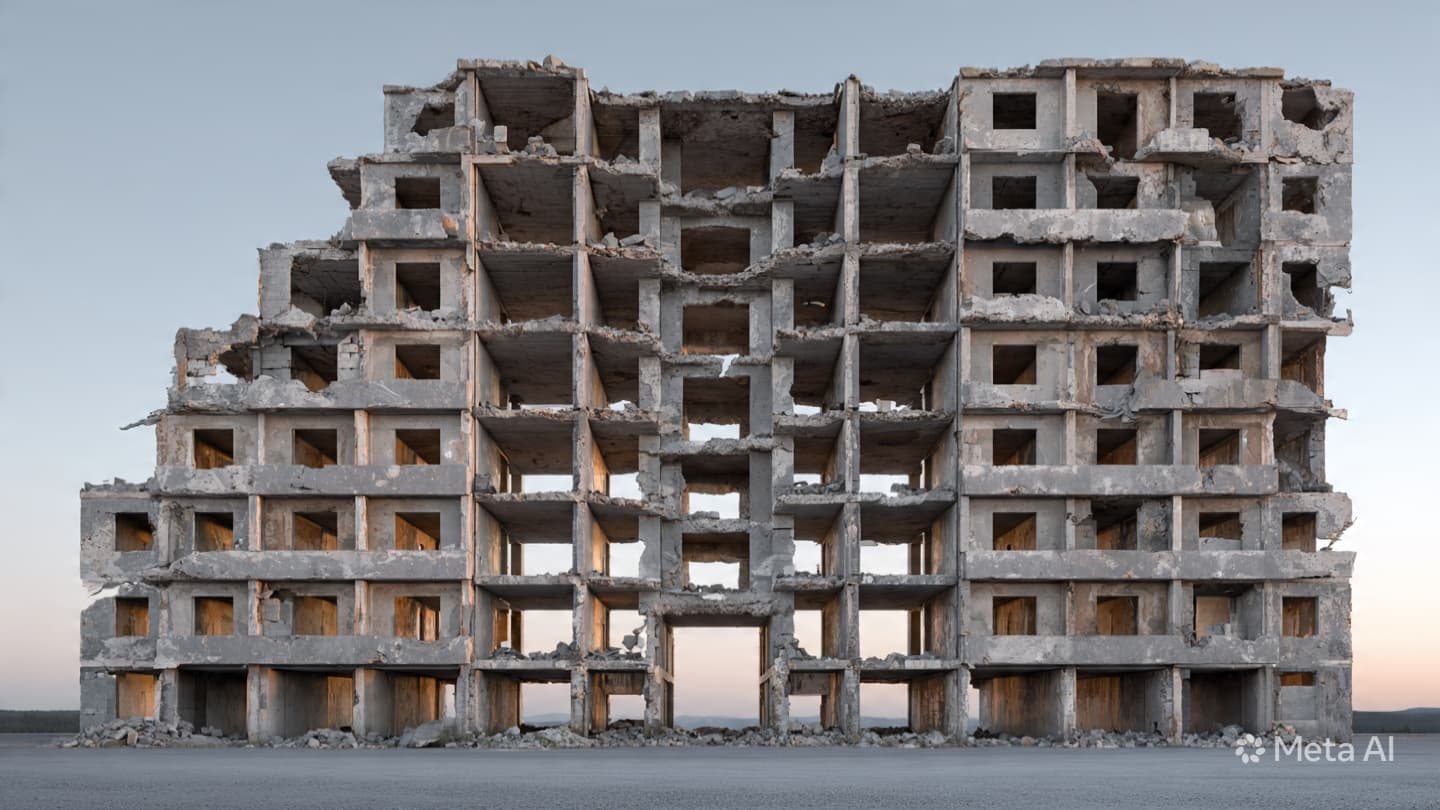
Yet, that domestic sanctuary is violently dismantled when a sudden strike cuts through the quiet of an ordinary hour, rendering the familiar home unfamiliar in a fraction of a second. On a recent evening, the fragile peace of a local apartment development was shattered by a direct impact that tore through the concrete structure with an indiscriminate, heavy fury. In an instant, the ordinary space of a family home was collapsed into a scene of concentrated tragedy, leaving a profound, suffocating sorrow hanging over the entire neighborhood.
The aftermath of a localized residential strike carries a specific, devastating clarity that focuses entirely on the immediate human cost of the violence. As regional medical teams rushed to the site under the fading glow of emergency flares, they discovered a scene where the boundaries of the household had been completely erased. Among the victims pulled from the pulverized brickwork and twisted metal were women and children, their sudden loss writing a tragic, permanent void into the fabric of the community.
To contemplate such an occurrence is to confront the deeply distressing reality of modern urban warfare, where the lines between combat zones and civilian spaces are frequently dissolved with catastrophic consequences. The death of a child or a mother represents an absolute, irreplaceable loss—a voice that will no longer echo in the courtyard, a chair that will remain permanently empty at the table. These individual tragedies combine to create a collective narrative of exposure that touches every family in the block.
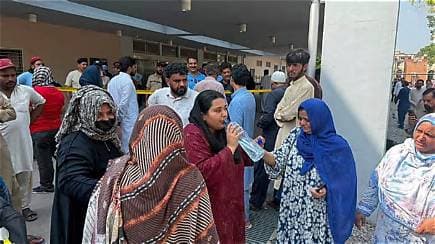
The work within the regional medical facilities to which the casualties were transported moves with a frantic, somber intensity that speaks to the deep experience of local doctors and nurses. In these crowded, brightly lit wards, the strategic arguments that dominate international airwaves are entirely absent, replaced by the clinical focus of treating blast injuries and comforting those in deep shock. It is a quiet, vital labor performed by personnel who must confront the rawest margins of human suffering on a daily basis.
The administrative processing of the incident follows a grim, familiar protocol as local authorities log the names of the deceased, coordinate emergency shelter for the surviving residents, and assess the structural safety of the adjacent properties. This information is carefully distilled into the brief language of hospital and administrative briefings, translating an immense personal ordeal into the formal records of regional history. Yet, beneath the official tallies, the emotional weight remains deeply attached to the ruined rooms.
As the morning sun rose over the city, casting its light upon the exposed interiors of the apartment—where a colorful curtain or a child's toy still clung to a remaining wall—a small group of neighbors gathered near the perimeter, their movements quiet and deliberate as they began the slow task of clearing away the debris.
Regional medical officials formally confirmed that a strike on a Gaza residential apartment resulted in multiple civilian fatalities, with women and children identified among the dead. Emergency management teams completed their extraction operations in the affected sector, while local hospital registries logged several additional injuries requiring immediate surgical intervention following the structural collapse.
Published by Banx Network. This article is part of the Banx decentralized media programme, powered by the BXE token on the XRP Ledger.