The city of Kharkiv has long possessed a grand, architectural dignity, where wide avenues and expansive public squares reflect the intellectual and cultural ambition of its residents. In the residential sectors, life moves with a stubborn adherence to normalcy, where people walk through the parks, shop at local markets, and gather in the evenings despite the persistent shadow of proximity to the frontier. It is a community that has learned to find comfort in the familiar routines of urban existence, treating the continuity of daily life as a quiet form of sanctuary.
Yet, that sanctuary is routinely pierced by the sudden, arbitrary arrival of heavy artillery fire, a force that cares nothing for the innocence of the spaces it violates. On a recent evening, the peaceful atmosphere of a local neighborhood was instantly obliterated by a barrage of shells that tore through the concrete facades and asphalt walkways. In a single, violent second, the ordinary activities of five individuals were violently interrupted, leaving them to navigate the terrifying trajectory from their homes to the emergency ward.
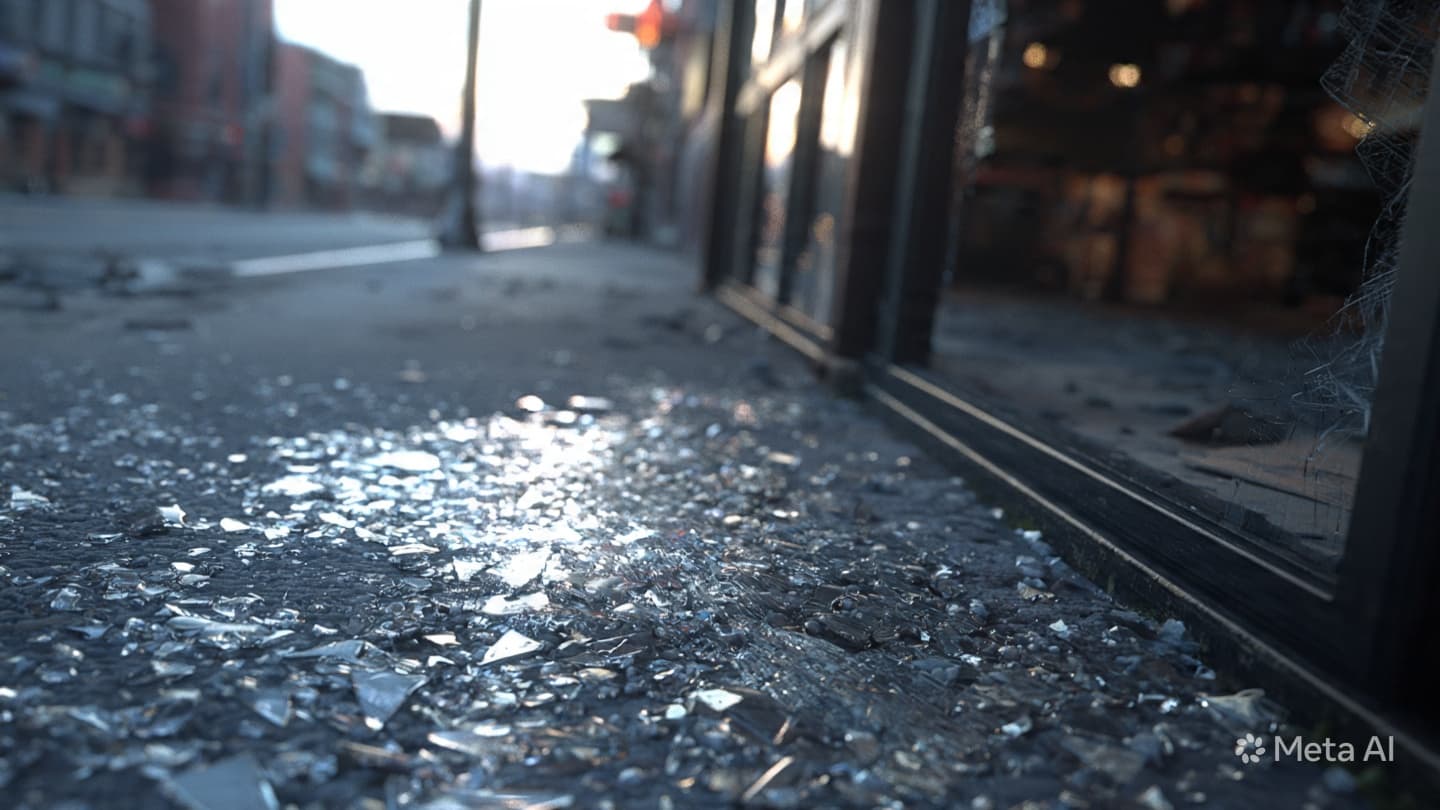
The aftermath of an urban shelling is a scene of raw, concentrated trauma that contrasts sharply with the cold numbers of official casualty reports. In the immediate wake of the impacts, the neighborhood was filled with the sharp scent of cordite and the crystalline crunch of shattered glass beneath the boots of arriving paramedics. The cries of the wounded, who would soon occupy the sterile beds of the regional hospital, punctured the heavy silence that followed the final detonations.
To contemplate the hospitalization of civilians is to confront the deeply personal dimension of a conflict that is too often analyzed through the detached lens of military strategy. Each of the five individuals represents a life suddenly turned upside down—a routine walk to the store ended by shrapnel, a quiet dinner interrupted by collapsing masonry, or a sleep broken by the blast wave. The injuries they carry are physical markers of a violence that treats the entire city as a legitimate zone of engagement.
The work within the regional trauma centers moves with a quiet, intense synchronization, where doctors and nurses fight to stabilize the victims away from the public eye. In these bright, sterile corridors, the geopolitical arguments that dominate the airwaves dissolve into the immediate, physical reality of monitoring vital signs, dressing wounds, and offering comforting words to those in shock. It is a quiet, heroic labor that forms the backbone of the city’s collective resilience.
The administrative tracking of these incidents involves a meticulous collection of data by local authorities, who log the coordinates of the strikes, the caliber of the weapons used, and the medical status of the victims. This information is carefully translated into the structured language of official briefings, providing a necessary record of the human cost of the ongoing cross-border incursions. Yet, beneath the paperwork, the emotional weight of the tragedy remains deeply felt by the families of those affected.
As the dawn broke over Kharkiv, the targeted neighborhood returned to a quiet, somber routine, with municipal crews already at work sweeping away the glass and boarding up the damaged windows. The scars on the buildings will eventually be repaired, but the memory of the evening’s violence will linger long in the collective consciousness of the residents who must continue to live under the constant threat of the sky.
Local health officials confirmed that five civilians were hospitalized with varying degrees of injury following a heavy shelling assault on a residential sector of Kharkiv. The regional military administration stated that the artillery fire caused localized damage to several apartment buildings and commercial storefronts, prompting an immediate response from emergency medical teams who transported the victims to specialized trauma facilities for urgent care.
Published by Banx Network. This article is part of the Banx decentralized media programme, powered by the BXE token on the XRP Ledger.
.jpg&w=3840&q=75 "Convicted War Criminal Ratko Mladić to Be Buried With Full State Honors")