

Key Highlights
- Incident:A deadly attack in Zamfara State, Nigeria, resulted in the deaths of at least 17 farmers.
- Context:The region has faced ongoing violence and insecurity, disrupting agricultural activities.
- Economic Impact:Agriculture is crucial for local livelihoods, and violence threatens food security.
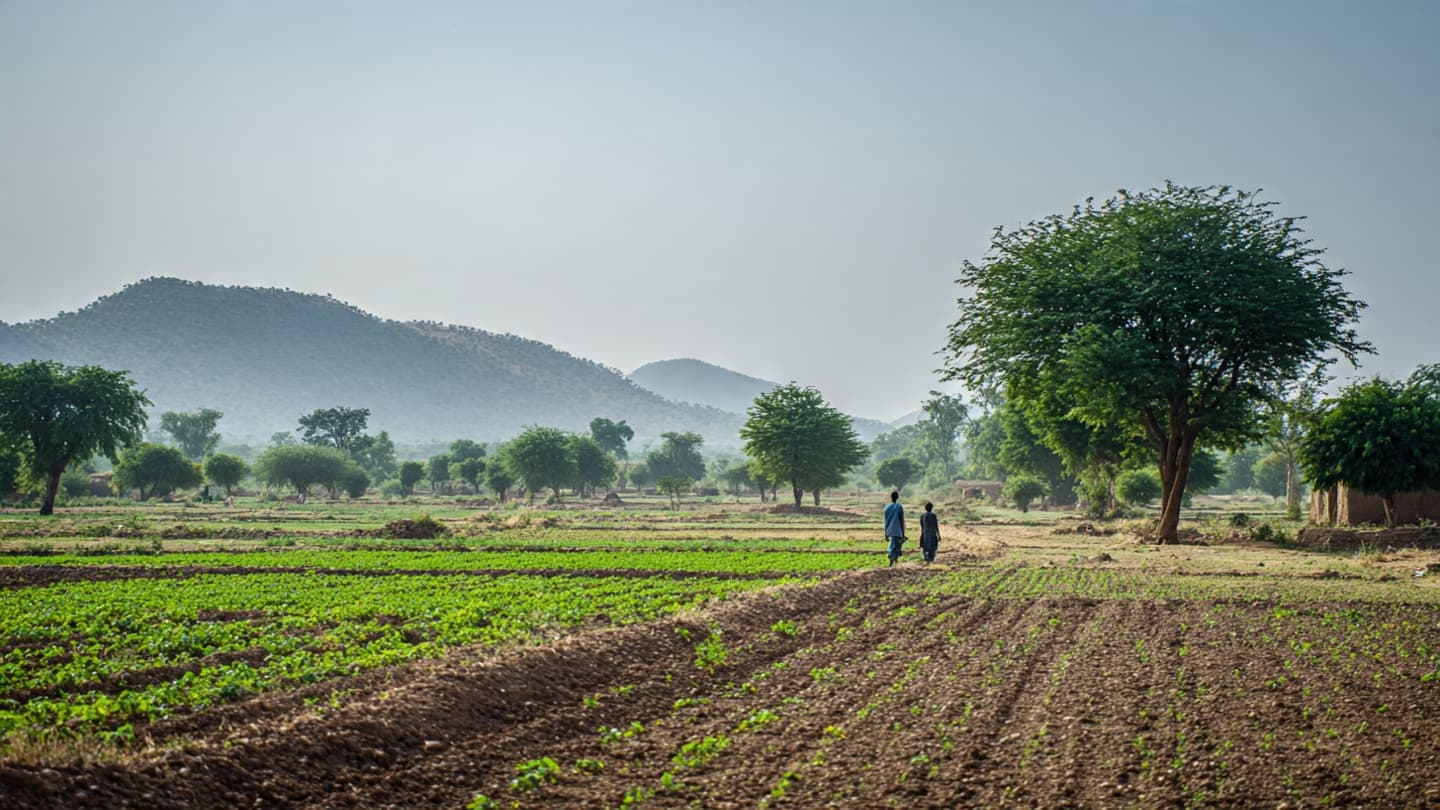
In many rural regions, farmland is more than a source of livelihood; it is a place where seasons are measured not by calendars but by harvests. In northwestern Nigeria, however, that familiar rhythm has once again been interrupted by violence, reminding communities how fragile stability can become when insecurity lingers over everyday life.
A recent attack in Zamfara State left at least 17 farmers dead and several others injured, according to reports from local authorities and international media. The incident occurred in an area that has long faced security challenges linked to armed groups operating across rural districts. The victims were reportedly working in agricultural areas when the attack unfolded, highlighting the vulnerability of those who depend on farming for their survival.
Emergency responders and local officials confirmed the casualties, and efforts were launched to assist survivors and affected families. Zamfara has remained one of the regions most affected by armed violence in recent years, with communities facing repeated attacks, kidnappings, and disruptions that have severely impacted both daily life and economic activity.
Agriculture remains a vital pillar of the local economy. For many residents, farming is not simply a means of employment but the foundation of household income and food security. When violence reaches agricultural land, its effects often extend beyond immediate casualties, threatening the very fabric of rural life and exacerbating food insecurity in an already vulnerable region.
Security agencies have continued operations aimed at reducing the activities of armed groups. Authorities have emphasized the need for stronger coordination between regional and national institutions to improve protection for rural communities. However, the latest incident has renewed discussions about long-term solutions to insecurity in northern Nigeria. Analysts note that challenges involving governance, economic opportunity, and local security structures are often interconnected, complicating efforts to restore stability.
Humanitarian organizations continue to monitor conditions in affected areas, raising concerns regarding displacement, access to farmland, and the broader impact on food production within vulnerable communities. As investigations continue, attention remains focused on supporting survivors and restoring confidence among residents. For many families, the path forward will involve rebuilding not only damaged livelihoods but also a sense of safety that has too often been interrupted by recurring violence.
The situation in Zamfara State serves as a stark reminder of the ongoing challenges faced by farmers in Nigeria, where the intersection of violence and agriculture poses significant risks to food security and community resilience.
Published by Banx Network. This article is part of the Banx decentralized media programme, powered by the BXE token on the XRP Ledger.




