

Key Highlights
- Cats often leave food in their bowls, puzzling many owners.
- This behavior reflects deep-rooted instincts from their wild ancestors.
- Environmental factors and stress can influence their eating habits.
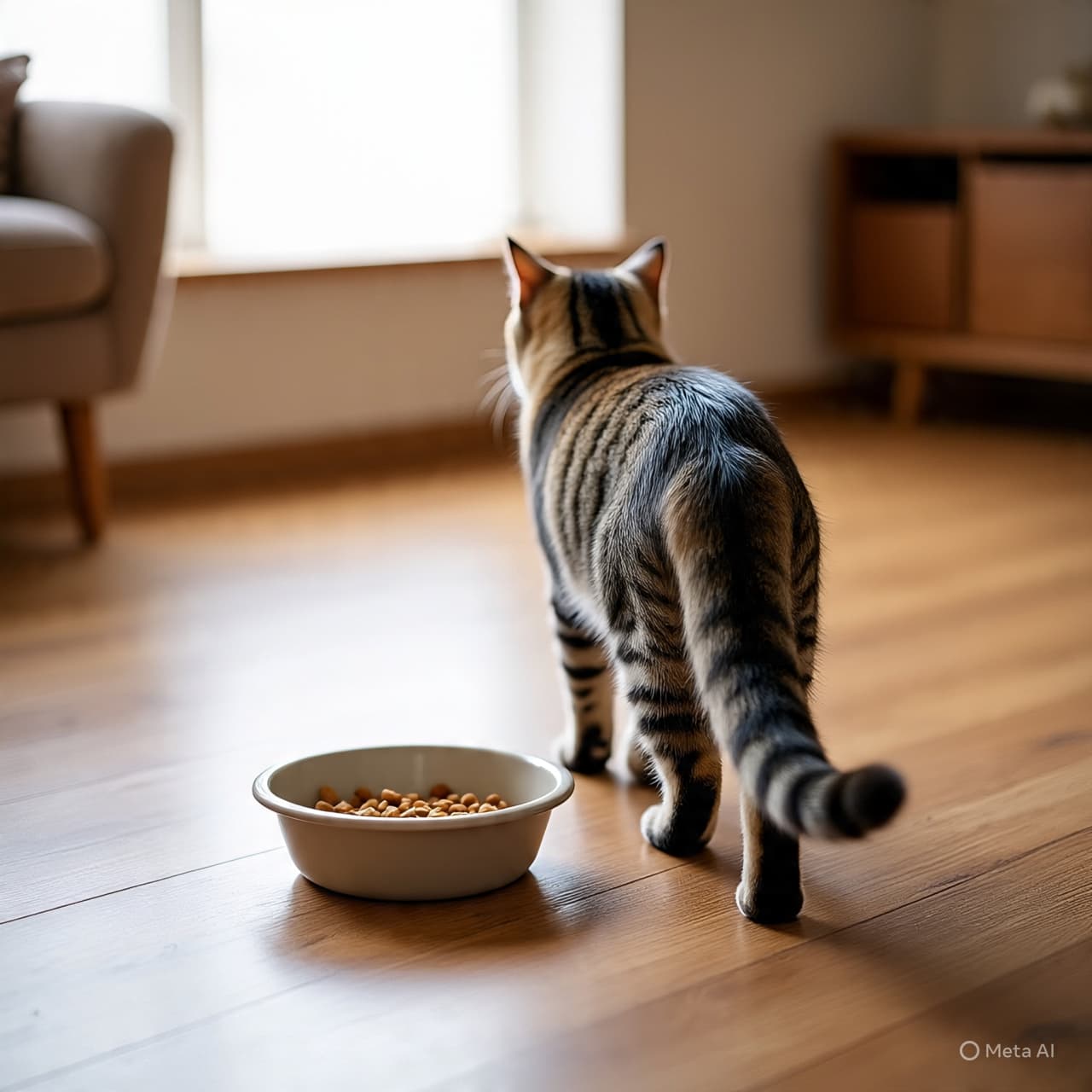
Understanding why cats leave food in their bowls is a common concern among pet owners. This behavior, often perceived as pickiness, may actually stem from instinctual traits inherited from their wild ancestors. Recent studies have shed light on this phenomenon, revealing that it is not merely a sign of disinterest but rather a complex interplay of instinct and environmental factors.
In the wild, cats are natural hunters, and their feeding habits are adapted to ensure survival. Unlike dogs, which tend to consume large portions in one sitting, cats are more inclined to eat smaller amounts throughout the day. This behavior is a reflection of their evolutionary history, where consuming everything at once could attract predators. By leaving food behind, cats can return later to finish their meal, minimizing the risk of exposure to danger.
Moreover, the concept of “prey-sized meals” plays a significant role in understanding feline eating habits. Cats are wired to hunt and consume small prey, which aligns with their instinctual behavior. A full bowl of food may not resonate with their natural inclinations, leading to partial consumption. This instinctual behavior is further complicated by their heightened sensitivity to environmental changes. Cats are known for their acute awareness of their surroundings, and factors such as noise, movement, or even changes in the household can disrupt their feeding patterns.
Scent is another critical factor influencing a cat's eating habits. Cats rely heavily on their sense of smell, and food that has been exposed to air may lose its appeal quickly. Even slight changes in odor can signal to a cat that the meal is no longer optimal, prompting them to leave food behind. This behavior can be particularly noticeable if the food has been sitting out for an extended period.
Stress and routine disruptions can also amplify this behavior. Changes in household dynamics, feeding schedules, or even the placement of the food bowl can significantly influence how much a cat chooses to eat at once. Veterinarians emphasize that while leaving food in the bowl is generally normal, sudden or extreme changes in eating patterns should be monitored closely. Such changes may indicate underlying health issues that require veterinary attention.
Understanding this behavior offers a new perspective for cat owners. What may seem like pickiness is often a reflection of ancient survival strategies that continue to influence domestic cats today. By recognizing these instincts, pet owners can better cater to their feline friends' needs and ensure their well-being.
In conclusion, the unfinished bowl is not merely a mystery but a reminder of the wild instincts that persist in our domestic companions. By understanding the reasons behind this behavior, cat owners can foster a more supportive environment for their pets, ensuring their health and happiness.
Published by Banx Network. This article is part of the Banx decentralized media programme, powered by the BXE token on the XRP Ledger.




