
Key Highlights
- Endangered Status:Emperor penguins and Antarctic fur seals are now officially recognized as endangered species.
- Climate Impact:The warming climate is threatening the ice habitats crucial for their survival.
- Conservation Urgency:Researchers are working tirelessly to document changes and advocate for protective measures.
The Southern Ocean, a vast and remote expanse, is home to some of the most iconic wildlife on the planet, including the Emperor penguin and the Antarctic fur seal. Recently, both species have been officially classified as endangered, a development that underscores the urgent need for conservation efforts in this fragile ecosystem. The recognition of their endangered status serves as a stark reminder of the profound impact of climate change on even the most isolated regions of the Earth.
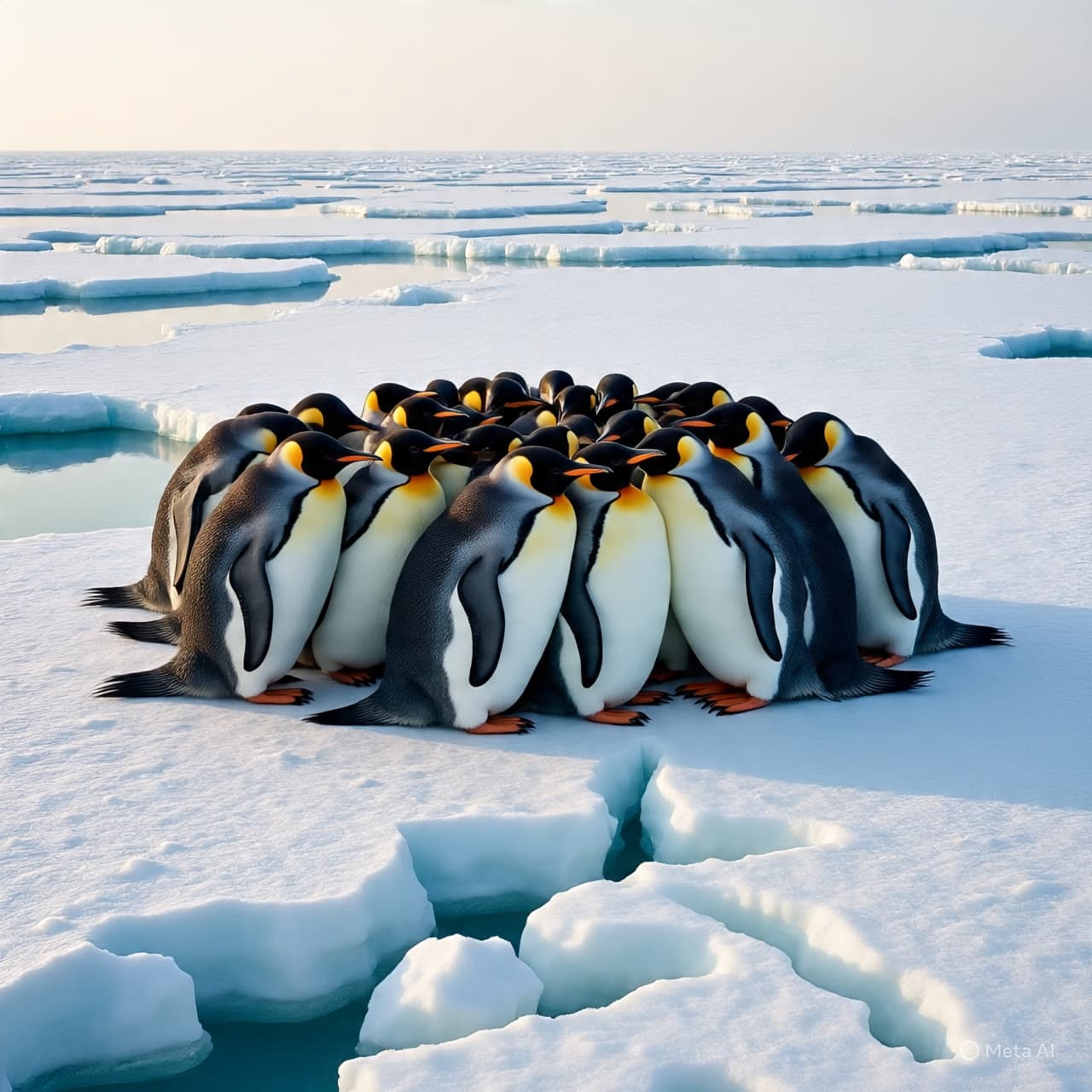
Emperor penguins, known for their remarkable adaptability, thrive in the harsh conditions of the Antarctic. Their breeding and survival depend heavily on stable ice conditions, which are increasingly threatened by rising global temperatures. As the ice melts and becomes less reliable, the future of these majestic birds hangs in the balance. The decline in their population is not merely a statistic; it represents a significant loss in biodiversity and a warning signal about the health of our planet.
In contrast, the Antarctic fur seals, once a common sight along the rocky shores of the southern islands, are also facing dire challenges. Their playful nature and acrobatic skills have long captivated observers, but as the ocean's thermal baseline shifts, their food sources are becoming scarce. This disruption forces these seals into a struggle for survival, highlighting the interconnectedness of marine ecosystems and the impact of climate change on wildlife.
The loss of biodiversity in the Southern Ocean is accompanied by a heavy silence, a reminder that each species that disappears diminishes the vibrancy of our planet. Conservationists and researchers are acutely aware of this reality. They navigate the icy terrain with a sense of urgency, documenting the changes and advocating for measures to mitigate the effects of climate change. Their work is not just a job; it is a passionate commitment to preserving the delicate balance of life in one of the most unforgiving environments on Earth.
The Southern Ocean plays a critical role in regulating the Earth's climate, acting as a thermal buffer that influences weather patterns globally. The decline of species like the Emperor penguin and the Antarctic fur seal serves as a barometer for the overall health of this vital ecosystem. Their struggles reflect broader environmental issues, reminding us that the fate of these animals is intertwined with our own.
As we reflect on the plight of these remarkable creatures, it is essential to shift our perspective from the abstract to the personal. We must consider our responsibility to protect the habitats that sustain them. The ice of the Southern Ocean is not just a distant landscape; it is a crucial part of our global heritage that we are failing to safeguard. The stories of the Emperor penguin and the fur seal are urgent calls to action, urging us to renew our commitment to conservation.
As the Antarctic night descends, the survival of these species remains uncertain. However, there is still hope in the resilience of nature and the dedication of those who strive to protect it. Every effort to combat climate change is a step toward ensuring that the Southern Ocean continues to be home to these magnificent creatures. We owe it to ourselves and to the planet to ensure that the silence of the south does not become absolute.
Ultimately, the narrative of the Emperor penguin and the Antarctic fur seal is one of beauty under pressure, a testament to survival in a rapidly changing world. As we witness the ongoing transformations in their environment, we must remain vigilant and proactive in our efforts to preserve the rich biodiversity of the Southern Ocean.
Published by Banx Network. This article is part of the Banx decentralized media programme, powered by the BXE token on the XRP Ledger.



